
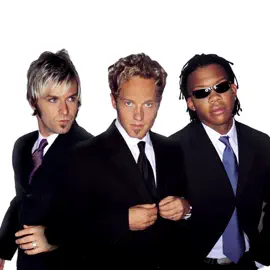
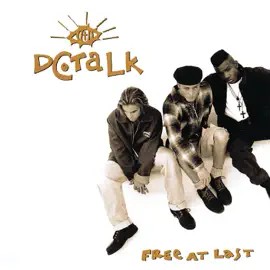
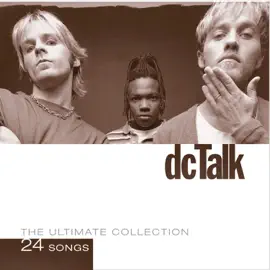
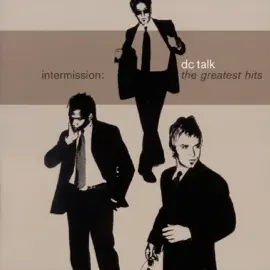
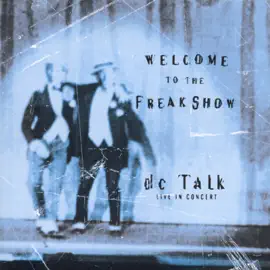
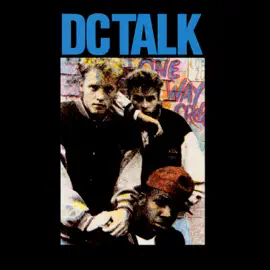
Few artists have left a more lasting mark on contemporary Christian music than dc Talk. Formed at Liberty University in the late 1980s by Toby McKeehan (tobyMac), Michael Tait, and Kevin Max, the trio helped bring hip-hop, rap, R&B, and eventually alternative rock into a Christian music landscape that was still largely dominated by traditional pop and rock sounds. Their willingness to experiment musically while remaining unapologetically Christian made them one of the defining groups of the 1990s.
From their early albums dc Talk, Nu Thang, and Free at Last to the groundbreaking Jesus Freak and Supernatural, dc Talk continually challenged expectations of what Christian music could sound like. Their music could be energetic, thoughtful, provocative, and deeply rooted in faith, often addressing questions of identity, culture, discipleship, and what it means to live openly as a follower of Christ. Jesus Freak in particular became a landmark release, pairing hard-edged rock and grunge influences with unmistakably Christian lyrics and becoming one of the most influential and commercially successful albums in Christian music history.
Although the trio eventually stepped away from recording together and each member pursued a successful career of his own, the influence of dc Talk never really disappeared. TobyMac became one of Christian music’s biggest solo artists, Michael Tait continued his career with Tait and later Newsboys, and Kevin Max pursued his own distinctive musical path. Yet the music they created together remains the foundation of an extraordinary legacy—and songs such as “Jesus Freak,” “In the Light,” “Between You and Me,” “Consume Me,” and “I Wish We’d All Been Ready” continue to introduce new listeners to a group that helped redefine Christian music for an entire generation.
At FishWorship, dc Talk represents more than nostalgia for the 1990s. They represent a moment when Christian artists began refusing to accept the idea that faith and musical relevance had to exist in separate worlds. Their willingness to cross musical boundaries while keeping their message at the center is a major part of why dc Talk still matters today.
🐟
🎬Featured Video: “Jesus Freak”
Few songs in the history of contemporary Christian music made an impact quite like “Jesus Freak.” Released in 1995 as the title track of dc Talk’s groundbreaking album Jesus Freak, the song represented a bold departure from what many listeners expected Christian music to sound like. With its aggressive rock sound, hip-hop influences, and unmistakably direct message of faith, dc Talk wasn’t simply making another Christian song—they were challenging an entire generation to reconsider what it meant to openly identify as a follower of Jesus.
The original music video captures that attitude perfectly. Rather than presenting Christianity in a polished or predictable package, dc Talk embraced a gritty, energetic visual style that matched the song’s music and message. The video helped establish “Jesus Freak” as more than a hit song; it became a cultural statement for young Christians who were willing to be different and weren’t afraid to let their faith be part of their identity.
More than three decades later, “Jesus Freak” remains one of dc Talk’s defining songs and one of the most recognizable recordings of the 1990s Christian music movement. Its enduring appeal comes from the combination of an unforgettable chorus, a powerful musical performance, and a message that refuses to apologize for following Christ. For anyone discovering dc Talk for the first time, the original “Jesus Freak” music video is the perfect place to begin.
🐟
🎵Essential Songs
“Jesus Freak”
Apple Music subscribers: Sign in above to hear the full song.
“Jesus Freak” is arguably the song that best defines dc Talk. Released in 1995 as the title track of the group’s landmark album, the song boldly embraced an identity that many Christians might once have been hesitant to claim publicly. Rather than presenting faith as something to keep quietly in the background, dc Talk turned the phrase “Jesus Freak” into a declaration of devotion—a willingness to stand apart from the crowd because of a relationship with Christ.
Musically, the song was every bit as unconventional as its title. Blending alternative rock, grunge, hip-hop, and the distinctive vocal styles of Toby McKeehan, Michael Tait, and Kevin Max, “Jesus Freak” sounded dramatically different from much of the Christian music that preceded it. The result was a song that could connect with listeners who appreciated contemporary rock and hip-hop while still delivering an unmistakably Christian message.
At the heart of “Jesus Freak” is the idea that following Jesus should not be something we hide simply because it makes us different. The song challenges the listener to consider what truly defines them and whether they are willing to live openly for Christ regardless of how others might respond. That message helped make “Jesus Freak” particularly meaningful to a generation of young Christians who were looking for music that reflected both their faith and the musical world around them.
More than thirty years later, “Jesus Freak” remains dc Talk’s signature song and one of the landmark recordings in contemporary Christian music. It helped demonstrate that Christian artists could push musical boundaries without abandoning the message at the heart of their music. For dc Talk, it became more than a hit—it became a declaration of who they were, and an invitation for listeners to consider whether they were willing to make the same declaration for themselves.
🐟
“In the Light”
Apple Music subscribers: Sign in above to hear the full song.
“In the Light” is one of dc Talk’s most enduring songs and one of the clearest examples of the group’s ability to combine a memorable contemporary sound with a deeply personal Christian message. Originally released on Free at Last in 1992, the song moves away from the more energetic side of dc Talk and instead focuses on the tension between the person we are on the outside and the person God knows us to be on the inside.
The song’s central question is both simple and profound: what does it really mean to live in the light of Christ? Rather than presenting faith as having everything together, “In the Light” acknowledges human weakness, the temptation to hide our struggles, and our need for God’s grace. Its honesty is part of what has allowed the song to remain meaningful long after its original release.
Musically, “In the Light” demonstrates another side of dc Talk’s versatility. The song’s melodic arrangement and layered vocals give it a reflective quality, while the three members’ contrasting voices come together beautifully. It helped show that dc Talk could move beyond their hip-hop roots and create songs that were just as effective when the emphasis was placed on reflection, vulnerability, and worship.
More than three decades later, “In the Light” remains one of dc Talk’s most important songs. Its message does not depend on a particular musical era or cultural moment; it speaks to the continuing Christian journey of bringing our lives honestly before God and choosing to walk in His light. For many listeners, it remains one of the songs that best captures the heart behind dc Talk’s music.
🐟
“Between You and Me”
Apple Music subscribers: Sign in above to hear the full song.
“Between You and Me” is one of dc Talk’s most memorable songs about relationships, forgiveness, and the importance of making things right with one another. Released in 1995 on Jesus Freak, the song takes a more personal and relational approach than some of dc Talk’s more overtly evangelistic material, reminding listeners that our relationship with God is reflected in the way we treat the people around us.
At the heart of the song is the recognition that conflict can create distance between people, sometimes through something as simple as pride, misunderstanding, or words that should never have been spoken. Rather than allowing that distance to remain, “Between You and Me” encourages reconciliation. Its message is especially powerful because it doesn’t pretend that relationships are always easy; instead, it points toward the humility required to acknowledge when something has gone wrong and take the first step toward making it right.
The song also demonstrates the remarkable versatility of dc Talk. Built around a memorable melody and polished pop-rock production, “Between You and Me” was accessible well beyond the boundaries of Christian music while never losing its spiritual foundation. The three members’ distinctive voices complement one another throughout the recording, giving the song the unmistakable sound that had become a hallmark of dc Talk by the mid-1990s.
“Between You and Me” remains a particularly relatable part of the dc Talk catalog because its message is timeless. Every relationship encounters moments of hurt, misunderstanding, or distance, and Christian faith calls us not simply to acknowledge those problems but to pursue forgiveness and restoration. More than a memorable 1990s Christian hit, the song is a reminder that sometimes the most important spiritual step we can take is the one that brings us closer to another person.
🐟
“What If I Stumble?”
Apple Music subscribers: Sign in above to hear the full song.
“What If I Stumble?” is one of the most honest and introspective songs in the dc Talk catalog. Released on Jesus Freak in 1995, the song looks beyond the public image of Christianity and asks an uncomfortable but important question: what happens when the person representing Christ doesn’t live up to the message they proclaim? Rather than presenting faith as a picture of perfection, dc Talk confronts the reality of human weakness and the consequences that can come when our actions contradict our beliefs.
The song’s message centers on the responsibility that comes with identifying ourselves as followers of Jesus. Our lives can influence the way others perceive Christianity, and that can be both an incredible privilege and a sobering responsibility. “What If I Stumble?” recognizes that Christians will make mistakes, but it also challenges us not to become complacent about the example we set. Its vulnerability is part of what makes the song so powerful.
Musically, the song takes a more reflective approach than the aggressive title track of Jesus Freak. The arrangement creates room for the lyrics to take center stage, while the three members’ contrasting voices reinforce the feeling of a genuine conversation with the listener. The result is less a triumphant declaration of faith than an honest examination of what it means to try to live that faith consistently.
Nearly three decades later, “What If I Stumble?” remains remarkably relevant because its central question never really goes away. Christians are imperfect people attempting to follow a perfect Savior, and the tension between those two realities is something every believer encounters. Rather than using that imperfection as an excuse, the song encourages humility, self-examination, and a renewed desire to let our lives reflect the Christ we claim to follow. It is one of the clearest examples of why Jesus Freak was much more than a collection of energetic Christian rock songs—it was an album willing to ask difficult questions about what genuine faith looks like.
🐟
“Consume Me”
Apple Music subscribers: Sign in above to hear the full song.
“Consume Me” is one of the standout songs from dc Talk’s final studio album, Supernatural, released in 1998. While “Jesus Freak” famously challenged listeners to embrace an unmistakable identity in Christ, “Consume Me” turns inward, expressing a desire for God to become so deeply present in every part of our lives that nothing is left untouched. It is a song about surrender, devotion, and the longing to place God at the center of everything.
The imagery of being “consumed” could easily sound overwhelming, but within the song it becomes an expression of willing surrender. Rather than asking God to simply be one part of life, the song expresses a desire for Him to transform the whole person—thoughts, desires, decisions, and actions. That makes “Consume Me” particularly effective as a Christian song because it moves beyond simply believing in God toward the much more challenging question of whether we are actually allowing Him to shape who we are.
Musically, “Consume Me” reflects the continued evolution of dc Talk. By the time Supernatural arrived, the trio had moved well beyond the predominantly hip-hop sound of their earliest work, incorporating alternative rock, electronic elements, pop, and other contemporary influences. The production gives the song an atmospheric quality that complements its message, while the contrasting voices of Toby McKeehan, Michael Tait, and Kevin Max create a distinctive vocal blend.
“Consume Me” also demonstrates why dc Talk’s music continued to resonate even as the group approached the end of its time together. The song isn’t simply about making a public statement of faith; it is about what happens privately when we genuinely give ourselves to God. Its prayerful desire for complete surrender remains just as meaningful today, making “Consume Me” an essential part of both the Supernatural album and dc Talk’s lasting musical legacy.
🐟
“Jesus Is Just Alright”
Apple Music subscribers: Sign in above to hear the full song.
“Jesus Is Just Alright” is one of dc Talk’s most energetic and recognizable early songs, appearing on the group’s 1992 breakthrough album Free at Last. Originally written and recorded by the gospel group the Art Reynolds Singers and later popularized by the Doobie Brothers, dc Talk gave the song a completely different identity, transforming it into a high-energy Christian hip-hop and rock anthem that became one of the group’s signature recordings.
The song’s message is wonderfully straightforward. At a time when Christian music could sometimes feel overly cautious about expressing faith in contemporary musical language, dc Talk delivered an unapologetic celebration of Jesus. There is no complicated theological argument at the center of the song; instead, its infectious refrain and confident delivery communicate a simple truth—the members of dc Talk were not embarrassed to tell the world that Jesus mattered to them.
Their version also provides an excellent snapshot of the musical direction that helped make dc Talk so influential. Rap verses, rock guitars, gospel influences, and the group’s three distinctive voices come together in a recording that feels energetic and spontaneous. It demonstrated that Christian artists could take familiar gospel themes and present them through contemporary styles without losing the heart of the message.
“Jesus Is Just Alright” remains an important part of dc Talk’s legacy because it captures the group’s personality at its best: energetic, creative, confident, and completely centered on Christ. For longtime listeners, it is a reminder of the era when dc Talk was helping redefine Christian music. For newer listeners discovering the group today, it offers an immediate introduction to the enthusiasm and musical creativity that made dc Talk such an important part of contemporary Christian music.
🐟
“Luv Is a Verb”
Apple Music subscribers: Sign in above to hear the full song.
“Luv Is a Verb” takes its title from a simple but powerful idea: love is not merely something we feel or talk about—it is something we do. Released on dc Talk’s 1992 album Free at Last, the song captures the group’s early hip-hop and rap-driven sound while delivering a message that reaches well beyond its musical style. For dc Talk, Christian love is meant to become visible through our actions, choices, and willingness to care for others.
The song challenges the tendency to treat love as an abstract concept. It is easy to say that we love God or love other people, but genuine love requires action. “Luv Is a Verb” turns that idea into an energetic musical statement, encouraging listeners to move beyond words and allow their faith to influence the way they actually live. In that sense, its message fits naturally within the broader Christian call to put faith into practice.
Musically, “Luv Is a Verb” provides an excellent look at the sound that helped establish dc Talk before their later rock-oriented evolution. Rap-driven verses, rhythmic production, and the contrasting voices of Toby McKeehan, Michael Tait, and Kevin Max give the recording an unmistakable early-dc Talk character. The song demonstrates that the group was already willing to use contemporary musical styles to communicate Christian ideas in ways that connected with a younger generation.
“Luv Is a Verb” remains a memorable part of dc Talk’s catalog because its central idea is both uncomplicated and enduring. Love isn’t merely a word we use to describe how we feel; it is demonstrated by what we do. More than three decades after its release, that reminder remains just as relevant—and the song remains a great example of the creativity, energy, and faith that defined dc Talk’s early years.
🐟
“The Hardway”
Apple Music subscribers: Sign in above to hear the full song.
“The Hardway” is one of the more reflective songs in dc Talk’s catalog, appearing on the group’s 1995 landmark album Jesus Freak. Rather than offering a simple declaration of faith, the song explores the painful reality that people sometimes learn life’s most important lessons through difficult experiences. Its message acknowledges that there are consequences to our choices, but also that God can use even those difficult experiences to teach, shape, and ultimately draw us closer to Him.
There is an honesty to “The Hardway” that makes it especially relatable. We often know what is right before we choose it, yet human nature has a way of convincing us that we can ignore wisdom and discover the consequences for ourselves. The song reflects on that tendency without becoming hopeless or condemning. Its underlying message is that mistakes do not have to be the end of the story; they can become part of the process through which God grows us.
Musically, “The Hardway” fits naturally into the broader sound of Jesus Freak, an album that demonstrated just how far dc Talk had evolved from their early hip-hop roots. The song combines contemporary rock elements with the group’s distinctive vocal approach, giving the message an accessible and emotionally engaging setting. It is another example of how dc Talk could address serious matters without sacrificing the creativity and musical energy that had become central to their identity.
“The Hardway” remains a worthwhile part of dc Talk’s catalog because its message speaks to a universal experience. Nobody gets through life without making mistakes, facing consequences, or wishing they had listened to wisdom sooner. The Christian hope found in the song is that even when we learn something the hard way, God can still use the experience to transform us. It is a reminder that the road back from a mistake can itself become part of our journey of faith.
🐟
“What Have We Become?”
Apple Music subscribers: Sign in above to hear the full song.
“What Have We Become?” is one of the most thought-provoking songs in dc Talk’s catalog, appearing on their 1992 album Free at Last. Rather than simply telling listeners what to believe, the song asks them to stop and examine the ways Christians can sometimes become distracted from the heart of their faith. Its questions are directed inward, encouraging believers to consider whether their lives and priorities actually reflect the message they proclaim.
The song explores the tension between genuine Christian faith and the things that can gradually take its place. It challenges the listener to consider whether religious identity has become more important than following Christ, and whether Christians can become so focused on appearances, possessions, status, or cultural expectations that they lose sight of what truly matters. That willingness to examine the Christian community from within was one of the characteristics that distinguished dc Talk from many of their contemporaries.
Musically, “What Have We Become?” comes from the period when dc Talk was rapidly expanding beyond its original hip-hop foundation. The song incorporates the rhythmic elements and vocal interplay that defined their early work while giving the lyrics plenty of room to take center stage. It helped establish the group’s reputation for combining contemporary musical styles with challenging questions about Christian living.
More than three decades later, “What Have We Become?” remains an especially relevant dc Talk song because its central question is one Christians in every generation must ask. Faith is not simply about what we call ourselves or what we say we believe; it is ultimately reflected in how we live. By turning that examination toward the church itself, dc Talk created a song that encourages humility, self-reflection, and a return to the things that matter most in following Christ.
🐟
“My Will”
Apple Music subscribers: Sign in above to hear the full song.
“My Will” is one of the most personal and spiritually reflective songs in dc Talk’s catalog, appearing on their 1998 album Supernatural. Rather than focusing on outward expressions of faith, the song turns inward toward one of the most difficult aspects of following Christ: surrendering our own plans, desires, and sense of control to God’s will. Its message is ultimately a prayer for God to take the lead when our own understanding tells us to go another direction.
The song captures a struggle that is familiar to virtually every Christian. It is easy to trust God when His plans seem to align with ours, but genuine surrender becomes much more difficult when His direction is unclear or when obedience requires us to let go of something we desperately want. “My Will” gives voice to that tension without pretending that surrender is effortless. There is vulnerability in acknowledging the conflict between what we want and what God wants.
Musically, the song reflects the more mature and atmospheric sound of Supernatural. By this point in their career, dc Talk had moved far beyond the rap-oriented sound of their earliest recordings, and “My Will” demonstrates their ability to create music that is intimate and contemplative while still retaining the distinctive vocal character of the trio. The arrangement supports the song’s prayerful quality rather than overpowering its message.
“My Will” is a fitting part of dc Talk’s essential catalog because it points toward the heart of Christian discipleship: not simply believing in God, but trusting Him enough to surrender our own will. That message has no expiration date. Whether heard in the context of a difficult decision, an uncertain season, or simply the everyday challenge of following Christ, the song remains a quiet reminder that sometimes the most meaningful prayer we can offer is to ask God to replace our will with His.
🐟
“I Wish We’d All Been Ready”
Apple Music subscribers: Sign in above to hear the full song.
“I Wish We’d All Been Ready” is dc Talk’s powerful interpretation of a song originally written and recorded by Larry Norman, one of the pioneers of Christian rock. Included on dc Talk’s 1995 album Jesus Freak, the recording brings a classic Christian song into the group’s distinctly modern musical world while preserving its urgent message about spiritual readiness and the return of Christ.
The song paints a sobering picture of people suddenly realizing that they have been unprepared for what lies ahead. Its message is rooted in the biblical call to remain watchful and ready for Christ’s return, but it also carries a deeply evangelistic appeal: faith cannot simply be something we intend to address someday. The urgency of the song comes from that realization that tomorrow is never guaranteed.
dc Talk’s version gives the song a striking new dimension. Rather than attempting to reproduce the sound of Norman’s original, the trio brings its own vocal character and contemporary production to the recording. The result connects the message of an earlier generation of Christian music with the musical language of the 1990s, demonstrating dc Talk’s ability to honor the Christian music that came before them while making it accessible to a new audience.
“I Wish We’d All Been Ready” remains particularly meaningful because its central question is ultimately personal. Are we spiritually prepared, and are we taking seriously the opportunity we have today to know Christ and live for Him? Decades after dc Talk recorded it, the song retains its sense of urgency—not because the world around us has remained the same, but because the Christian message at its heart has not changed.
🐟
💿Essential Albums
Free at Last
Apple Music subscribers: Sign in above to hear the full album.
Free at Last, released in 1992, was the album that firmly established dc Talk as one of the most important groups in contemporary Christian music. Building on the hip-hop and rap foundation of their first two albums, Toby McKeehan, Michael Tait, and Kevin Max expanded their musical palette considerably, incorporating gospel, R&B, pop, and rock influences. The result was an album that felt both unmistakably Christian and remarkably contemporary for its time.
The album’s title is an appropriate reflection of its overarching message. Throughout Free at Last, dc Talk explores what it means to experience freedom through Christ—not simply freedom from sin, but freedom to live authentically as the people God created us to be. Songs such as “Jesus Is Just Alright,” “Luv Is a Verb,” and “What Have We Become?” demonstrate the range of that message, moving from energetic celebration to challenging self-examination.
One of the album’s greatest strengths is the way it demonstrates the chemistry among the three members. Each brought a distinctive vocal personality and musical perspective, yet dc Talk increasingly sounded like a unified group rather than three individual performers sharing an album. Their willingness to experiment with different styles helped establish a blueprint for the musical evolution that would reach another level with Jesus Freak three years later.
Free at Last remains an essential dc Talk album because it captures the group at a pivotal moment. It was the record that showed Christian music could embrace contemporary hip-hop and urban influences without compromising its message, while also demonstrating that dc Talk had much more musical ground left to explore. For anyone wanting to understand how the group evolved into the groundbreaking artists behind Jesus Freak, Free at Last is an essential starting point.
🐟
Jesus Freak
Apple Music subscribers: Sign in above to hear the full album.
Jesus Freak, released in 1995, is the album that transformed dc Talk from a successful Christian group into one of the most influential acts in contemporary Christian music. Building on the musical experimentation of Free at Last, Toby McKeehan, Michael Tait, and Kevin Max embraced alternative rock, grunge, hip-hop, and pop while maintaining the unmistakable Christian identity that had always been at the heart of their music. The result was an album that sounded radically different from much of Christian music at the time.
The title track became the defining statement of the album. “Jesus Freak” challenged listeners to embrace their identity as followers of Christ rather than worrying about how that identity might be perceived by the culture around them. But the album went considerably deeper than its best-known single. Songs such as “In the Light,” “What If I Stumble?,” “Between You and Me,” and “The Hardway” explored surrender, personal responsibility, relationships, humility, and the challenges of living out an authentic Christian faith.
Part of what made Jesus Freak so significant was its willingness to take Christian music seriously as music. dc Talk did not seem interested in choosing between musical relevance and a strong Christian message. Instead, they demonstrated that the two could coexist. The album’s aggressive guitars, innovative production, rap elements, and three very different vocal personalities created a sound that connected with a generation of listeners while opening doors for countless Christian artists who followed.
More than three decades later, Jesus Freak remains one of the landmark albums in contemporary Christian music. Its influence can be heard in the Christian rock, alternative, hip-hop, and worship music that followed, but its greatest legacy may be its reminder that Christian artists do not have to hide their faith in order to make compelling contemporary music. Jesus Freak was bold, creative, honest, and unapologetically centered on Christ—and that combination is precisely what made it unforgettable.
🐟
Supernatural
Apple Music subscribers: Sign in above to hear the full album.
Supernatural, released in 1998, was dc Talk’s final studio album as a trio and served as a fitting culmination of the musical journey that had taken them from Christian hip-hop pioneers to one of the most influential groups in contemporary Christian music. Following the enormous success of Jesus Freak, the group could have simply attempted to recreate that album’s formula. Instead, they continued to experiment, creating a more atmospheric and diverse collection that incorporated rock, pop, electronic influences, and the group’s increasingly mature songwriting.
The album’s title reflects one of its central themes: the reality of God working beyond what we can accomplish through our own strength. Songs such as “Consume Me” and “My Will” explore deeply personal aspects of faith, focusing on surrender, transformation, and the desire to allow God to take control. Elsewhere, the album continues dc Talk’s tradition of asking challenging questions while encouraging listeners to pursue a genuine relationship with Christ.
Vocally, Supernatural also highlights the unique chemistry that made dc Talk so distinctive. Toby McKeehan, Michael Tait, and Kevin Max each brought a different musical personality to the group, yet their voices continued to complement one another in ways that made the trio greater than the sum of its individual parts. The album’s production gives each member room to contribute while maintaining the unified sound that had become synonymous with dc Talk.
Supernatural ultimately became more than simply another successful dc Talk album. It was the final studio chapter of the trio’s original recording career, arriving just before the members began pursuing individual musical paths. Yet it did not sound like a group running out of ideas; it sounded like three artists still exploring what they could create together. For that reason, Supernatural remains an essential part of dc Talk’s legacy—and a fitting final statement from a group that spent its career refusing to stand still.
🐟
Nu Thang
Apple Music subscribers: Sign in above to hear the full album.
Nu Thang, released in 1990, captures dc Talk near the beginning of the remarkable musical journey that would eventually make them one of the most influential groups in contemporary Christian music. Following their self-titled debut, the album found Toby McKeehan, Michael Tait, and Kevin Max developing a much stronger and more confident sound, rooted heavily in Christian hip-hop, rap, R&B, and gospel influences.
The album is particularly valuable because it allows listeners to hear dc Talk before the musical transformation that would eventually lead to Free at Last and Jesus Freak. Songs such as “Nu Thang,” “I Luv Rap Music,” and “Can I Get a Witness” showcase the group’s early enthusiasm for hip-hop and their willingness to use a musical style that was still relatively unconventional within Christian music. Rather than trying to fit an established Christian music formula, dc Talk was already beginning to create something distinctly their own.
At the same time, Nu Thang makes clear that the group’s musical experimentation was always connected to their Christian faith. Their lyrics address evangelism, discipleship, God’s love, and the challenge of living openly for Christ, while the energetic production gives those messages a contemporary setting. The album’s youthful enthusiasm is part of its charm, offering a glimpse of three artists who were still discovering just how far their musical and creative ambitions could take them.
Nu Thang may not have the cultural impact of Jesus Freak or the maturity of Supernatural, but it is an important piece of the dc Talk story. It documents the early sound of a group that would soon help redefine the possibilities of contemporary Christian music. For listeners discovering dc Talk through their later classics, Nu Thang provides an opportunity to go back to the beginning and hear the roots of the musical revolution that was still to come.
🐟