



Steven Curtis Chapman is one of the most influential and enduring voices in contemporary Christian music. With a career spanning more than three decades, Chapman has built a remarkable legacy as a singer, songwriter, musician, and storyteller whose music consistently points listeners toward faith, hope, family, and a deeper relationship with God. From energetic pop-rock anthems to intimate songs of worship and reflection, his music has become part of the soundtrack of Christian life for generations of listeners.
A multiple-time Grammy and Dove Award winner, Chapman has written and recorded an extraordinary catalog of songs that have resonated far beyond the Christian music charts. Songs such as “The Great Adventure,” “Dive,” “For the Sake of the Call,” “I Will Be Here,” “Speechless,” “Live Out Loud,” and “More to This Life” have each captured different aspects of the Christian journey, while his later music has continued to demonstrate the same gift for combining memorable melodies with meaningful, faith-centered lyrics.
What makes Steven Curtis Chapman especially significant to FishWorship is the lasting impact of his music. His songs can be joyful and adventurous, deeply personal and reflective, or simply encouraging reminders of God’s presence in everyday life. Whether you discovered his music during the early days of contemporary Christian music or encountered his songs years later, Steven Curtis Chapman’s catalog continues to invite us to live boldly, love deeply, and keep our eyes on the One who makes the journey worthwhile.
And be sure to make it all the way to the bottom of this page—there’s a special bonus waiting for those who stick with us through all the songs and albums!
🐟
🎤 See Steven Curtis Chapman Live: Concert Tickets | Official Events Calendar
🐟
🎬Featured Video: “The Great Adventure”
Some songs are more than just songs—they become reminders of how we want to live. Steven Curtis Chapman’s “The Great Adventure” is one of those songs for FishWorship. Originally released in 1992, this joyful, energetic anthem captures the excitement of stepping forward in faith and embracing whatever God has in store. Its message of following God’s leading and living with purpose has allowed it to remain just as meaningful decades after its release.
For FishWorship, “The Great Adventure” has become one of a few motivational theme songs that perfectly expresses the spirit behind what we’re trying to build here. FishWorship isn’t simply about looking back at the music that has shaped Christian lives; it’s also about discovering new music, encouraging one another, and continuing the journey of faith. Chapman’s invitation to embrace the adventure fits that mission remarkably well.
There’s something especially appropriate about beginning our featured look at Steven Curtis Chapman with this particular song. “The Great Adventure” reminds us that following Christ is not a passive experience. It’s a journey filled with discovery, challenges, unexpected turns, and opportunities to see God at work. More than thirty years after Chapman first released it, that message still feels like an invitation worth accepting—and one that fits FishWorship beautifully.
For a little more of the story behind why this song means so much to FishWorship, check out our very first Monday Memories, where we share how “The Great Adventure” became one of the songs that helped inspire the FishWorship journey.
🐟
🎵Essential Songs
“The Great Adventure”
Apple Music subscribers: Sign in above to hear the full song.
Few songs in contemporary Christian music capture the excitement of following God quite like Steven Curtis Chapman’s “The Great Adventure.” Released in 1992 as the title track of his landmark album, the song presents the Christian life as an adventure worth embracing—a journey of faith, discovery, and trust in where God is leading. With its upbeat arrangement and unforgettable chorus, it quickly became one of Chapman’s signature songs and one of the defining anthems of his early career.
At the heart of “The Great Adventure” is an invitation to stop simply watching life happen and instead step forward in faith. Chapman uses the language of adventure to describe what it means to follow Christ, reminding us that we may not know everything that lies ahead, but we can trust the One who does. That combination of optimism, faith, and forward momentum is a big part of what has allowed the song to remain so enduring.
“The Great Adventure” also holds a special place at FishWorship. Along with a handful of other songs that have become motivational themes for the site, it captures the spirit we hope FishWorship conveys: keep moving forward, keep discovering, and keep following where God leads. More than simply a classic Steven Curtis Chapman song, it has become a musical reminder of why the journey itself matters—and why there is always another adventure ahead.
🐟
“For the Sake of the Call”
Apple Music subscribers: Sign in above to hear the full song.
Steven Curtis Chapman’s “For the Sake of the Call” is one of the defining songs of his early career and one of the clearest expressions of his gift for turning a Christian calling into a compelling musical story. Released in 1990 as the title track of his fourth studio album, the song challenges listeners to consider what it truly means to follow Christ—not simply when the path is easy, but when answering God’s call requires sacrifice, commitment, and courage.
The song’s powerful message centers on the idea that following Jesus means being willing to leave behind comfort and certainty when God calls us somewhere new. Rather than presenting faith as a convenient addition to life, Chapman portrays it as something that can demand our whole heart. His earnest vocal delivery and sweeping musical arrangement give the song a sense of purpose and determination that still resonates decades after its release.
“For the Sake of the Call” remains an important part of Chapman’s legacy because it speaks to a fundamental question of Christian discipleship: What are we willing to give for the sake of following Christ? Its message continues to challenge and encourage listeners to live with conviction, to answer God’s call faithfully, and to remember that a life surrendered to Him can be far greater than one spent simply choosing the safest path.
🐟
“More to This Life”
Apple Music subscribers: Sign in above to hear the full song.
Steven Curtis Chapman’s “More to This Life” is a thoughtful reminder that there is more to our existence than the temporary pursuits and distractions that so often compete for our attention. Released as the title track of his 1989 album, the song captures an important theme that would become a recurring part of Chapman’s songwriting: looking beyond the circumstances of today and recognizing the eternal significance of a life lived with God.
Rather than offering easy answers, Chapman asks listeners to consider what really matters. The song reflects on the emptiness that can accompany the pursuit of success, possessions, and worldly fulfillment, pointing instead toward the deeper purpose found in a relationship with Christ. Its reflective tone provides a meaningful contrast to some of Chapman’s more energetic songs, while still carrying the same sense of hope and forward-looking faith.
More than three decades after its release, “More to This Life” remains a meaningful song for anyone who has ever stopped to wonder whether there has to be something more. Its message is ultimately one of perspective: this life matters, but it isn’t all there is. For Christian listeners, that reminder can change the way we view our struggles, our ambitions, and even the ordinary moments of each day.
🐟
“I Will Be Here”
Apple Music subscribers: Sign in above to hear the full song.
“I Will Be Here” is one of Steven Curtis Chapman’s most beautiful and enduring songs about love, commitment, and the promise to remain faithful through every season of life. Originally released on his 1989 album More to This Life, the song has become a favorite for weddings and anniversaries because of its simple yet profound message: true love isn’t merely about being together when life is easy, but about choosing to remain present through whatever the years may bring.
For the FishWorship founder, however, this song carries a meaning that goes far beyond simply being a beloved Steven Curtis Chapman song. He sang “I Will Be Here” to his wife during their wedding ceremony, making the song a very personal part of their own story. This October marks their 29th wedding anniversary, giving these words an even deeper significance after nearly three decades of marriage. What was once a wedding-day promise has become a reminder of the life they have continued to share together.
That personal connection is part of what makes Christian music so special. A song written and recorded by an artist can eventually become woven into the story of someone else’s life, taking on a meaning that the songwriter could never have anticipated. For the FishWorship founder, “I Will Be Here” isn’t simply a classic from Steven Curtis Chapman’s catalog—it is a song that was there on one of the most important days of his life and continues to speak to the commitment made that day.
🐟
“His Strength Is Perfect”
Apple Music subscribers: Sign in above to hear the full song.
Steven Curtis Chapman’s “His Strength Is Perfect” is a beautiful expression of one of the most important truths of the Christian faith: God’s strength is often most evident when we recognize our own weakness. Released on his 1988 album Real Life Conversations, the song offers reassurance to anyone who feels inadequate, exhausted, or unable to face life’s challenges on their own.
Rather than suggesting that we have to become strong enough to handle everything ourselves, Chapman turns the usual idea of strength upside down. Our limitations do not disqualify us from being used by God; instead, they can become the very place where His strength becomes most apparent. The song’s gentle, encouraging message makes it especially meaningful during seasons when faith requires us to trust God one step at a time.
“His Strength Is Perfect” remains a powerful reminder that we were never meant to carry life’s burdens entirely on our own. When our own strength runs out, God’s does not. For anyone facing uncertainty, discouragement, or circumstances that seem bigger than their ability to handle them, Chapman’s song offers a simple but profound encouragement: we can be weak and still be held by a God whose strength is perfect.
🐟
“My Redeemer Is Faithful and True”
Apple Music subscribers: Sign in above to hear the full song.
“My Redeemer Is Faithful and True” is one of the early songs that helped establish Steven Curtis Chapman as a songwriter with an extraordinary ability to put enduring truths of faith into memorable music. Originally recorded on his 1987 album First Hand, the song centers on a simple but powerful declaration: whatever circumstances we may face, God remains faithful, trustworthy, and true.
The song’s strength comes from its confidence. Rather than focusing on the uncertainty of our circumstances, Chapman points our attention toward the unchanging character of God. The message is particularly encouraging during difficult seasons, when we may not understand what God is doing or know what lies ahead. Even when our own perspective is limited, we can trust the One who sees the whole story.
“My Redeemer Is Faithful and True” also reflects an important theme that runs throughout Chapman’s music: our hope ultimately rests not in our ability to control life, but in the God who has promised to redeem it. Decades after its original release, that message remains just as relevant. Circumstances change, seasons come and go, and our own strength can falter—but our Redeemer remains faithful and true.
🐟
“Heaven in the Real World”
Apple Music subscribers: Sign in above to hear the full song.
Steven Curtis Chapman’s “Heaven in the Real World” challenges us to look beyond the idea that faith is something reserved for church buildings or Sunday mornings. Released as the title track of his 1994 album, the song asks what it might look like for the reality of God’s kingdom to become visible in the middle of everyday life. It is a call to recognize that God’s presence and purposes belong in the ordinary places where we live, work, love, struggle, and serve.
Rather than presenting Christianity as an escape from the real world, Chapman turns the idea around: God wants to bring His love, grace, compassion, and hope into the real world through His people. The song’s message encourages Christians to become participants in God’s work around them, allowing their faith to influence the way they treat others and respond to the needs and brokenness they encounter every day.
“Heaven in the Real World” remains an especially meaningful song because its message is both aspirational and practical. We may look forward to the day when God’s kingdom is fully revealed, but we don’t have to wait until then to reflect His love. Through acts of kindness, compassion, forgiveness, and faithfulness, we can offer glimpses of something greater right here and now. Chapman’s song reminds us that following Christ means bringing the hope of heaven with us wherever we go.
🐟
“Lord of the Dance”
Apple Music subscribers: Sign in above to hear the full song.
Steven Curtis Chapman’s “Lord of the Dance” is a joyful celebration of the freedom and new life found in following Christ. Released on his 1996 album Signs of Life, the song uses the imagery of dancing to express what it means to move through life with the joy, confidence, and freedom that come from knowing God. Rather than portraying faith as restrictive or burdensome, Chapman presents the Christian life as something vibrant and full of movement.
The song’s upbeat energy reinforces its message. There is a sense of invitation throughout “Lord of the Dance”—an encouragement to leave behind fear and hesitation and join in what God is doing. Chapman’s ability to pair an infectious melody with a distinctly Christian message makes the song both memorable and uplifting, while its emphasis on joy provides a refreshing reminder that our faith is meant to be lived, not merely observed.
At its heart, “Lord of the Dance” is about allowing God to lead. Just as a dancer follows the movement of the one guiding the dance, Christians are called to trust God’s direction even when they cannot see every step ahead. It is a fitting picture of a life of faith: joyful, sometimes unexpected, and always moving toward the One who leads us.
🐟
“The Walk”
Apple Music subscribers: Sign in above to hear the full song.
Steven Curtis Chapman’s “The Walk” is a thoughtful reminder that following Christ is not primarily about reaching a destination as quickly as possible—it is about how we live each step along the way. Released on his 1996 album Signs of Life, the song focuses on the daily reality of faith: trusting God, following His direction, and allowing our relationship with Him to shape the way we live.
There is an appealing humility in the song’s message. Christianity isn’t presented as having everything figured out or never making mistakes. Instead, Chapman emphasizes the importance of continuing to walk with God, even when the road ahead is uncertain. Faith is lived one step at a time, through ordinary decisions, challenges, victories, and moments when we simply have to trust that God knows where He is leading us.
“The Walk” remains a meaningful reminder that the Christian journey is about more than what we accomplish along the way. It is about staying close to God throughout the journey itself. We may not always understand the road we’re traveling, but we can choose to keep walking with Him—and sometimes that faithful, everyday walk is where the most important part of the journey takes place.
🐟
“Dive”
Apple Music subscribers: Sign in above to hear the full song.
Steven Curtis Chapman’s “Dive” is an exuberant invitation to stop holding back and jump wholeheartedly into a life of faith. Released on his 1999 album Speechless, the song uses the simple image of diving into deep water as a picture of what it means to trust God completely. Rather than standing safely at the edge and wondering what might happen, Chapman encourages us to take the leap and experience the fullness of life that comes from following Christ.
The song’s infectious energy perfectly matches its message. “Dive” isn’t a quiet meditation on faith; it’s a joyful challenge to get moving. Chapman reminds us that there are times when faith requires us to stop analyzing every possible outcome and simply trust the God who is calling us forward. The result is one of his most recognizable and enduring songs, with a message that remains remarkably accessible to listeners of all ages.
At its heart, “Dive” is about wholehearted commitment. Following Christ means more than dipping a toe into the water—it means being willing to give ourselves fully to Him. Sometimes the greatest step of faith is simply taking that first leap, trusting that the God who calls us into the deep will be there to meet us when we do.
🐟
“Speechless”
Apple Music subscribers: Sign in above to hear the full song.
Steven Curtis Chapman’s “Speechless” is a powerful expression of wonder at the greatness of God and the overwhelming realization of His grace. Released as the title track of his 1999 album, the song reflects on those moments when words simply aren’t enough to describe what God has done. Rather than trying to explain every mystery of faith, Chapman allows himself to stand in awe of a God whose love and majesty leave us, quite literally, speechless.
The song captures something deeply human about worship. There are moments when we can sing, pray, and talk about our faith, and there are other moments when the only appropriate response is simply wonder. Chapman’s heartfelt delivery and soaring musical arrangement reinforce that sense of awe, creating a song that feels less like an explanation and more like a personal response to encountering the greatness of God.
“Speechless” also reminds us that God’s grace is not something we can ever fully earn or comprehend. We can spend a lifetime learning about Him and still find ourselves amazed by His love. Sometimes the deepest worship doesn’t come from finding the perfect words—it comes from recognizing that God is so much greater than anything our words can adequately express.
🐟
“The Change”
Apple Music subscribers: Sign in above to hear the full song.
Steven Curtis Chapman’s “The Change” is a direct challenge to move beyond simply talking about faith and allow Christ to transform the way we actually live. Released on his 1999 album Speechless, the song asks an important question: if we truly believe what we say we believe, shouldn’t that belief make a difference in the way we treat the people and world around us?
One of the song’s strengths is its refusal to make Christianity merely theoretical. Chapman points toward the difference between knowing about God’s love and actually demonstrating that love through our lives. Real change begins within us, but it shouldn’t remain there. Our faith should influence our choices, our priorities, our relationships, and the way we respond to people who may be hurting or searching for hope.
“The Change” remains a compelling reminder that we shouldn’t spend all our energy waiting for the world around us to become different while overlooking the transformation God wants to accomplish in our own hearts. Following Christ means allowing Him to change us—and then allowing that change to become visible through the way we live. Sometimes the most meaningful way to change the world is to begin by letting God change us.
🐟
“Live Out Loud”
Apple Music subscribers: Sign in above to hear the full song.
Steven Curtis Chapman’s “Live Out Loud” is an energetic invitation to stop keeping our faith on the sidelines and start living it boldly. Released on his 2001 album Declaration, the song encourages Christians to recognize that every ordinary day is an opportunity to reflect God’s love and make a difference. Its upbeat sound and memorable message make it one of Chapman’s most joyful calls to active, outwardly lived faith.
The heart of the song is its challenge to do more than simply believe. Chapman reminds us that our lives tell a story through the choices we make, the people we encourage, and the way we respond to the world around us. We don’t need a platform or a position of influence to live out our faith; we can demonstrate God’s love right where we are, through the seemingly ordinary moments of everyday life.
“Live Out Loud” is ultimately a reminder that Christianity was never intended to be something we keep hidden away. The hope, joy, grace, and love we have received from God are meant to be shared. Chapman’s enthusiasm makes the message feel less like an obligation and more like an invitation: live boldly, love generously, and let the life God has given you speak loudly about the One you follow.
🐟
“God Is God”
Apple Music subscribers: Sign in above to hear the full song.
Steven Curtis Chapman’s “God Is God” is a powerful reminder that God’s identity and character do not depend on whether life is unfolding the way we expect. Released on his 2001 album Declaration, the song addresses one of the more difficult realities of faith: sometimes we don’t understand what God is doing, and sometimes His answers aren’t the ones we hoped for. Yet even in those moments, He remains God.
The song’s message is especially meaningful because it doesn’t offer a simplistic promise that everything will always work out according to our plans. Instead, Chapman points us toward a deeper kind of trust—one that can survive unanswered questions and circumstances we cannot explain. God doesn’t cease to be good when life becomes difficult, and our faith cannot be based solely on whether we receive the answers we want.
“God Is God” ultimately calls us to surrender our need to understand everything. There are moments when all we can do is acknowledge that God’s wisdom is greater than ours and place our trust in Him. That isn’t a lesser form of faith; it can be one of the deepest forms of faith we ever experience. In the uncertainty of life, Chapman’s message remains steadfast: God is still God, and He is still worthy of our trust.
🐟
“When Love Takes You In”
Apple Music subscribers: Sign in above to hear the full song.
Steven Curtis Chapman’s “When Love Takes You In” is a deeply moving song about the transformative power of love, belonging, and family. Released on his 2003 album All About Love, the song was inspired by the experience of adoption and reflects Chapman’s own passion for children and families. Rather than describing love as something that is merely felt, the song portrays it as an action—an open door that gives someone who may have felt forgotten or alone a place to belong.
At the heart of the song is the beautiful idea that family can be created not only through biology, but through a deliberate choice to love, welcome, and embrace another person. “When Love Takes You In” captures the perspective of a child who has been given a new home and a new sense of belonging, while also reflecting the profound commitment of those who choose to open their hearts and their lives. Its message reaches beyond adoption, however, reminding all of us of the difference we can make when we make room for someone else.
The song carries an especially powerful Christian message because it can also serve as a picture of God’s love for us. We are welcomed, accepted, and given a place to belong—not because we have earned it, but because God chooses to love us. “When Love Takes You In” turns that truth into an emotional reminder that sometimes the greatest expression of love is simply opening the door and saying, “You belong here.”
🐟
“Cinderella”
Apple Music subscribers: Sign in above to hear the full song.
Steven Curtis Chapman’s “Cinderella” is one of the most emotionally powerful songs in his catalog—a tender reminder to cherish the seemingly ordinary moments we have with the people we love, because those moments can pass far more quickly than we realize. Released on his 2007 album This Moment, the song was inspired by an evening with Chapman’s young daughters, when he found himself wanting to hurry them off to bed so he could get back to work. Instead, he was struck by the realization that these precious childhood moments would not last forever.
Tragically, “Cinderella” took on an entirely different and deeply personal meaning for the Chapman family just months after its release. In May 2008, Chapman’s five-year-old daughter, Maria Sue, died in a devastating accident. Maria had been one of the daughters who inspired the song, and its message about how quickly childhood passes suddenly became inseparable from the family’s grief. Chapman initially believed he might never be able to sing “Cinderella” again.
Eventually, however, Chapman returned to the song—not because the pain had disappeared, but because his faith gave the song a new ending. In performances following Maria’s death, he changed the final thought from the clock striking midnight and the dance ending to the hopeful declaration that “the dance goes on.” Chapman came to see the song not only as a reminder to cherish the moments we have with our children, but also as an expression of his hope that death is not the end and that he will one day be reunited with Maria.
That history makes “Cinderella” much more than a beautiful song about fatherhood. It has become a profoundly personal testimony of love, loss, grief, faith, and hope. For listeners who know the story behind it, the song can be difficult to hear without thinking of Maria Sue—but it can also serve as a reminder to slow down, cherish the people God has placed in our lives, and never take an ordinary moment for granted.
🐟
“Do Everything”
Apple Music subscribers: Sign in above to hear the full song.
Steven Curtis Chapman’s “Do Everything” is an encouraging reminder that our ordinary, everyday lives have extraordinary value in God’s eyes. Released on his 2011 album Re:creation, the song pushes back against the idea that only the big, impressive moments of life really matter. Whether we’re working, raising a family, serving others, or simply taking care of the responsibilities in front of us, Chapman reminds us that we can do those things as an offering to God.
The song is particularly meaningful because it speaks to the many people who wonder whether their lives are making a difference. Not everyone is called to stand on a stage, lead a ministry, or accomplish something that attracts attention. Much of life consists of seemingly mundane tasks that rarely receive recognition. “Do Everything” turns that perspective around, encouraging us to approach even those ordinary responsibilities with purpose because God sees the heart behind what we do.
At its core, the song is a celebration of living intentionally. We don’t have to wait for some extraordinary opportunity to begin serving God; we can honor Him with whatever is already in our hands today. Whether the task feels important or insignificant, Chapman encourages us to give it our best, love the people around us, and remember that a life faithfully lived in the ordinary moments can have an extraordinary impact.
🐟
“Don’t Lose Heart”
Apple Music subscribers: Sign in above to hear the full song.
Steven Curtis Chapman’s “Don’t Lose Heart” is a heartfelt song of encouragement for anyone walking through a difficult season. Released in 2022, the song speaks directly to the moments when life becomes exhausting, discouraging, or painful and it becomes difficult to see how things will ever get better. Rather than pretending those struggles don’t exist, Chapman acknowledges the reality of suffering while pointing listeners toward the hope that can be found in God’s presence.
The message is simple but powerful: don’t give up. Don’t lose heart. Even when we cannot see what God is doing, He has not abandoned us. The road may be difficult, and there may be seasons when our faith feels more like hanging on than celebrating, but God’s faithfulness remains unchanged. Chapman’s warm, reassuring delivery makes the song feel like a personal word of encouragement from someone who understands that life doesn’t always follow an easy path.
“Don’t Lose Heart” is a fitting example of how Chapman’s songwriting has continued to mature throughout his career. The exuberance of songs such as “The Great Adventure” and “Dive” is still present in his music, but here it is joined by the perspective that comes from decades of experiencing both joy and sorrow. The result is a song that doesn’t promise that the difficult journey will disappear—it reminds us that we don’t have to walk through it alone, and there is still reason to hope.
🐟
💿Essential Albums
First Hand
Apple Music subscribers: Sign in above to hear the full album.
Steven Curtis Chapman’s First Hand marked an important early chapter in the career of an artist who would go on to become one of the most recognizable and enduring voices in contemporary Christian music. Released in 1987, the album showcased the young songwriter’s ability to combine accessible pop melodies with thoughtful, faith-centered songwriting. It also helped establish the musical and lyrical foundation that would develop throughout his remarkable career.
The album includes several songs that would become important parts of Chapman’s early catalog, including “My Redeemer Is Faithful and True.” That song in particular captures one of the qualities that would become a hallmark of Chapman’s music: taking a straightforward declaration of faith and turning it into something both memorable and deeply encouraging. First Hand demonstrates that Chapman was already developing a distinctive ability to communicate Christian truth without losing the warmth and accessibility of popular music.
Looking back at First Hand from the perspective of Chapman’s later career, the album is significant not simply because it was an early release, but because it represents the beginning of a journey that would produce decades of influential Christian music. The young artist heard on First Hand would eventually give us “The Great Adventure,” “Dive,” “Cinderella,” “Do Everything,” and so many other songs that became part of the lives of Christian listeners around the world. For anyone wanting to understand where that journey began, First Hand is an essential place to start.
🐟
More to This Life
Apple Music subscribers: Sign in above to hear the full album.
Steven Curtis Chapman’s More to This Life, released in 1989, was an important step forward for an artist whose songwriting and musical identity were still developing rapidly. The album built upon the foundation of his early work while introducing a more mature perspective on faith, purpose, relationships, and the search for something deeper than the temporary things of this world.
The title track, “More to This Life,” captures the album’s central theme particularly well. Chapman challenges us to look beyond success, possessions, circumstances, and the pressures of everyday life and recognize that our existence has an eternal dimension. The album also contains the deeply personal “I Will Be Here,” a beautiful declaration of lifelong commitment that has become one of Chapman’s most beloved songs and a favorite at weddings.
More to This Life is significant not only because of the songs it contains, but because it demonstrates the breadth that was already emerging in Chapman’s songwriting. He could write about the big questions of faith, the realities of marriage and family, and the everyday struggles of following Christ—all while creating music that remained accessible and memorable. It helped establish the direction that would soon lead to some of the defining albums of his career.
🐟
For the Sake of the Call
Apple Music subscribers: Sign in above to hear the full album.
Steven Curtis Chapman’s For the Sake of the Call, released in 1990, represents a major step forward in both his songwriting and his understanding of what it means to follow Christ. The album’s title track became one of Chapman’s defining early songs, offering a powerful challenge to live with commitment and conviction rather than allowing comfort or convenience to determine the direction of our lives.
Throughout the album, Chapman explores the Christian life from a variety of perspectives, balancing songs of personal devotion with challenges to live out our faith in the world around us. His songwriting has a sense of purpose and urgency, but it is also deeply personal. Rather than presenting faith as an abstract collection of beliefs, Chapman writes about what it actually means to surrender our plans, trust God, and respond when He calls us to something greater.
For the Sake of the Call helped establish Steven Curtis Chapman as an artist capable of writing songs that could both encourage and challenge the Christian listener. It also laid important groundwork for the remarkable run of albums that followed. More than three decades later, its central message remains relevant: following Christ is a calling that reaches into every part of our lives, and sometimes answering that call means being willing to step beyond what is comfortable or familiar.
🐟
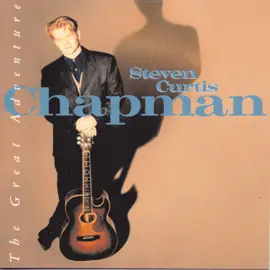
The Great Adventure
Apple Music subscribers: Sign in above to hear the full album.
Steven Curtis Chapman’s The Great Adventure, released in 1992, is one of the landmark albums of his career and one of the defining albums of early-1990s contemporary Christian music. Building on the momentum of his previous releases, Chapman embraced a bigger, more energetic sound while continuing to center his songwriting on faith, trust, and the excitement of following where God leads.
The title track, “The Great Adventure,” became one of Chapman’s signature songs and an anthem for Christians who see their faith as an active journey rather than a passive experience. Other memorable songs on the album, including “No Better Place on Earth,” “Got to B Tru,” and “I Will Be Here” — no, actually, I Will Be Here belongs to More to This Life — demonstrate Chapman’s growing range as a songwriter. The album successfully combines energetic celebration with more reflective moments, giving it a distinctive sense of movement and purpose.
The Great Adventure also holds a particularly special place at FishWorship. The title song has become one of our motivational theme songs, perfectly capturing the spirit of discovering new music, encouraging one another, and continuing forward in faith. For FishWorship, the album therefore represents more than an important chapter in Steven Curtis Chapman’s career—it contains a song that has become part of our own story and a reminder that following God really can be a great adventure.
🐟
Heaven in the Real World
Apple Music subscribers: Sign in above to hear the full album.
Steven Curtis Chapman’s Heaven in the Real World, released in 1994, continued the remarkable momentum of his early-1990s career while exploring a question that remains central to Christian life: What does it look like to live out our faith in the middle of the real world? Chapman combines energetic pop-rock, thoughtful songwriting, and a distinctly faith-centered perspective to create an album that is both engaging and challenging.
The title track captures much of the album’s heart, encouraging Christians to recognize that God’s love, grace, and kingdom are not confined to church buildings or religious settings. Other songs explore themes of faith, relationships, purpose, and the ways Christians are called to engage with the world around them. Chapman consistently moves the listener from simply thinking about faith toward actually allowing that faith to influence everyday life.
Heaven in the Real World is an important part of Chapman’s catalog because it demonstrates how effectively he could address serious spiritual questions without sacrificing musical accessibility. The album asks listeners not simply to wait for heaven, but to become reflections of God’s love in the world they inhabit today. More than three decades later, that challenge remains just as relevant: we are called to bring the hope of heaven into the real world through the way we live.
🐟
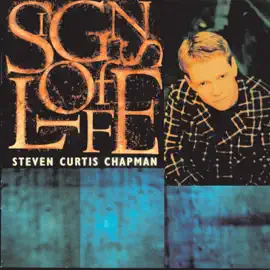
Signs of Life
Apple Music subscribers: Sign in above to hear the full album.
Steven Curtis Chapman’s Signs of Life, released in 1996, captures an artist at the height of his creative momentum. Following the enormous success of The Great Adventure and Heaven in the Real World, Chapman continued to expand his musical palette while exploring what authentic Christian faith looks like in everyday life. The album combines energetic pop-rock with thoughtful, sometimes deeply personal songwriting.
Songs such as “Lord of the Dance” and “The Walk” showcase two complementary sides of Chapman’s artistry. “Lord of the Dance” celebrates the joy and freedom of following Christ, while “The Walk” takes a more reflective look at the daily journey of faith. Throughout the album, Chapman returns to the idea that genuine faith should produce visible evidence—a life changed by God’s presence rather than simply a collection of beliefs.
Signs of Life remains an important album in Chapman’s catalog because it captures the excitement of Christian music in the 1990s while offering something deeper than catchy songs and polished production. Its title itself suggests the question Chapman explores throughout the album: What evidence can we see that God’s life is at work within us? The answer is found not merely in what we say, but in the way we live, love, serve, and walk with God.
🐟
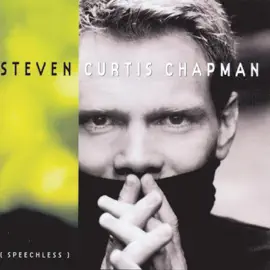
Speechless
Apple Music subscribers: Sign in above to hear the full album.
Steven Curtis Chapman’s Speechless, released in 1999, stands as one of the most celebrated albums of his career and a landmark release in contemporary Christian music. By this point, Chapman had already established himself as one of CCM’s most successful artists, but Speechless demonstrated that he was still willing to stretch musically and lyrically. The album combines polished pop-rock production with songs that explore wonder, surrender, transformation, and the overwhelming grace of God.
The title track captures the album’s sense of awe, while songs such as “Dive” and “The Change” showcase two very different dimensions of Chapman’s songwriting. “Dive” is an energetic invitation to take a wholehearted leap of faith, while “The Change” challenges listeners to allow their beliefs to produce genuine transformation in the way they live. Together, these songs demonstrate Chapman’s ability to make Christian truth both memorable and deeply relevant.
Speechless is also significant because it represents a mature point in Chapman’s artistic development. The exuberance of his earlier work is still present, but it is accompanied by greater depth and a willingness to wrestle with what faith actually means in everyday life. The result is an album that can make you want to sing along, think deeply, and ultimately stand in awe of the God whose grace leaves us, as Chapman puts it, speechless.
🐟
Declaration
Apple Music subscribers: Sign in above to hear the full album.
Steven Curtis Chapman’s Declaration, released in 2001, is an album built around conviction. Coming after the highly successful Speechless, Chapman continued to combine energetic contemporary Christian music with songs that challenged listeners to think more deeply about what they believe and how that belief shapes their lives. The album’s title is fitting: these songs often feel like statements of faith, trust, surrender, and commitment.
“Live Out Loud” captures the album’s outward-looking energy, encouraging Christians to move beyond simply believing and allow their faith to become visible in everyday life. “God Is God,” by contrast, addresses the much harder reality of trusting God when circumstances don’t make sense. Together, they demonstrate the breadth of Declaration: there is joy and celebration, but also honesty about doubt, uncertainty, suffering, and the challenge of trusting God when we don’t have all the answers.
Declaration remains an important album in Chapman’s catalog because it reflects a mature and confident faith without pretending that following Christ is always easy. Its songs encourage listeners to make their own declaration—not merely with words, but through the way they live. It is an album about believing deeply, trusting faithfully, and allowing that faith to become visible in the world around us.
🐟
This Moment
Apple Music subscribers: Sign in above to hear the full album.
Steven Curtis Chapman’s This Moment, released in 2007, is an album centered on the importance of recognizing and embracing the moments God gives us right now. After two decades of recording and a career filled with major successes, Chapman brought a deeper sense of perspective to these songs, exploring themes of family, faith, love, time, and the fleeting nature of life.
The album’s most memorable song, “Cinderella,” beautifully captures that perspective. Inspired by the simple moments Chapman shared with his daughters, the song encourages us to slow down and appreciate the people and experiences that can so easily pass us by. Other songs on the album continue to explore the idea that our lives are made up of individual moments that deserve our attention rather than being constantly sacrificed in pursuit of whatever comes next.
This Moment ultimately serves as an invitation to stop, look around, and recognize the significance of the life God has placed before us. Its message is especially meaningful because none of us knows how many moments we will be given. Chapman encourages us to love while we have the opportunity, cherish the people God has entrusted to us, and live fully in the moment we have been given today.
🐟
The Glorious Unfolding
Apple Music subscribers: Sign in above to hear the full album.
Steven Curtis Chapman’s The Glorious Unfolding, released in 2013, is a deeply reflective album from an artist looking back on a lifetime of faith while continuing to look forward with hope. The album’s title comes from the idea that our lives are part of a story that God is still unfolding—one whose ending we cannot yet see, but whose author we can trust.
Rather than presenting faith as a journey where every question has already been answered, Chapman embraces the mystery of not knowing what comes next. The songs explore God’s faithfulness, the passage of time, family, perseverance, and the hope that even difficult and confusing chapters can ultimately become part of something beautiful. That perspective gives the album a maturity that could only come from an artist who had experienced both extraordinary blessings and profound heartbreak.
The Glorious Unfolding is particularly meaningful as a later-career album because Chapman doesn’t abandon the themes that made his earlier music so memorable; he revisits them through the perspective of experience. The adventurous faith of his younger years has become a deeper confidence in God’s faithfulness through every season. The result is an album that reminds us that we may not know what the next chapter holds, but we can trust the Author—and that the story is still unfolding.
🐟
Bonus Song: “I’m Gonna Be (500 Miles)”
You made it all the way to the bottom of the page, so you deserve a bonus! And what better bonus could there be than one of the most unexpected songs in Steven Curtis Chapman’s entire catalog?
When Steven released All About Love in 2003, he was making something very personal: an entire album inspired by his wife, Mary Beth, and by the beauty, challenges, humor, and commitment of married love. And then, right in the middle of all those carefully crafted Steven Curtis Chapman love songs, came… The Proclaimers’ “I’m Gonna Be (500 Miles).” Yes, really. The man who gave us “I Will Be Here” and countless other Christian classics decided that his love letter to Mary Beth needed a little Scottish pop-rock. And as it turns out, “500 Miles” was one of their songs. Steven didn’t simply record the original, either—he reshaped the lyrics to make the song a very personal declaration of devotion to Mary Beth, singing about waking up beside her, coming home to her, working for her, growing old with her, and being willing to walk a thousand miles just to be with her.
So no, the rumors are NOT true: Steven didn’t lose a bet and have to cover a Proclaimers song! 😂 He actually had a much better reason. “500 Miles” was special to Steven and Mary Beth, and he had the courage to include one of their favorite songs on an album that was, in many ways, a musical celebration of their marriage. The result is one of the most unexpected—and surprisingly sweet—moments in Steven Curtis Chapman’s catalog.
And perhaps that’s the best part of this little musical detour: sometimes a love song doesn’t have to sound like a traditional love song. Sometimes love sounds like a guy from Kentucky singing a Scottish band’s wildly repetitive anthem because it happens to be their song. And apparently, if you’re willing to walk 500 miles and then 500 more for the person you love, that’s a pretty good love song after all.
Apple Music subscribers: Sign in above to hear the full song.
🐟