
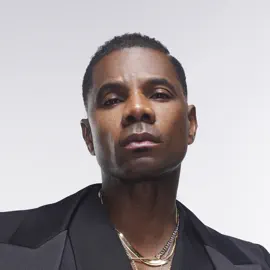

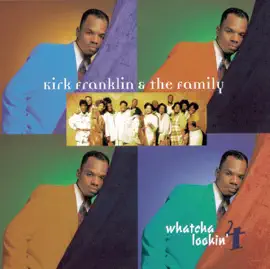
Kirk Franklin is one of the most influential and recognizable figures in contemporary Christian music. With a career spanning more than three decades, he has helped redefine what gospel music can sound like, bringing together traditional gospel, contemporary Christian music, hip-hop, R&B, and soul in a way that has reached audiences far beyond the traditional church.
From the groundbreaking success of Kirk Franklin & The Family to the many chart-topping albums and singles that followed, Franklin has consistently used music to tell stories of faith, struggle, redemption, and hope. His energetic arrangements, powerful choirs, and unmistakable production style have made him a defining voice in modern gospel music—and an artist whose influence can be heard throughout today’s Christian music landscape.
Whether leading a choir, collaborating with other major artists, or stepping into the spotlight himself, Kirk Franklin has never been afraid to push gospel music in new directions. His catalog offers a fascinating journey through the evolution of contemporary gospel, with songs that can be celebratory and joyful one moment and deeply personal and reflective the next.
For anyone discovering Christian music, Kirk Franklin’s work is an important part of the story. His music demonstrates that gospel can honor its roots while continuing to evolve, connect with new generations, and carry a message of faith to an ever-widening audience.
🐟
🎤 See Kirl Franklin Live: Concert Tickets | Official Events Calendar
🐟
🎬Featured Video
“I Smile”
There is something wonderfully disarming about Kirk Franklin’s “I Smile.” The song doesn’t pretend that life is always easy. Instead, it begins from the recognition that we can be hurting, discouraged, or struggling and still choose to hold on to hope. Released on Franklin’s 2011 album Hello Fear, “I Smile” became one of his signature songs and one of the most recognizable celebrations of joy in contemporary gospel music.
The official video brings that message to life with the energy and personality that have always been part of Franklin’s music. It’s bright, colorful, joyful, and full of people simply enjoying the moment. But underneath all that celebration is a much deeper message: our circumstances don’t have to have the final word. Faith can give us a reason to smile even when everything around us says that we shouldn’t.
That’s what makes “I Smile” such a fitting introduction to Kirk Franklin. His music has often lived at the intersection of gospel tradition and contemporary culture, and this song captures that approach beautifully. It’s catchy enough to make you want to move, but its message is ultimately about perseverance, gratitude, and trusting that God is still at work.
And perhaps that’s the best reason to feature it here: sometimes a Christian song doesn’t need to solve all of life’s problems. Sometimes it simply needs to remind us that there is still a reason to smile.
🐟
🎵Essential Songs
“Why We Sing”
Apple Music subscribers: Sign in above to hear the full song.
“Why We Sing” is a fitting introduction to Kirk Franklin because, before asking us to listen to the music, Franklin asks a more fundamental question: Why do we sing? Released in 1993 on Kirk Franklin & The Family, the song became one of Franklin’s signature recordings and helped establish the young artist as a distinctive new voice in gospel music.
Franklin’s answer is beautifully simple. Singing is an expression of joy, freedom, gratitude, and faith—not merely a performance. The song acknowledges that worship can sometimes come with tears, even when nothing is necessarily wrong. Its central message draws on the beloved hymn His Eye Is on the Sparrow, connecting Franklin’s contemporary gospel sound to a much older tradition of trusting in God’s care.
Musically, the song demonstrates something that would become central to Franklin’s career: the ability to take the energy and communal spirit of gospel choir music and present it with a contemporary sensibility. The recording’s repeated refrain gives the Family an opportunity to build the song collectively, while Franklin’s lead vocal adds an exuberant, conversational quality. Contemporary coverage noted the unusual combination of the large choir, rhythmic drive, and Franklin’s improvisational vocal style.
Perhaps most importantly, “Why We Sing” doesn’t present worship as something performed for an audience. It presents singing as testimony. The song ultimately looks beyond the moment of the performance itself, imagining a faith that continues even after the music stops. That’s a powerful idea—and a particularly appropriate one for a song about Christian music: the singing is not the destination. The One we are singing about is.
🐟
“Melodies from Heaven”
Apple Music subscribers: Sign in above to hear the full song.
“Melodies from Heaven” is one of Kirk Franklin’s earliest and most enduring songs, appearing on Whatcha Lookin’ 4 in 1995. Written by Franklin and performed with The Family, the song became one of the defining recordings of his early career. Whatcha Lookin’ 4 itself went on to become a major success, earning Franklin his first Grammy, with “Melodies from Heaven” specifically recognized as the album’s Grammy-winning hit.
The song’s message is remarkably uncomplicated: a longing for God’s presence, comfort, and Spirit. Rather than telling a detailed story, Franklin builds the song around a prayerful image of heavenly melodies raining down upon us. The repeated phrases give the song an almost meditative quality, while the warmth and power of The Family’s vocals turn that personal prayer into a communal experience.
That combination is part of what makes “Melodies from Heaven” so effective. It begins with intimacy but grows through repetition, allowing the listener to move from simply hearing the song to feeling as though they are participating in it. Franklin understood something fundamental about gospel music: sometimes the most powerful message isn’t delivered through a complicated verse, but through a simple truth repeated until it becomes something you can feel.
“Melodies from Heaven” also provides an excellent snapshot of what made Kirk Franklin such an important figure in contemporary gospel. The song is unmistakably rooted in the traditions of gospel worship, yet its production and rhythmic sensibility belonged unmistakably to the 1990s. Franklin wasn’t abandoning gospel’s heritage; he was finding new ways to express it. That ability to make traditional Christian themes feel immediate and contemporary would become one of the defining characteristics of his career.
More than three decades later, the song still works because its central prayer hasn’t become dated. We all have moments when we need to be reminded that God’s presence is greater than whatever circumstances surround us. Sometimes what we need isn’t an explanation. Sometimes we simply need those melodies from Heaven to rain down on us.
🐟
“Stomp”
Apple Music subscribers: Sign in above to hear the full song.
If “Why We Sing” introduced the world to Kirk Franklin’s vision and “Melodies from Heaven” demonstrated his gift for creating an atmosphere of worship, “Stomp” showed just how far that vision could go. Released in 1997 with the Dallas-based youth choir God’s Property, the song fused gospel, funk, hip-hop, and R&B into something that was unmistakably Christian but sounded completely at home alongside contemporary popular music.
The song’s infectious groove is built around an interpolation of Funkadelic’s “One Nation Under a Groove,” while the widely heard remix features Cheryl “Salt” James of Salt-N-Pepa. That combination was hardly what traditional gospel listeners might have expected—and that was precisely the point. Franklin wasn’t trying to make gospel music sound less like gospel; he was demonstrating that the energy, rhythm, and musical vocabulary of contemporary culture could be used to deliver a message of faith.
“Stomp” became a remarkable crossover success. God’s Property from Kirk Franklin’s Nu Nation debuted at No. 3 on the Billboard 200 and reached No. 1 on both the gospel and R&B/hip-hop album charts. The song itself received heavy exposure on outlets ranging from BET and MTV to urban radio, while the album eventually became one of the best-selling gospel albums of all time.
But the most important thing about “Stomp” may be what it represents. Franklin understood that young people were already surrounded by contemporary musical styles; he didn’t believe Christian music needed to retreat from those sounds. Instead, he took the party atmosphere of funk and hip-hop and redirected it toward celebration and praise. As contemporary coverage observed at the time, the result was music that could sound secular if you removed the words—but whose purpose and message were unmistakably Christian.
More than simply a hit, “Stomp” became a statement: Christian music didn’t have to choose between its message and its musical relevance. Kirk Franklin showed that gospel could be joyful, rhythmic, youthful, and culturally current without surrendering its identity. And once “Stomp” started making people dance, sing, and praise along with it, the boundaries between gospel music and the broader musical world became a lot harder to define.
🐟
“Revolution”
Apple Music subscribers: Sign in above to hear the full song.
“Revolution,” released in 1998 on The Nu Nation Project, is Kirk Franklin at his most confrontational—and perhaps at his most prophetic. Built around a driving hip-hop gospel groove, a massive choir, and rap vocals from Rodney “Darkchild” Jerkins, the song immediately demands attention. It doesn’t sound like a traditional gospel number, and that was very much the point. Franklin was demonstrating that a Christian message could confront contemporary culture using the very musical language of that culture.
But the “revolution” Franklin is calling for isn’t a political revolution. It is a revolution of hearts and lives. The song opens by invoking Revelation 7 and its vision of a future in which hunger, thirst, and tears are no more, then turns its attention toward the problems Franklin saw in the world around him. Violence, broken families, hypocrisy within the church, racism, and other social problems all become part of his challenge to the listener.
That makes “Revolution” considerably more substantial than its exuberant “Do you want a revolution?” hook might initially suggest. Franklin isn’t simply asking people to get excited; he’s asking them to change. The song challenges Christians to look beyond religious language and consider whether their lives actually reflect the faith they profess. Contemporary critics recognized that distinction, describing Franklin’s work as reaching beyond the already-converted and addressing people who might still be searching for something different.
Musically, “Revolution” is also an excellent example of why Kirk Franklin became such an important figure in contemporary gospel. Choir, rap, programmed rhythm, exhortation, and traditional gospel sensibilities all coexist without feeling like separate musical worlds. The result is energetic enough for a concert and pointed enough to function almost like a sermon. The song’s success helped establish The Nu Nation Project as a landmark album, and “Revolution” itself became one of Franklin’s defining recordings.
Perhaps the most interesting thing about “Revolution” today is that its basic challenge hasn’t really aged. The specific problems Franklin names may change with the times, but the question remains remarkably current: If we believe the Gospel changes lives, what should those changed lives look like? For Kirk Franklin, the answer was never simply to sing about change. It was to get up, live differently, and become part of the revolution.
🐟
“Brighter Day”
Apple Music subscribers: Sign in above to hear the full song.
After the urgency of “Revolution,” Kirk Franklin’s “Brighter Day” offers a wonderfully personal expression of hope. Released on The Rebirth of Kirk Franklin in 2002, the song reflects on the transformation that comes through a relationship with Jesus. Rather than focusing on what needs to change in the world, Franklin sings about what happens when darkness begins to give way to joy, security, and renewed purpose.
At the heart of “Brighter Day” is a simple but powerful testimony: life can become different. Franklin describes moving from a place where he never expected to smile again to discovering joy, friendship, and a sense of security through God’s love. The song doesn’t deny that dark clouds exist; its optimism comes from the conviction that those clouds don’t have to remain forever.
Musically, “Brighter Day” also represents something important in Franklin’s development. Critics noted that The Rebirth of Kirk Franklin moved somewhat away from the overt hip-hop emphasis of some of his earlier work, while “Brighter Day” deliberately recalled the energetic gospel style that had helped make Franklin a crossover sensation. The result is a song that feels both celebratory and deeply rooted in gospel tradition.
The song has also proved particularly effective in a live setting. Franklin recorded a performance at Houston’s Lakewood Church in 2000 that was released on The Rebirth of Kirk Franklin (Live) in 2002. In that setting, the song becomes less like a recording and more like a communal declaration, with Franklin encouraging the audience to clap and sing along as the celebration builds.
Perhaps that’s what makes “Brighter Day” such an enduring Kirk Franklin song. It isn’t a promise that life will never be difficult. It is a declaration that difficulty isn’t the end of the story. Sometimes faith changes the circumstances; sometimes it changes us as we walk through them. Either way, Franklin’s message is one of hope—and an invitation to believe that, even after the darkest night, a brighter day can still come.
🐟
“Imagine Me”
Apple Music subscribers: Sign in above to hear the full song.
With “Imagine Me,” Kirk Franklin turns the spotlight inward. Released on his 2005 album Hero, the song asks us to envision something that can be surprisingly difficult: a version of ourselves who is no longer defined by insecurity, rejection, fear, or the wounds of the past. Franklin’s answer is not found in becoming someone else, but in learning to see ourselves through God’s eyes. The song ultimately became one of the defining recordings of Hero, earning Franklin a Grammy for Best Gospel Song.
What makes “Imagine Me” particularly powerful is its honesty. Franklin doesn’t present freedom from insecurity as something that comes easily. He acknowledges the lasting effects of painful words and experiences, including wounds from childhood and family relationships. Yet the song refuses to allow those experiences to write the final chapter. Instead, it imagines a person who can let go of the past, trust God completely, and finally believe that he or she is worthy of love. Franklin has described the song as being for people who struggle with insecurity, acceptance, and self-esteem.
Musically, the song is remarkably restrained by Kirk Franklin standards. A warm piano-centered arrangement gradually expands with strings and choir, allowing the emotional weight of the message to remain front and center. Rather than overwhelming the listener with sheer gospel exuberance, Franklin gives the song room to breathe. The arrangement mirrors the journey of the lyrics: what begins quietly and personally grows into something communal and triumphant.
There is also something deeply Christian about the song’s understanding of freedom. “Imagine Me” isn’t simply a message of positive thinking or self-improvement. Its hope comes from the belief that God can redeem the things that have shaped us without allowing them to define us forever. The past happened—but it doesn’t have to remain our identity.
That may be the most beautiful idea in the song. Sometimes faith begins with being able to imagine something we cannot yet fully believe: What if I could actually be free? What if I could finally see myself as God sees me? For Franklin, imagining that person is the first step toward becoming that person. And by the end of the song, the imagination has become something much more powerful—a declaration of freedom.
🐟
“Looking For You”
Apple Music subscribers: Sign in above to hear the full song.
“Looking for You,” from Kirk Franklin’s 2005 album Hero, is one of the most joyful songs in Franklin’s catalog. It takes the familiar experience of searching for something that will finally bring peace, purpose, and fulfillment and turns that search toward God. The song begins by speaking directly to people who are struggling, offering encouragement to anyone who feels as though God has forgotten them. Franklin’s answer is ultimately one of testimony: he has discovered that what he was looking for was right there all along.
Musically, “Looking for You” is practically impossible to sit still through. Franklin builds the song around the groove of Patrice Rushen’s “Haven’t You Heard,” transforming that classic soul sound into an exuberant gospel celebration. The result is a wonderful example of Franklin’s ability to borrow from contemporary musical culture without losing the identity or message of gospel music. The song became a major crossover success, reaching No. 1 on Billboard’s Hot Gospel Songs chart and breaking into both the R&B and mainstream pop charts.
But underneath all that infectious energy is a surprisingly personal story. Franklin sings about being down for a long time, struggling to understand God’s plan, and wondering whether his circumstances would ever change. His eventual discovery of hope isn’t presented as an abstract theological idea; it is something he experienced personally. As Franklin explained when discussing Hero, encouraging people and pointing them toward God’s presence is at the heart of what gospel music should do.
That combination of struggle, discovery, and celebration is what makes “Looking for You” such an effective Kirk Franklin song. The message isn’t that faithful people never experience difficult seasons. It is that difficulty doesn’t mean God has abandoned us—and sometimes the very thing we have been desperately searching for is already waiting for us in His presence.
And then Franklin does something Kirk Franklin does particularly well: he takes that deeply personal realization and turns it into a party. The choir comes in, the groove takes over, and suddenly a testimony about finding God becomes something everyone in the room can celebrate together. “Looking for You” isn’t simply a song about finding what we’ve been searching for. It’s the sound of what happens when we finally realize we’ve found it.
🐟
“I Smile”
Apple Music subscribers: Sign in above to hear the full song.
Kirk Franklin’s “I Smile” is a celebration of joy in the middle of circumstances that don’t always give us much reason to celebrate. Released on his 2011 album Hello Fear, the song doesn’t suggest that a life of faith is a life without problems. Instead, Franklin offers a different perspective: difficulties may be real, but they don’t have to determine our attitude, our hope, or our future.
That distinction is what gives “I Smile” its staying power. Franklin sings about the challenges that life brings while repeatedly returning to the simple declaration that he still has a reason to smile. The song’s infectious rhythm and exuberant gospel arrangement make it feel almost like a party, but underneath the celebration is a message of perseverance. The smile isn’t a denial of life’s difficulties; it’s an expression of confidence that those difficulties don’t get the last word.
Musically, “I Smile” is classic Kirk Franklin. Gospel choir vocals, contemporary R&B, an irresistible groove, and Franklin’s unmistakable ability to turn a personal testimony into a communal celebration all come together in one recording. That blend has been central to Franklin’s career, helping him bring gospel music to audiences well beyond the traditional gospel marketplace. His ability to combine contemporary musical styles with an explicitly Christian message is one of the reasons he has remained such an influential figure in the genre.
There is also something wonderfully practical about the song’s message. We don’t always get to choose what happens to us, but we can choose where we place our hope. Franklin’s answer to difficult circumstances isn’t to pretend everything is fine. It is to remember what remains true even when circumstances aren’t fine—and then smile anyway.
That makes “I Smile” a particularly fitting introduction to Kirk Franklin’s music. His catalog contains songs about struggle, doubt, social problems, insecurity, and fear, but it also contains an extraordinary amount of joy. “I Smile” brings those two sides together beautifully. It reminds us that Christian joy isn’t necessarily the absence of trouble. Sometimes it is what happens when we know that trouble isn’t the end of the story.
🐟
“Wanna Be Happy?”
Apple Music subscribers: Sign in above to hear the full song.
Kirk Franklin’s “Wanna Be Happy?” begins with a deceptively simple question: Do you really want to be happy? Released in 2015 on Losing My Religion, the song quickly moves beyond the idea of happiness as something we simply find or acquire. Franklin challenges us to consider whether the things we hold onto—our habits, our hurts, our expectations, and even our relationships—might sometimes be standing between us and the joy we say we want.
That makes the song more challenging than its upbeat sound initially suggests. Franklin’s message isn’t simply “cheer up.” Instead, he suggests that genuine change may require us to let go of things that are familiar but unhealthy. Sometimes the path toward a happier life involves forgiveness, humility, and the willingness to change ourselves rather than waiting for everyone and everything around us to change.
Musically, “Wanna Be Happy?” is another example of Franklin’s remarkable ability to make a serious message irresistibly accessible. The song draws inspiration from Al Green’s soul sound, something Franklin said he didn’t even consciously realize while writing the melody. He also deliberately incorporated a juke-joint piano feel, strings, brass, and gospel vocals into the arrangement. The result sounds simultaneously soulful, contemporary, and unmistakably Kirk Franklin.
The song’s message resonated strongly with listeners. “Wanna Be Happy?” won Franklin the 2016 GRAMMY for Best Gospel Performance/Song, while Losing My Religion went on to win Best Gospel Album the following year. Its official music video also reinforces the song’s message by placing the question of happiness within the context of ordinary people and their struggles rather than presenting happiness as something reserved for people whose lives are already perfect.
Perhaps the most thought-provoking thing about “Wanna Be Happy?” is that Franklin doesn’t treat happiness as merely an emotion. He treats it as something that can require a decision. We may not be able to control everything that happens to us, but we can examine what we’re carrying, what we’re holding onto, and what we’re willing to surrender. The question isn’t simply “Are you happy?” It’s more challenging than that: If you really want to be happy, what are you willing to change?
🐟
“Love Theory”
Apple Music subscribers: Sign in above to hear the full song.
Kirk Franklin’s “Love Theory” takes one of Christianity’s most fundamental truths—God’s love—and turns it into an exuberant, thoroughly contemporary celebration. Released in 2019 as the lead single from Long Live Love, the song quickly became one of Franklin’s signature recordings of the decade, reaching No. 1 on Billboard’s Hot Gospel Songs chart and becoming his record-extending seventh song to reach the top of that chart.
The title is playful, but the idea behind it is deeply serious. Franklin’s message centers on the transformative power of knowing that we are loved by God. As he explained when discussing the song, when people can see themselves as loved, regardless of who they are or what they have done, they become more capable of loving others. In that sense, “Love Theory” isn’t really a theory at all—it is Franklin’s attempt to describe a way of living that begins with accepting God’s love and allows that love to change how we see ourselves and everyone around us.
Musically, the song is pure Kirk Franklin. Gospel choir vocals, R&B grooves, rhythmic sophistication, and Franklin’s enthusiastic direction all work together to create something that feels both familiar and fresh. The album’s production deliberately puts the music and ensemble performances at the center, and “Love Theory” demonstrates why Franklin’s arrangements have become such an important part of his artistic identity. Its verses and three-part harmonic choruses are a particularly good example of the detailed vocal arranging behind what initially sounds like effortless fun.
And that’s where the title becomes especially appropriate. Franklin isn’t presenting love as merely an emotion; he’s exploring the principles behind it. If God’s love is the foundation, then grace changes how we see ourselves, and that changed perspective changes how we treat other people. The song’s infectious refrain makes the idea easy to sing along with, but underneath the celebration is a remarkably challenging proposition: if we have truly experienced God’s love, that love should show up in the way we live.
“Love Theory” is therefore an excellent representation of Kirk Franklin’s enduring gift. He can take a profound theological idea, wrap it in an irresistible groove, surround it with an extraordinary choir, and somehow make the whole thing feel like the most natural thing in the world. And yes, given Franklin’s considerable musical sophistication, we suppose it is entirely possible that somewhere beneath all that gospel joy, there really is a little music theory going on too.
🐟
“Something About the Name Jesus”
Apple Music subscribers: Sign in above to hear the full song.
Kirk Franklin’s “Something About the Name Jesus” is a powerful celebration of the name at the center of the Christian faith. Released on The Nu Nation Project in 1998, the song brings together Franklin’s contemporary gospel sound with the timeless tradition of proclaiming the power, comfort, and hope found in Jesus. The recording features The Family alongside guest appearances from gospel artists Rance Allen and Men of Standard.
The song’s message is simple but profound: there is a unique power in the name of Jesus that cannot always be explained, but can be experienced. Franklin sings about the comfort he finds in calling on Jesus, moving naturally from personal testimony into communal worship. Rather than attempting to explain faith as an abstract idea, the song invites listeners to experience the peace and assurance that come from placing their trust in Christ.
Musically, “Something About the Name Jesus” demonstrates Franklin’s remarkable ability to connect generations of gospel music. Traditional gospel elements—including choir vocals, call and response, and the language of personal testimony—are combined with contemporary rhythms and production. The result is a song that feels firmly rooted in gospel tradition while remaining unmistakably a product of Franklin’s musical vision.
The song also illustrates an important characteristic of Franklin’s work: he understands that contemporary Christian music doesn’t have to abandon its heritage in order to move forward. Franklin takes familiar themes of worship and testimony and gives them a sound that speaks naturally to a new generation. In doing so, he helps demonstrate how gospel music can evolve while preserving the message at its heart.
Ultimately, “Something About the Name Jesus” succeeds because it doesn’t try to make the central message complicated. There is power in the name of Jesus. There is comfort in calling on Him. And sometimes the most meaningful response to that realization isn’t an elaborate explanation, but simply joining the voices around us and proclaiming His name.
🐟
“Now Behold the Lamb”
Apple Music subscribers: Sign in above to hear the full song.
Kirk Franklin’s “Now Behold the Lamb” is one of his most enduring worship songs, and in some ways it reveals a different side of the artist than the energetic, genre-blending songs that made him famous. Written in 1995 and first released on Kirk Franklin & The Family Christmas, the song draws directly from the biblical image of Jesus as the Lamb of God, particularly John 1:29. It has since become one of Franklin’s most widely recognized worship songs.
The song is remarkably simple in its central idea: behold Jesus, recognize what He has done, and respond with worship and gratitude. Franklin moves from acknowledging Christ as the Lamb who brings new life, to recognizing His holiness, and finally to thanking Him for His grace. There is also a deeply personal quality to the song. Rather than speaking about sin and redemption only as theological concepts, Franklin approaches them as realities in his own life—failure, repentance, forgiveness, and the realization that God continues to love us despite our shortcomings.
Musically, “Now Behold the Lamb” is almost the opposite of “Stomp” or “Revolution.” It is slow, spacious, and worshipful, allowing the message to carry the song rather than relying on rhythmic intensity. Yet it still bears Franklin’s distinctive gospel sensibility, building from a straightforward melody toward increasingly expressive vocal and choral passages. The simplicity of the arrangement gives the song room to breathe, while the choir transforms what begins as a personal expression of faith into something that feels communal.
There is something particularly powerful about the way the song moves from “Holy is the Lamb” to gratitude for the Lamb. It doesn’t stop at recognizing who Jesus is; it considers what His sacrifice means personally. The result is less a song about explaining the Christian doctrine of redemption than a musical response to experiencing it.
For an artist who has spent much of his career pushing gospel music into new musical territory, “Now Behold the Lamb” is a reminder that Franklin doesn’t always need to reinvent the sound of worship. Sometimes the most powerful thing he can do is take a timeless Christian image, make it personal, and simply invite us to behold the Lamb.
🐟
💿Essential Albums
Kirk Franklin & The Family
Apple Music subscribers: Sign in above to hear the full album.
Released in 1993, Kirk Franklin & The Family introduced the world to a young musician from Fort Worth, Texas, and to a seventeen-member group he had assembled simply called The Family. Recorded live at Grace Temple Church in Fort Worth, the album captured the energy of a church worship service while introducing a musical vocabulary that reached well beyond traditional gospel. It was the beginning of a career that would eventually make Franklin one of the most influential figures in modern gospel music.
From its opening moments, the album makes it clear that Franklin wasn’t interested in choosing between gospel tradition and contemporary music. Songs such as “Why We Sing,” “He’s Able,” “Silver & Gold,” and “Speak to Me” combine powerful choir arrangements and traditional gospel themes with contemporary soul, R&B, and rhythmic elements. The result feels both familiar and remarkably fresh. Franklin wasn’t abandoning the church; he was bringing the musical language of a new generation into the church.
The album’s success was extraordinary. What began as a relatively modest live recording eventually became the first gospel album to achieve platinum status, while spending an extended period at the top of the gospel charts and crossing over onto the R&B charts. More importantly, it established Franklin as an artist who could communicate the Christian message to listeners who might never have considered themselves part of the traditional gospel audience.
At the center of the album is “Why We Sing,” a fitting introduction to Franklin’s musical philosophy. The question isn’t simply why Christians make music, but why we worship in the first place. Across the album, Franklin returns to themes of faith, forgiveness, dependence on God, and the joy of salvation, but he presents them with the energy of someone who understands that worship can be both deeply rooted and completely alive.
Looking back from more than three decades later, Kirk Franklin & The Family sounds less like a debut and more like a declaration of intent. Franklin demonstrated that gospel music could honor its heritage without being confined by it. The album opened the door for the musical experimentation, crossover success, and cultural influence that would define much of his career—and it remains an essential starting point for understanding both Kirk Franklin and the evolution of contemporary gospel.
🐟
Whatcha Lookin’ 4
Apple Music subscribers: Sign in above to hear the full album.
Released in 1996, Whatcha Lookin’ 4 was the album that firmly established Kirk Franklin & The Family as one of the most important new voices in contemporary gospel. Although the album had actually been recorded in 1994, its release was delayed while Franklin’s debut continued its remarkable run. By the time Whatcha Lookin’ 4 finally arrived, Franklin was no longer simply a promising new gospel artist. He was beginning to demonstrate just how far gospel music could reach.
The album’s title asks a question that runs throughout Franklin’s music: What are you looking for? The answer isn’t found in any single song, but in the album’s recurring themes of God’s presence, faithfulness, joy, healing, and salvation. Songs such as “Whatcha Lookin’ 4,” “Melodies from Heaven,” “Conquerors,” “Don’t Take Your Joy Away,” and “Let Me Touch You” approach those themes from different perspectives, giving the album both musical variety and a strong spiritual center.
Musically, Whatcha Lookin’ 4 demonstrates Franklin’s growing ability to blend traditional gospel with contemporary R&B and soul without compromising the Christian message. The choir remains central, but the arrangements are rhythmic, polished, and unmistakably modern for their time. That combination helped Franklin reach listeners well beyond the traditional gospel audience. The album reached No. 1 on the Billboard Gospel chart and No. 3 on the R&B/Hip-Hop Albums chart, an indication of just how successfully Franklin was bringing gospel into the broader musical conversation.
The album’s defining moment may be “Melodies from Heaven,” a song that turns a simple longing for God’s presence into an expansive communal worship experience. Its repeated refrain and gradually building arrangement give the song an almost meditative quality, while the choir transforms what begins as a personal prayer into something everyone can sing together. The song would become one of Franklin’s signature recordings and earned him his first Grammy Award, for Best Contemporary Soul Gospel Album for Whatcha Lookin’ 4.
There is also a remarkable sense of purpose running through the album. Franklin wasn’t simply trying to make gospel music sound contemporary; he was trying to make its message impossible to overlook. Whatcha Lookin’ 4 demonstrates that Christian music could be energetic, soulful, sophisticated, and accessible while remaining unapologetically centered on Jesus.
In the context of Franklin’s career, Whatcha Lookin’ 4 is an important step between the breakthrough of his debut and the genre-defying explosion that would follow with God’s Property. It is the sound of an artist discovering how much room there really is between the church choir and the mainstream—and confidently stepping into it.
🐟
God’s Property from Kirk Franklin’s Nu Nation
Apple Music subscribers: Sign in above to hear the full album.
Released in 1997, God’s Property from Kirk Franklin’s Nu Nation was the album that transformed Kirk Franklin from a successful contemporary gospel artist into a cultural phenomenon. The project was a collaboration with God’s Property, a young Dallas-based gospel choir founded by Linda Searight, and Franklin served as producer and the creative force behind the project. The result was something that felt distinctly different from the traditional gospel album—and, for that matter, different from anything Franklin had done before.
The album’s opening track, “Stomp,” immediately announced that Franklin was willing to take gospel music somewhere new. Built around the funk of Funkadelic’s “One Nation Under a Groove,” with a guest appearance from Salt-N-Pepa’s Cheryl “Salt” James, the song combined gospel, funk, R&B, and hip-hop into an exuberant celebration of faith. Its success was extraordinary: the album reached No. 3 on the Billboard 200 and became the first gospel album to reach No. 1 on the R&B/Hip-Hop Albums chart. It eventually sold more than three million copies in the United States.
But God’s Property is much more than “Stomp.” Songs such as “More Than I Can Bear,” “Up Above My Head,” “Faith,” “So Good,” and “The Storm Is Over Now” demonstrate that Franklin wasn’t simply trying to make gospel music sound like secular R&B or hip-hop. He was using contemporary musical styles as a vehicle for messages of faith, perseverance, dependence on God, and hope. The album moves comfortably between infectious rhythmic numbers and more traditional contemporary gospel performances, giving the choir room to demonstrate both its youthful energy and its considerable vocal power.
The album’s success also represented something larger than a collection of impressive chart numbers. Franklin was demonstrating that young people didn’t have to leave contemporary musical culture at the church door in order to embrace Christian music. The production sounded at home alongside the R&B and hip-hop of the late 1990s, while the message remained unmistakably gospel. That approach helped broaden the audience for gospel music and challenged assumptions about what Christian music was supposed to sound like.
The project’s recognition extended beyond commercial success. God’s Property from Kirk Franklin’s Nu Nation won the Grammy Award for Best Gospel Choir or Chorus Album, with Franklin, Myron Butler, and Robert Searight II receiving the award.
In the progression of Franklin’s career, God’s Property is the moment when the possibilities opened up dramatically. Kirk Franklin & The Family introduced his vision, and Whatcha Lookin’ 4 refined it. God’s Property showed just how far that vision could go. Gospel music could have the choir, the testimony, and the message—and it could also have the groove, the attitude, and the sound of a new generation.
🐟
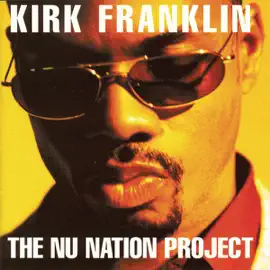
The Nu Nation Project
Apple Music subscribers: Sign in above to hear the full album.
Released in 1998, The Nu Nation Project found Kirk Franklin taking the musical ideas he had developed with The Family and pushing them into even more ambitious territory. The album brought together The Family, members of God’s Property, and the newly formed One Nation Crew, creating a large musical collective that gave Franklin an enormous palette to work with. It was also a pivotal moment in his career, eventually earning him another Grammy Award and establishing him as one of the most innovative voices in contemporary gospel.
The album opens with “The Verdict,” a mock courtroom scene in which Franklin is effectively put on trial for making gospel music sound too much like the secular music around it. The accusation is almost a mission statement: Franklin was deliberately taking the message of the Gospel into musical territory where some traditional gospel audiences weren’t accustomed to hearing it. From there, The Nu Nation Project moves confidently between hip-hop, R&B, funk, soul, traditional gospel, and contemporary Christian music.
That musical diversity is particularly evident in songs such as “Revolution,” “Lean on Me,” “Something About the Name Jesus,” “Gonna Be a Lovely Day,” and “My Desire.” “Revolution” delivers a pointed call for Christians to live out their faith in a world dealing with violence, broken families, racism, and other social problems. “Lean on Me,” meanwhile, takes a very different approach, bringing together Franklin with Mary J. Blige, Bono, R. Kelly, and Crystal Lewis for an expansive message of compassion and mutual support. Even with such prominent mainstream voices, the album never loses its Christian center.
The result was a remarkable commercial success. The Nu Nation Project debuted at No. 7 on the Billboard 200, making it one of the highest-charting gospel albums of its era. It also spent an extended period at the top of both the gospel and contemporary Christian album charts. The Recording Academy recognized the album with the 1999 Grammy Award for Best Contemporary Soul Gospel Album.
Perhaps the album’s greatest achievement, however, is the way it demonstrates that Franklin wasn’t simply trying to make gospel music more contemporary—he was trying to make contemporary music more receptive to the Gospel. The distinction matters. His goal wasn’t to disguise a Christian message beneath popular musical styles, but to use those styles as a language through which that message could reach people who might never walk into a traditional gospel setting.
The Nu Nation Project would also mark the end of an important chapter. Although Franklin would continue working with choirs and ensembles throughout his career, this was the final album credited to Kirk Franklin & The Family before he moved forward primarily as a solo artist. In that sense, the album serves as both culmination and launching point: it brought together much of what Franklin had built during the 1990s while pointing toward the broader artistic freedom he would explore on The Rebirth of Kirk Franklin.
If Kirk Franklin & The Family introduced the vision, Whatcha Lookin’ 4 developed it, and God’s Property showed that it could become a cultural phenomenon, The Nu Nation Project demonstrated that there really were no boundaries to where Franklin believed gospel music could go.
🐟
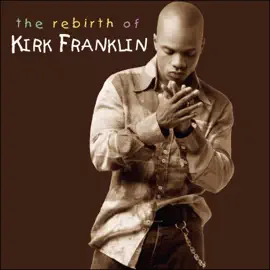
The Rebirth of Kirk Franklin
Apple Music subscribers: Sign in above to hear the full album.
Released in 2002, The Rebirth of Kirk Franklin marked a significant new chapter in Franklin’s career. After spending the 1990s leading The Family and working with groups such as God’s Property and One Nation Crew, Franklin stepped forward under his own name. The change was more than a matter of billing, however. The Rebirth showed an artist taking everything he had learned during the previous decade and expanding his musical vision rather than simply trying to recreate the success of his earlier albums.
The album combines contemporary gospel with R&B, hip-hop, soul, and traditional gospel influences, but there is a noticeable maturity to the overall sound. Songs such as “Hosanna,” “Caught Up,” “Brighter Day,” “My Life, My Love, My All,” and “When I Get There” move comfortably between exuberant celebration and deeply personal expressions of faith. Franklin also brought an impressive collection of guest artists into the project, including Shirley Caesar, Crystal Lewis, Donnie McClurkin, Jaci Velasquez, Yolanda Adams, Richard Smallwood, and T.D. Jakes.
At the heart of the album is “Brighter Day,” one of Franklin’s most enduring songs. Its message is straightforward but powerful: difficult circumstances do not have to determine the rest of our story. Franklin sings about moving from darkness toward hope, not because life’s problems suddenly disappear, but because faith provides a reason to believe that something better is ahead. The song captures the album’s broader sense of renewal particularly well.
The album also demonstrates Franklin’s growing confidence as a producer and musical director. Rather than relying on one particular formula, The Rebirth moves between styles and textures while keeping the choir and gospel tradition firmly at its center. The result is energetic without being dependent on the hip-hop-driven sound that had characterized some of his biggest successes of the 1990s. Even the live recordings feel carefully integrated into the larger project, giving the album the communal energy that has always been an important part of Franklin’s music.
Commercially, The Rebirth of Kirk Franklin continued Franklin’s extraordinary run of success. It reached No. 4 on the Billboard 200 and spent 29 weeks on the Gospel Albums chart. The album also earned Franklin the Grammy Award for Best Contemporary Soul Gospel Album, confirming that his move into a solo career had not diminished his influence.
The title ultimately feels remarkably appropriate. This wasn’t Kirk Franklin starting over; it was Kirk Franklin beginning again with everything he had already learned. After a decade of reshaping contemporary gospel, The Rebirth of Kirk Franklin showed that he could step away from the familiar identity of The Family and still sound completely like himself. It was a new chapter—but one built on a very strong foundation.
🐟
Hero
Apple Music subscribers: Sign in above to hear the full album.
Released in 2005, Hero found Kirk Franklin at a particularly ambitious point in his career. By this stage, he had already demonstrated that contemporary gospel could embrace hip-hop, R&B, soul, and pop without losing its identity. Hero took that musical confidence and paired it with a deeply personal examination of sin, redemption, identity, and the search for something greater than ourselves. The album was not simply a collection of gospel songs; it was conceived as a reflection on a world struggling with fear, violence, and uncertainty.
That larger perspective is evident from the beginning. Hero opens with “Intro — America the Beautiful,” immediately placing the album in the context of a nation and culture wrestling with its identity. From there, Franklin moves through songs of celebration, confession, struggle, and hope. “Looking for You” is an exuberant declaration of having found what the heart was searching for, while “Imagine Me” turns inward, exploring the possibility of finally seeing ourselves differently through God’s eyes. Later, “Why,” featuring Stevie Wonder, takes an even broader view, questioning the violence, materialism, and social problems surrounding us.
The guest appearances are another part of what makes Hero distinctive. Franklin brought together artists from across the musical landscape, including Stevie Wonder, Yolanda Adams, Marvin Winans, TobyMac, and P.O.D.’s Sonny Sandoval. These collaborations never feel like attempts to make the album less gospel. Instead, they reinforce Franklin’s longstanding belief that the Gospel can speak through many musical languages. His ability to move naturally between gospel choir, contemporary R&B, hip-hop, soul, and pop is one of the album’s defining characteristics.
At the heart of the album, however, is its title. Hero ultimately asks a deceptively simple question: Who is the hero of the story? Franklin’s answer is not himself, and the album repeatedly points beyond human ability toward Jesus. That makes the record’s exploration of weakness and redemption particularly effective. The people in these songs struggle, fall short, search for answers, and sometimes don’t know where to turn—but they are not left without hope.
The album’s impact was reflected in the recognition it received. Hero won the 2007 Grammy Award for Best Contemporary R&B Gospel Album, while “Imagine Me” earned the Grammy for Best Gospel Song. “Looking for You” also became one of Franklin’s signature recordings, reaching No. 1 on Billboard’s Hot Gospel Songs chart.
More than anything, Hero demonstrates how much Franklin’s musical and thematic vision had expanded since his debut. He could still create the irresistible gospel groove that had made “Stomp” famous, but he was now equally comfortable addressing deeply personal questions about identity, suffering, society, and redemption. The title may ask us to look for a hero, but the album’s real invitation is to look beyond ourselves—and toward the One Franklin believes was there all along.
🐟
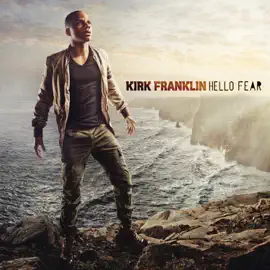
Hello Fear
Apple Music subscribers: Sign in above to hear the full album.
Released in 2011, Hello Fear finds Kirk Franklin confronting something that had been present throughout much of his life: fear. After years of creating music about faith, struggle, redemption, and hope, Franklin turned his attention directly toward the emotion that can make all of those things difficult to embrace. The album’s title is intentionally provocative. Rather than continuing to run from fear, Franklin chooses to acknowledge it, confront it, and ultimately refuse to allow it to control his life.
That idea gives the album a remarkably unified emotional center. Songs such as “Hello Fear,” “I Am,” “Everyone Hurts,” “I Smile,” “Give Me,” and “A God Like You” approach fear from different directions, exploring insecurity, pain, weakness, faith, and the confidence that comes from trusting God. The album doesn’t suggest that Christians are somehow exempt from fear or hardship. Instead, it acknowledges those realities while continually pointing toward a faith that is stronger than the circumstances surrounding us.
“I Smile” became the album’s signature expression of that idea. Its infectious gospel groove and joyful choir make it immediately accessible, but beneath the upbeat arrangement is a serious declaration: circumstances don’t get to determine where our hope comes from. That combination of honesty and celebration is quintessential Franklin. He can acknowledge that life hurts without allowing the hurt to become the final word.
Musically, Hello Fear also demonstrates how completely Franklin had developed his contemporary gospel sound. Gospel choir, R&B, soul, and modern production coexist naturally throughout the album, while guest appearances from artists including Marvin Sapp, Beverly Crawford, Mali Music, and Rance Allen add different dimensions to the project. The album moves from intimate moments to full-scale gospel celebration without losing its thematic focus.
The album’s impact was reflected in its reception. Hello Fear reached No. 5 on the Billboard 200, making it Franklin’s third album to reach the Top 10. At the 2012 Grammy Awards, the album won Best Gospel Album, while the title song won Best Gospel Song. It was another major achievement in a career already filled with them.
Ultimately, Hello Fear is less about eliminating fear than about putting fear in its proper place. Franklin doesn’t claim that fear will never knock on the door. Instead, he argues that we don’t have to let it become the voice that determines how we live. That makes the album an especially meaningful chapter in Franklin’s catalog: after years of singing about what faith can do, he turns toward one of the things that most often stands in faith’s way—and tells it that it no longer gets to be in charge.
🐟
Long Live Love
Apple Music subscribers: Sign in above to hear the full album.
Released in 2019, Long Live Love finds Kirk Franklin returning to one of the most fundamental themes in his music: the transforming power of God’s love. Coming four years after Losing My Religion, the album feels both contemporary and reflective, combining Franklin’s trademark gospel choir with R&B, hip-hop, soul, and modern production. Rather than presenting faith as something separate from everyday life, Franklin explores what it means to carry that faith into the struggles, relationships, disappointments, and responsibilities of the real world.
The album opens with “F.A.V.O.R.” and quickly establishes that balance between celebration and reflection. “Love Theory” turns the idea of God’s love into an energetic declaration, while songs such as “Idols,” “Just for Me,” and “Father Knows Best” take a more introspective approach. Franklin examines the things that compete for our attention, the ways we can become distracted by success or appearances, and the difficult process of recognizing what really deserves the center of our lives. Even when the songs address uncomfortable subjects, the album continually returns to grace and the possibility of something better.
That combination is particularly evident in “OK,” which acknowledges social and economic pressures rather than pretending that faith makes those problems disappear. Elsewhere, “Spiritual” brings a funky, celebratory energy, while “Forever/Beautiful Grace” slows the pace and emphasizes God’s enduring presence. The closing track, “Wynter’s Promise,” takes the album into deeply personal territory, expressing the longing for heaven that can accompany the loss of someone we love. Together, the songs create a surprisingly broad portrait of faith—joyful, questioning, vulnerable, and hopeful.
At the center of the album is the idea expressed by its title: love is worth celebrating because God’s love does not expire. Franklin has spent much of his career demonstrating that gospel music can speak directly to contemporary culture, but Long Live Love adds another dimension to that mission. The album suggests that the message of Christianity isn’t merely about what we believe; it is also about how God’s love changes the way we see ourselves and, ultimately, how we see and love other people.
The album was a major commercial and critical success. Long Live Love debuted at No. 1 on the Billboard Top Gospel Albums chart, and Franklin became the first artist to simultaneously top all five Billboard gospel charts. At the 2020 Grammy Awards, the album won Best Gospel Album, while “Love Theory” won Best Gospel Performance/Song.
In the larger story of Kirk Franklin’s career, Long Live Love feels like a mature expression of ideas that have been present since the beginning. The young artist who once asked Whatcha Lookin’ 4 eventually arrived at an answer that is both simple and profound: love—God’s love—is not merely something we look for. It is something we are called to live.
🐟