
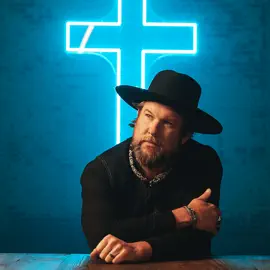



Zach Williams has one of the more remarkable stories in contemporary Christian music. His music carries the unmistakable weight of Southern rock—gritty guitars, big choruses, and a voice that sounds like it has lived through a few things—but beneath that sound is a story of redemption that gives his songs their particular power. Williams doesn’t sing about grace as an abstract theological concept. He sings about it as something that found him when he needed it.
Before he became one of Christian music’s most recognizable voices, Williams spent years playing in rock bands and living a life that was increasingly consumed by alcohol, drugs, and the destructive choices that came with them. A turning point came during a 2012 European tour, when he found himself confronted with the reality that the life he was living was not the life he wanted. His return to faith eventually led him into ministry and, in 2016, to the release of his breakthrough album Chain Breaker.
That album announced Williams as something considerably more than another new voice on Christian radio. Songs such as “Chain Breaker,” “Old Church Choir,” and “Fear Is a Liar” combined his Southern-rock sensibilities with an unapologetically Christian message, and audiences responded. Williams quickly established a distinctive place in contemporary Christian music: an artist who could sound tough without hiding his vulnerability, and who could talk about brokenness without allowing brokenness to have the final word.
Since then, Williams has continued to build a catalog around that same central conviction. Rescue Story, “There Was Jesus,” “Less Like Me,” “Heart of God,” and “Jesus Loves” have expanded the story, moving from personal rescue toward a broader declaration of what he believes God does with people who are willing to surrender their lives to Him. His music can be deeply personal, but it rarely stays there. The testimony becomes an invitation.
And perhaps that’s the best way to approach Zach Williams: not simply as a Christian artist who happens to make Southern rock, but as a storyteller whose own life gives context to what he sings. His catalog is filled with songs about chains being broken, fear losing its power, imperfect people becoming more like Jesus, and grace showing up where it is least expected. For Williams, those aren’t merely songwriting themes. They’re the story behind the songs.
🐟
🎤 See Zach Williams Live: Concert Tickets | Official Events Calendar
🐟
🎬Featured Video
“There Was Jesus” (with Dolly Parton)
Few songs in Zach Williams’ catalog bring his testimony, his sound, and his message together as beautifully as “There Was Jesus.” Recorded with Dolly Parton, the song looks back over the difficult seasons of life and recognizes God’s presence in every one of them. Dolly’s unmistakable voice adds something especially meaningful to the performance, making this collaboration one of the defining moments of Williams’ career. We recently shared our special tribute to Dolly Parton, “A Tribute to Dolly Parton: There Was Jesus,” and we invite you to read it before watching this powerful reminder that even when we couldn’t see Him, there was Jesus.
🐟
🎵Essential Songs
“Chain Breaker”
Apple Music subscribers: Sign in above to hear the full song.
When Zach Williams released “Chain Breaker” in 2016, he introduced himself to Christian music with a song that sounded like a declaration. Built on gritty guitars, a driving Southern-rock groove, and Williams’ unmistakable voice, the song doesn’t ease its way into its message. It announces it. There is freedom available to the person who feels trapped, hope for the person who has been beaten down, and a Savior who is not intimidated by the things that have bound us.
The song’s power comes in part from how naturally it fits Williams’ own story. He wasn’t singing about chains as a distant metaphor. His journey through addiction, brokenness, and eventually faith gives the song a personal weight that is difficult to manufacture. When Williams sings about the One who can break chains, the listener hears the testimony behind the words. This is not simply a song about the possibility of change. It is a song from someone who believes he has experienced it.
But “Chain Breaker” isn’t really about Zach Williams. That’s one of the reasons it works so well. The song turns outward, speaking directly to people who may feel trapped by addiction, shame, fear, regret, loneliness, or circumstances they don’t know how to escape. Its message is remarkably simple: the things that have held you do not have to define you. There is Someone stronger than the chains.
Musically, “Chain Breaker” also established the sound that would become a defining part of Williams’ career. It brought the rough-edged energy of Southern rock into contemporary Christian music without sanding away the character that made it distinctive. The result was a song that could live comfortably on Christian radio while still sounding like Zach Williams rather than an artist trying to fit a predetermined mold.
For FishWorship, “Chain Breaker” belongs near the beginning of the Zach Williams story because it captures so much of what makes his music compelling: testimony, redemption, Southern-rock grit, and an uncomplicated belief in the transforming power of Jesus Christ. It is the song that gave his solo career its name, its sound, and, in many ways, its mission.
🐟
“Old Church Choir”
Apple Music subscribers: Sign in above to hear the full song.
If “Chain Breaker” introduced Zach Williams as an artist with something to say, “Old Church Choir” showed just how much fun he could have saying it. Released in 2017, the song is an exuberant celebration of the kind of joy that doesn’t need to be explained or defended. With its hand-clapping rhythm, infectious melody, and unmistakable Southern-rock energy, “Old Church Choir” sounds like a Sunday morning that has spilled right out of the sanctuary and into the street.
The song’s title tells us something important about its spirit. An old church choir isn’t necessarily polished or spectacular. It’s people singing because they have something to sing about. There is history in those voices, and there is joy in the gathering. Williams takes that familiar image and turns it into a picture of a faith that is alive, loud, and impossible to keep contained. The result is one of those Christian songs that can make you smile before you have even finished the first chorus.
Lyrically, “Old Church Choir” is built around a simple but powerful idea: when the joy of knowing Jesus gets hold of you, it changes the way you move through the world. Williams isn’t pretending life is perfect. Instead, he’s celebrating the presence of a joy that circumstances can’t easily take away. The song’s infectious optimism works because it isn’t rooted in wishful thinking; it’s rooted in gratitude.
And then there’s that sound. “Old Church Choir” is a terrific example of what Williams brought to contemporary Christian music: the rougher edges and rhythmic drive of Southern rock paired with a message that is unmistakably Christian. It doesn’t sound like a traditional hymn, but there’s something wonderfully traditional about its central impulse. People have been gathering together to sing because of what God has done for them for a very long time.
For FishWorship, “Old Church Choir” is essential Zach Williams because it reveals another side of the artist behind the heavier testimony of songs like “Chain Breaker.” Grace can be serious business, but joy is part of the story, too. Sometimes the appropriate response to what Jesus has done isn’t a quiet reflection. Sometimes it’s a grin, a raised voice, a room full of people singing, and an old church choir that simply won’t stop.
🐟
“Fear Is a Liar”
Apple Music subscribers: Sign in above to hear the full song.
There is something immediately compelling about the title “Fear Is a Liar.” Zach Williams doesn’t dress the idea up in complicated language. He gives fear a name, calls it what it is, and then spends the song dismantling the things it has been telling us. Released in 2017, the song became one of Williams’ signature recordings and one of the most recognizable expressions of his particular brand of Christian encouragement.
The song works because Williams understands that fear rarely announces itself as fear. It often sounds like a reasonable conclusion: You’re not good enough. You’re too far gone. You’ll never change. You’re alone. God couldn’t possibly love someone like you. Those voices can become remarkably convincing when we listen to them long enough. “Fear Is a Liar” answers them with the truth of what God says about His people.
There is an important distinction here. Williams isn’t suggesting that Christians will never experience fear. Scripture certainly doesn’t make that promise. Fear is real. Anxiety is real. Circumstances can be genuinely frightening. What the song challenges is the voice of fear that turns a difficult circumstance into a false statement about who we are and what God is doing. Fear can tell us that our worst moment is our identity. The gospel tells us otherwise.
That message carries particular weight coming from Williams. His music repeatedly draws from the themes of brokenness, redemption, and transformation, and “Fear Is a Liar” fits naturally into that larger testimony. The person who has experienced what it means to be trapped by destructive choices can speak with some authority about the difference between being defined by the past and being given a new future.
Musically, the song doesn’t need the swagger of “Chain Breaker” or the exuberance of “Old Church Choir.” It has a more deliberate, almost confrontational quality. Williams gives the words room to land, building toward a chorus that feels less like a performance than an answer to an accusation.
And that may be why “Fear Is a Liar” has endured. It doesn’t tell us that there is nothing to fear. It reminds us that fear doesn’t get to tell us the truth. For a Christian listener facing a difficult day, that’s a message worth hearing again: the voice telling you that you’re abandoned, hopeless, worthless, or beyond redemption is not the voice of Jesus.
Fear may be loud. But it is still a liar.
🐟
“Rescue Story”
Apple Music subscribers: Sign in above to hear the full song.
If “Chain Breaker” is a declaration of freedom and “Fear Is a Liar” is an answer to the voices that try to convince us otherwise, “Rescue Story” is Zach Williams looking back and telling us how he knows those things are true. Released in 2019 as the title track of his second studio album, the song is deeply personal without becoming self-centered. It is a testimony set to music.
Williams begins from the perspective of someone who can look backward and recognize that his life could have ended very differently. The song doesn’t pretend that the past didn’t happen, and it doesn’t minimize the places where he went wrong. Instead, it reframes those experiences through redemption. The story isn’t ultimately about how badly things went. It’s about who came looking for him.
That is what makes the word rescue so important. Rescue implies that someone was in genuine trouble. You don’t need rescuing if everything is under control. Williams’ testimony has always included the reality of addiction, destructive choices, and a life that was moving in the wrong direction. “Rescue Story” doesn’t hide those things behind a polished Christian-music narrative. It puts them in the rearview mirror and gives God the credit for what happened next.
The song also avoids making Williams’ experience sound like a unique kind of miracle reserved for someone with an especially dramatic testimony. That’s where it becomes something much bigger than autobiography. Most people have a rescue story of some kind. Some are rescued from addictions or destructive lifestyles. Others are rescued from bitterness, pride, fear, despair, broken relationships, or simply the slow realization that the life they’ve built isn’t the life they were meant to live. The details differ, but the need for grace doesn’t.
Musically, “Rescue Story” carries the Southern-rock character that has become so closely associated with Williams, but the song feels more reflective than some of his earlier hits. There is strength in it, but there is also gratitude. It sounds like someone who has stopped long enough to look back at the road behind him and realize just how far he has come.
And that’s ultimately what makes “Rescue Story” such an important Zach Williams song. A testimony isn’t a story about how good we became. It’s a story about what God did when we couldn’t save ourselves. Williams takes his own history and turns it into an invitation for the listener to consider his or her own.
Because sometimes the most powerful thing a Christian can say isn’t, “Look at what I’ve accomplished.”
It’s simply: “Let me tell you what God rescued me from.”
🐟
“There Was Jesus” (with Dolly Parton)
Apple Music subscribers: Sign in above to hear the full song.
Some songs feel like they were written for a particular moment in a person’s life. “There Was Jesus” feels like it was written for all the moments we spend looking backward and wondering how we made it through. Released by Zach Williams in 2019 and recorded with Dolly Parton, the song is a quiet but powerful testimony to the presence of God in the middle of circumstances that can otherwise leave us wondering where He was.
The song’s central idea is beautifully simple: sometimes we don’t recognize God’s presence until we look back. We remember the difficult season, the unanswered questions, the loneliness, the mistakes, and the moments when we weren’t sure what would happen next. Then, with the perspective that only time can provide, we see something we couldn’t see while we were living it. There was Jesus.
Dolly Parton’s participation makes the recording particularly special. Her unmistakable voice brings warmth and a lifetime of musical storytelling to the song, while her presence connects the contemporary Christian sound of Williams with the country and gospel traditions that shaped her own career. This isn’t simply a famous guest appearance. The two voices complement one another in a way that makes the song feel conversational, almost as though two people are comparing notes about the faithfulness of God.
And the message becomes even more meaningful when considered alongside Zach Williams’ own story. His journey through addiction, destructive choices, and ultimately redemption gives “There Was Jesus” a personal resonance. He knows what it means to look back at a difficult chapter and recognize that the ending could have been very different. The song doesn’t deny the darkness. It simply insists that darkness was never the whole story.
That makes this song especially appropriate for FishWorship. Christian faith doesn’t promise us a life without difficult chapters. What it gives us is the assurance that we don’t walk through those chapters alone. We may not understand what God is doing while we’re in the middle of them. We may not even recognize His presence. But that doesn’t mean He isn’t there.
And now, as we remember Dolly Parton following her passing, “There Was Jesus” carries another layer of meaning for us. We recently published “A Tribute to Dolly Parton: There Was Jesus,” reflecting on her extraordinary life, her music, her faith, and the legacy she leaves behind. We invite you to spend a few minutes with that tribute as well.
Then listen to the song.
Listen to Zach Williams’ testimony. Listen to Dolly’s voice. And perhaps think about your own story—the chapters you understand and the ones you don’t.
Because someday, when we look back, we may discover that in the places where we thought we were alone, there was Jesus.
🐟
“Less Like Me”
Apple Music subscribers: Sign in above to hear the full song.
“Less Like Me” takes Zach Williams’ familiar themes of redemption and transformation and turns them toward a deceptively simple prayer: Lord, make me less like myself and more like You. Released in 2019 on Rescue Story, the song doesn’t focus on dramatic rescue from a crisis. Instead, it looks at the everyday struggle of becoming the person Christ calls us to be.
What makes the song work is its honesty. Williams isn’t singing as though he has already arrived. He recognizes the gap between knowing what Jesus asks of us and actually living it out. Patience, kindness, forgiveness, humility, compassion—these things sound straightforward until somebody cuts us off in traffic, hurts our feelings, disagrees with us, or simply gets on our last nerve. “Less Like Me” acknowledges that following Jesus isn’t merely about what we believe. It is about what those beliefs are doing to us.
The song also gives a particularly refreshing definition of spiritual growth. We sometimes measure Christian maturity by how much we know, how long we’ve been a Christian, or how successfully we can explain our faith. Williams points toward something much more practical: Am I becoming more like Jesus? If the answer is yes, then something real is happening. If the answer is no, perhaps there’s still some surrender to do.
There is also a beautiful humility in the song’s perspective. Williams doesn’t ask God to make him more impressive, more successful, or more influential. He asks God to take away the parts of himself that get in the way of loving other people well. It’s a prayer for the kind of transformation that may not attract much attention but can radically change a person’s relationships and everyday life.
That makes “Less Like Me” an important companion to the more dramatic songs in Williams’ catalog. “Chain Breaker” tells us that Jesus can break the chains that hold us captive. “Rescue Story” looks back at what God has already done. “Less Like Me” asks what happens next. Once we’ve been rescued, once the chains have been broken, once grace has found us—what kind of people are we becoming?
The answer Williams seeks isn’t complicated. More patience. More kindness. More grace. More Jesus.
And perhaps that’s why the song resonates so easily. Most of us don’t need another reminder that we’re imperfect. We already know that. What we need is the humility to admit it—and the willingness to ask God to keep changing us.
Less of me. More of Him. That’s a pretty good prayer for any Christian, any day.
🐟
“Heart of God”
Apple Music subscribers: Sign in above to hear the full song.
“Heart of God” is one of Zach Williams’ most direct reminders that the character of God is not defined by our failures, our fears, or the way we sometimes imagine He must see us. Released on his 2022 album A Hundred Highways, the song begins in the uncomfortable territory of shame and self-doubt and then points the listener toward something far more hopeful: the heart of God is not waiting to condemn us. It is reaching toward us.
That message matters because shame has a way of distorting our understanding of God. When we’ve made mistakes—or simply spent enough time listening to our own inner critic—we can begin to assume that God must see us the same way we see ourselves. We imagine disappointment where there is grace and rejection where there is welcome. “Heart of God” pushes back against that picture by focusing our attention away from our own shortcomings and toward the character of the One who loves us.
Williams delivers the message with the same earthy authenticity that has characterized so much of his music. There is no sense that he is speaking down to somebody who is struggling. If anything, the song feels like one imperfect person reminding another that God’s grace is bigger than the things we wish we could erase from our past. That fits naturally within the larger story Williams has told throughout his career.
The song’s title is important. It isn’t simply God’s Love or God’s Forgiveness. It is the Heart of God. Williams is asking us to consider what God is actually like—to move beyond our assumptions and encounter His character. And what he finds is a God who welcomes the broken, pursues the wandering, and offers grace to people who don’t believe they deserve it.
There is a wonderful continuity between “Heart of God” and the songs that established Williams’ career. “Chain Breaker” tells us that Jesus can free us from what holds us captive. “Rescue Story” tells us that He comes looking for us. “Less Like Me” asks Him to transform us. “Heart of God” reminds us why any of that is possible in the first place: because God’s heart is turned toward us.
For FishWorship, that’s what makes this song particularly meaningful. Christianity isn’t ultimately a story about people becoming good enough to approach God. It is the story of God approaching us. We bring our brokenness, our regrets, our questions, and our failures. He brings grace.
Sometimes the hardest thing isn’t believing that God can forgive us.
It’s believing that He actually wants to.
“Heart of God” is Zach Williams’ beautiful answer to that doubt.
🐟
“Jesus Loves”
Apple Music subscribers: Sign in above to hear the full song.
By the time Zach Williams arrived at “Jesus Loves,” the message that had been running through his music for nearly a decade had become remarkably simple. Jesus loves us. Not the cleaned-up version of us. Not the version that finally gets everything right. Us. The song, the title track of Williams’ 2025 album Jesus Loves, takes that uncomplicated truth and turns it into a warm, direct reminder of the heart of the Gospel.
There is something almost disarming about the simplicity of the title. Jesus loves. That’s it. We can make Christianity complicated, but the starting point isn’t complicated at all. God’s love comes looking for people where they are. For Williams, whose catalog has repeatedly explored addiction, brokenness, rescue, fear, grace, and transformation, that message doesn’t represent a departure from his story. It sounds like the destination.
And perhaps that’s what makes the song especially effective. Williams doesn’t sing about God’s love as though it were a reward for getting our lives together. The very people who most need to hear the message are the people who may be most convinced they have disqualified themselves from it. The person carrying regret. The person who feels too far gone. The person who has tried and failed more times than they care to admit. Jesus loves that person, too.
That places “Jesus Loves” in an interesting relationship with some of Williams’ earlier essential songs. “Chain Breaker” tells us that Jesus can break our chains. “Rescue Story” tells us that He comes after us. “Heart of God” reminds us that His heart is turned toward us. And now “Jesus Loves” strips the message down even further. Before the rescue, before the transformation, before we become “less like me”—there is love.
Musically, the song also demonstrates something Williams has learned over the course of his career: a powerful Christian message doesn’t always require a complicated presentation. Sometimes the strongest thing an artist can do is make room for a truth to speak for itself. Williams’ familiar Southern-influenced sound gives the song character, but the message remains front and center.
For FishWorship, “Jesus Loves” is an important song because it reminds us where the whole Christian story begins. We can talk about redemption, forgiveness, freedom, transformation, and becoming more like Christ—and all of those things matter. But underneath them is a truth that is so familiar we can almost forget how extraordinary it is.
Jesus loves.
He loves the broken. He loves the wandering. He loves the person who thinks they’ve gone too far. He loves the person who is still trying to figure it all out.
And He loves you.
Sometimes the simplest message is the one we most need to hear.
🐟
“Friends in High Places”
Apple Music subscribers: Sign in above to hear the full song.
“Friends in High Places” takes a phrase we normally associate with influence, connections, and having someone important in your corner and gives it an entirely different meaning. For Zach Williams, the ultimate “friend in high places” isn’t a powerful person who can open a door or make a phone call on our behalf. It’s Jesus. The song turns a familiar expression into a joyful reminder that the believer has an advocate far greater than any earthly connection.
There’s a playful quality to the idea, and Williams leans into it without losing the sincerity underneath. We all understand the value of knowing somebody who can help when we’re in trouble. But the song asks us to imagine what it means to have the Creator of the universe not merely as a distant authority, but as a friend. That is a staggering thought, and Williams delivers it with the easygoing confidence that has become one of the appealing characteristics of his music.
The message also fits beautifully within the larger story of Williams’ catalog. His earlier songs often tell us about being rescued from what has held us captive, finding freedom, and discovering God’s grace in the middle of our brokenness. “Friends in High Places” shifts the perspective from what Jesus has done for us to who Jesus is to us. He isn’t simply the One who rescued us and then sent us on our way. He remains present.
And there’s something wonderfully ordinary about the way the song approaches that truth. Christianity can sometimes feel like a collection of enormous theological concepts, and those concepts matter. But faith is also about relationship. It’s about knowing that when life gets difficult, we have someone to turn toward. When we don’t know what to do, we aren’t left alone. When we fail, we don’t have to hide.
That doesn’t mean having faith makes life easy. It means we don’t have to face life by ourselves.
For FishWorship, that’s what makes “Friends in High Places” such a worthwhile addition to the Zach Williams Essential Songs. It takes something we might say casually—“It’s good to have friends in high places”—and turns it into a much deeper truth: the most important relationship we can have isn’t with someone who has influence on earth, but with the One who reigns above it.
And if that’s who Jesus is, then perhaps we’re better connected than we sometimes realize.
🐟
“Wait For Me” (with Ben Fuller)
Apple Music subscribers: Sign in above to hear the full song.
“Wait For Me” brings Zach Williams together with fellow Christian artist Ben Fuller for a song that feels less like a polished declaration and more like a conversation between two people who understand what it means to have a past. Released during the Jesus Loves era, the song speaks from the perspective of someone who has spent time running in the wrong direction and is now wondering whether the people—and perhaps the life—he left behind might still be there when he finally finds his way home.
That makes the song particularly interesting in the context of Zach Williams’ catalog. So much of his music is about what happens after the rescue: freedom, grace, transformation, and learning to live differently. “Wait For Me” reaches back into the part of the story where things are still unresolved. There is regret in it, but there is also hope. The past cannot simply be erased, but perhaps reconciliation is still possible.
Ben Fuller’s presence makes the collaboration especially effective. Fuller brings his own testimony of addiction, recovery, and faith to his music, so the pairing feels natural rather than manufactured. There is a sense that both singers understand the emotional territory they’re exploring. The song becomes less about two artists trading vocals and more about two voices telling different parts of a story that many people know intimately.
At its heart, “Wait For Me” is about coming home. And home can mean more than a physical place. It can mean returning to a relationship, returning to family, returning to faith, or simply becoming the person you always hoped you could be. Sometimes we are the ones who walked away. Sometimes we’ve hurt people we love. Sometimes we have spent years wondering whether we’ve gone too far to turn around.
The Christian hope running underneath the song is that coming home isn’t necessarily the end of the story. Grace leaves the door open.
That makes “Wait For Me” an intriguing companion to Williams’ earlier songs. “Rescue Story” looks backward and recognizes what God has done. “Chain Breaker” celebrates freedom. “Less Like Me” asks God to continue the transformation. “Wait For Me” looks toward the possibility of restoration. It reminds us that redemption isn’t only about being rescued from where we’ve been. Sometimes it’s also about finding our way back to the people and places we thought we’d lost.
For FishWorship, that’s what makes this collaboration worth hearing. It doesn’t pretend that the road home is always easy or that every consequence disappears. It simply leaves room for hope.
Sometimes the bravest thing a person can say is also the simplest:
I’m coming home. Wait for me.
🐟
💿Essential Albums
Chain Breaker
Apple Music subscribers: Sign in above to hear the full album.
When Zach Williams released Chain Breaker in 2016, he wasn’t simply introducing a new Christian artist. He was introducing a story. The album arrived with the sound of Southern rock, country, gospel, and contemporary Christian music all meeting in the same room, but what made it stand out was the testimony underneath it. Williams had spent years living a life marked by addiction and destructive choices before finding his way toward faith and ministry. Now he had an album that sounded like someone who had discovered freedom and couldn’t keep quiet about it.
The title track immediately established the album’s central theme. “Chain Breaker” is a declaration that the things holding us captive don’t have to have the final word. But the album doesn’t simply repeat that idea from song to song. “Old Church Choir” brings infectious joy, “Fear Is a Liar” confronts the voices that tell us we’re hopeless, and songs such as “Survivor” and “To the Table” expand the album’s vision of what redemption looks like. Together, the songs create a picture of Christianity that is honest about brokenness without allowing brokenness to become someone’s identity.
What makes Chain Breaker particularly compelling is that Williams’ musical style and message feel inseparable. The rough edges in his voice, the Southern-rock instrumentation, and the gospel influences give the album a lived-in quality. This isn’t polished music trying to sound gritty. It sounds like a man who has actually been through something. Even when the songs become celebratory, there is a sense of gratitude underneath them.
The album also established a pattern that would become important throughout Williams’ career: taking deeply personal experiences and turning them into songs that other people can claim as their own. His story may involve addiction and a dramatic change of direction, but the underlying questions are universal. What do we do with our failures? Can we really change? Is grace actually available to people like us? Is the past stronger than the future?
Chain Breaker answers those questions with a resounding no.
Nearly everything that would become recognizable about Zach Williams is already here: the Southern-rock grit, the straightforward Christian message, the willingness to talk about brokenness, and the conviction that Jesus doesn’t merely make us feel better about our chains—He can actually set us free from them.
For FishWorship, Chain Breaker belongs at the beginning of the Zach Williams story because it isn’t simply his debut album. It’s the musical foundation for the testimony that has defined his career. Ten years later, Williams would still be singing about grace, rescue, transformation, and the love of Jesus. But this is where the story began to reach a much larger audience.
Sometimes an album is a collection of songs.
Sometimes it sounds like a testimony.
Chain Breaker is very much the latter.
🐟
Rescue Story
Apple Music subscribers: Sign in above to hear the full album.
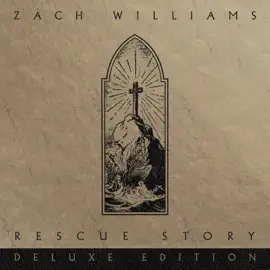
If Chain Breaker introduced the world to Zach Williams’ story of redemption, ** Rescue Story ** is where that story becomes even more personal. Released in 2019, Williams’ second studio album takes the themes that defined his breakthrough and digs deeper into what it means to be rescued, changed, forgiven, and given a new beginning. The title isn’t incidental. This is an album built around the idea that every life touched by grace has a story worth telling.
The album’s centerpiece is, appropriately, “Rescue Story.” Williams looks back at his own life and recognizes that the person he once was doesn’t have to determine who he becomes. But the album doesn’t remain confined to his testimony. “There Was Jesus,” recorded with Dolly Parton, expands the story into a broader reflection on God’s presence in difficult seasons, while “Less Like Me” turns the focus toward the ongoing work of becoming more like Christ.
That progression gives Rescue Story an interesting shape. There is rescue, but rescue isn’t the end. Freedom leads to transformation, and transformation leads to a different way of living. Williams understands that Christianity isn’t simply about having a dramatic moment when everything changes. It’s about what happens afterward—learning to walk differently, think differently, love differently, and increasingly see the world through the eyes of Jesus.
Musically, the album continues the Southern-rock and country influences that made Chain Breaker distinctive, but there’s a greater sense of maturity and breadth. Williams can still bring the grit when the song calls for it, but the album also makes room for vulnerability and reflection. His voice remains unmistakably his own, which is important because the songs depend on the sense that these words have been lived before they were sung.
Perhaps the most powerful thing about Rescue Story is that Williams doesn’t present redemption as something reserved for people with dramatic testimonies. His story may have included addiction and a radical change of direction, but the album continually points beyond the particulars of his life. Everybody has something from which they need rescuing. Everybody has chapters they’d rather rewrite. Everybody knows what it means to need grace.
That’s why Rescue Story remains such an important album in the Zach Williams catalog. It takes the personal story behind Chain Breaker and turns it into something listeners can see themselves in. The songs don’t ask us to pretend our past didn’t happen. They invite us to believe that our past doesn’t have to be the end of the story.
For FishWorship, that makes Rescue Story more than an Essential Album. It’s one of the clearest expressions of the central idea running through Zach Williams’ music: redemption doesn’t erase your story. It changes what your story means.
🐟
A Hundred Highways
Apple Music subscribers: Sign in above to hear the full album.
By the time Zach Williams released A Hundred Highways in 2022, the story that had introduced him to Christian music was no longer new. He had already spent years singing about freedom, rescue, fear, and transformation. But rather than simply revisit those themes, the album feels like the work of an artist who has had time to live with them. There is a greater sense of reflection here—a recognition that following Jesus is not one dramatic moment, but a journey with plenty of miles still ahead.
The album’s title is a fitting metaphor. A hundred highways suggests choices, directions, detours, and roads we could take. Life rarely gives us a perfectly marked route, and Williams’ music has always been particularly interested in what happens when we find ourselves on the wrong road. A Hundred Highways looks at that journey from a more mature perspective, asking what it means to keep following God when the road ahead isn’t always obvious.
One of the album’s strongest moments is “Heart of God,” which turns the listener’s attention away from the way we tend to see ourselves and toward the character of God. Other songs, including “Big Tent Revival” and “Looking for You,” continue Williams’ blend of personal testimony, Southern-rock energy, and straightforward Christian songwriting. The album doesn’t feel like an attempt to recreate the breakthrough formula of Chain Breaker. Instead, it sounds like Williams continuing to figure out what he has to say.
That distinction matters. Chain Breaker was an introduction. Rescue Story was a testimony. ** A Hundred Highways feels more like a journey.** Williams is no longer simply looking back at the dramatic changes God made in his life. He’s considering what it means to keep walking with Him after the initial excitement of rescue has passed.
The musical character of the album reflects that maturity. Williams still sounds unmistakably like Zach Williams—his gritty Southern-rock voice and gospel-inflected songwriting remain firmly in place—but there is room for quieter moments and more reflective material. The result is an album that feels comfortable in its own skin. It doesn’t need to prove anything.
For FishWorship, A Hundred Highways is an important part of the Zach Williams story because it reminds us that redemption isn’t a finish line. God doesn’t rescue us and then leave us standing at the place where He found us. He puts us on a road. Sometimes that road is clear. Sometimes there are detours. Sometimes there are a hundred highways and we’re not entirely sure which one we’re supposed to take.
But the journey continues.
And perhaps that’s one of the most encouraging things about this album: you don’t have to have the whole road mapped out to keep moving forward with Jesus.
🐟
Jesus Loves
Apple Music subscribers: Sign in above to hear the full album.
By the time Zach Williams released Jesus Loves in 2025, nearly a decade had passed since Chain Breaker first introduced his story of redemption to a much wider audience. In those years, Williams had built a career around songs of rescue, freedom, grace, and transformation. With Jesus Loves, he brings those themes back to their simplest and most powerful foundation: Jesus loves us.
There is something wonderfully uncomplicated about the album’s title. After all the stories we tell about what God has done for us, sometimes we need to return to the truth underneath all of them. Jesus loves the person who is struggling. Jesus loves the person who has failed. Jesus loves the person who has wandered away. Jesus loves the person who isn’t sure what they believe yet. And Jesus loves the person who has been following Him for decades. Williams doesn’t seem interested in making that message more complicated than it needs to be.
The album carries forward the Southern-rock, country, and gospel influences that have become part of Williams’ musical identity, while continuing to make room for collaboration and different shades of his sound. The title track sits naturally alongside songs such as “Friend in High Places” and other material that explores what it means to live in relationship with Jesus rather than simply know about Him.
In that sense, Jesus Loves feels like a natural continuation of Williams’ catalog. Chain Breaker told us that Jesus can break our chains. Rescue Story looked back and recognized what God had done. A Hundred Highways considered the journey that follows. Now Jesus Loves brings the story back to the reason any of those things are possible in the first place.
Love.
Not a vague sentiment or an inspirational slogan, but the kind of love that pursues, forgives, restores, and refuses to define us by our worst moments. That message has always been present in Williams’ music, but here it is right there in the title, impossible to miss.
And perhaps that’s fitting for this stage of his career. After years of singing about dramatic rescue and life-changing transformation, Williams doesn’t need to make the Gospel sound complicated or novel. Sometimes the most profound thing an artist can do is remind us of something we’ve heard a thousand times—and help us hear it again.
Jesus loves.
For the person who needs rescue.
For the person who needs forgiveness.
For the person who needs hope.
For the person who simply needs to remember that they are not alone.
That’s the heart of Jesus Loves, and it’s a fitting addition to the continuing story Zach Williams has been telling since Chain Breaker.
🐟