If you haven’t discovered Leanna Crawford yet, you’re in for a treat. Crawford brings a refreshing combination of honest faith, catchy melodies, and a voice that makes her songs easy to connect with. Her music feels personal without being overly complicated, often taking the everyday questions and struggles of following Jesus and turning them into songs of encouragement and hope.
One of the things we especially appreciate about Leanna Crawford is her willingness to be honest. Her songs don’t gloss over uncertainty, fear, or difficult seasons. Instead, they remind us that faith isn’t about having everything figured out—it’s about knowing where to turn when we don’t. Whether she’s singing about trusting God, asking Him to move again, or simply being thankful for what He has done, Crawford has a way of making those themes feel remarkably close to home.
Crawford first caught our attention with songs like “Truth I’m Standing On” and “Still Waters (Psalm 23),” songs that show both sides of what makes her music special: vulnerability and confidence in God. “Still Waters” in particular became a powerful introduction to her music for many listeners, drawing from Psalm 23 to remind us of God’s presence and care even when life takes us through difficult places.
And there’s plenty more to discover. With her 2026 album Thank God, Crawford continues growing as an artist while staying true to the faith-centered songwriting that brought listeners to her music in the first place. Songs like “Ask Him Again,” “Living Room Floor,” “Do It Afraid,” and “Thank God” give us new reasons to keep listening—and make Crawford an artist we’re excited to have on FishWorship.
So if you’re looking for Christian music that is uplifting without pretending life is perfect, honest without losing hope, and memorable enough that you’ll find yourself singing along, give Leanna Crawford a listen. We think you’ll quickly understand why she belongs among the artists we’re excited to share with the FishWorship community.
🐟
🎬Featured Video
“Still Waters (Psalm 23)”
There are some songs that seem to meet us exactly where we are, and Leanna Crawford’s “Still Waters (Psalm 23)” is one of them. Inspired by the familiar words of Psalm 23, Crawford turns the biblical picture of God as our Shepherd into a deeply personal reminder that He is with us through every season. It’s a beautiful introduction to Crawford’s music—and a song that invites us to slow down, listen, and remember that we don’t have to walk through life’s difficult places alone.
🐟
🎵Essential Songs
“Still Waters (Psalm 23)”
Apple Music subscribers: Sign in above to hear the full song.
“Still Waters (Psalm 23)” is one of those songs that takes a Scripture passage many of us have known for years and helps us hear it again with fresh ears. Leanna Crawford draws from the familiar words of Psalm 23, turning the picture of the Lord as our Shepherd into a personal reminder of His presence, His guidance, and His care. The result is a song that feels both comforting and deeply relatable.
At the heart of the song is a simple but powerful truth: God is with us even when the path ahead isn’t clear. The imagery of green pastures, still waters, and the valley reminds us that following our Shepherd doesn’t mean we will never face difficult places. It means we don’t have to face them alone. Crawford’s warm, expressive vocal makes that message feel less like a distant biblical promise and more like an encouragement being spoken directly to us.
“Still Waters (Psalm 23)” also gives us a good glimpse into what makes Leanna Crawford such an appealing Christian artist. She doesn’t need to overcomplicate the message. She takes something timeless, gives it a contemporary musical setting, and allows the truth of Scripture to remain at the center.
For anyone discovering Leanna Crawford for the first time, this is a wonderful place to begin. “Still Waters (Psalm 23)” is more than a beautiful Christian song—it is a musical reminder to trust the Shepherd, rest in His presence, and keep following Him even when we find ourselves walking through the valley.
🐟
“Thank God”
Apple Music subscribers: Sign in above to hear the full song.
“Thank God” is an upbeat celebration of gratitude that captures one of the simplest responses of faith: looking at where we are, remembering where we’ve been, and giving God the credit for bringing us this far. As the title track of Leanna Crawford’s 2026 album, the song carries an unmistakable sense of joy while keeping its focus on the One who deserves our thanks.
What makes the song especially appealing is the way Crawford connects gratitude with the everyday journey of faith. Sometimes God’s goodness is easy to recognize, and sometimes we have to look back to see just how faithfully He has been working in our lives. “Thank God” gives us an opportunity to do exactly that—to pause, remember, and respond with gratitude.
Musically, the song showcases the lighter, contemporary side of Crawford’s artistry. It’s catchy and energetic without losing its Christian message, making it the kind of song that can put a smile on your face while giving you something meaningful to sing along with.
For FishWorship, “Thank God” is a great example of why Leanna Crawford is an artist worth discovering. Her music can be honest about life’s challenges while still finding plenty of reasons to celebrate God’s faithfulness. Sometimes the best response to everything God has brought us through is exactly what Crawford’s song says: Thank God.
🐟
“Truth I’m Standing On”
Apple Music subscribers: Sign in above to hear the full song.
“Truth I’m Standing On” is a powerful reminder that our circumstances don’t get to decide what is true. Leanna Crawford takes that idea and turns it into an encouraging song about holding firmly to God’s promises, especially when fear, doubt, or difficult circumstances make it tempting to question what we believe.
There’s something particularly relatable about the way Crawford approaches faith in this song. She doesn’t suggest that following God means we will never struggle or have questions. Instead, the song points us toward something more dependable than our feelings: the truth of who God is and what He has promised. When everything around us seems uncertain, we can choose what we’re going to stand on.
That message gives “Truth I’m Standing On” a lasting quality. It’s the kind of song that can sound especially meaningful during a difficult season, but it also works as a declaration of faith when life is going well. Crawford’s contemporary Christian pop style keeps the song accessible and memorable while allowing its central message to remain front and center.
For anyone discovering Leanna Crawford through FishWorship, “Truth I’m Standing On” is an important part of the journey. It’s a song about faith that doesn’t ignore life’s challenges—it reminds us that even in the middle of those challenges, we have something solid to stand on.
🐟
“Honest”
Apple Music subscribers: Sign in above to hear the full song.
“Honest” is a song about dropping the mask and being real with God. Leanna Crawford gives voice to something many of us experience but don’t always want to admit: sometimes we’re struggling, sometimes we’re afraid, and sometimes our faith doesn’t feel as strong as we’d like it to. Instead of hiding those feelings, “Honest” reminds us that we can bring them to God exactly as they are.
That’s part of what makes this song so encouraging. Crawford doesn’t treat vulnerability as a weakness. There is freedom in being able to say what we’re really feeling and trusting that God already knows our hearts. We don’t have to pretend that everything is okay before we come to Him. We can come with our questions, our disappointments, our fears, and our hopes.
Musically, “Honest” showcases the more reflective side of Crawford’s contemporary Christian sound. Her vocal delivery keeps the song personal and conversational, allowing the message to feel less like a polished declaration and more like an intimate conversation with God.
For FishWorship listeners, “Honest” is a wonderful reminder that faith and honesty can go hand in hand. God isn’t asking us to bring Him a perfect version of ourselves. He invites us to bring Him ourselves—just as we are—and trust Him with whatever we’re carrying.
🐟
“How Can You Not”
Apple Music subscribers: Sign in above to hear the full song.
“How Can You Not” is a joyful celebration of the goodness of God. Leanna Crawford takes a simple question and turns it into an infectious reminder that when we stop and recognize what God has done, gratitude and praise become a natural response. It’s an upbeat song with a message that is hard to miss—and even harder not to sing along with.
The song has a wonderful sense of wonder running through it. Rather than focusing on everything that might be going wrong, Crawford invites us to look around and notice the evidence of God’s goodness. The beauty of creation, the blessings we sometimes take for granted, and the simple realization that God is present in our lives all give us reasons to praise Him.
Musically, “How Can You Not” highlights the fun and energetic side of Crawford’s contemporary Christian sound. It’s bright, memorable, and accessible, while still pointing listeners toward a meaningful truth: when we recognize who God is and how faithfully He loves us, it’s difficult to keep that gratitude to ourselves.
For FishWorship, “How Can You Not” is a great reminder that Christian music doesn’t always have to be reflective or serious to carry a powerful message. Sometimes faith sounds like joy, gratitude, and a big smile—and this is Leanna Crawford having a little fun while giving us plenty of reasons to praise God.
🐟
“Jesus Is”
Apple Music subscribers: Sign in above to hear the full song.
“Jesus Is” gets right to the heart of the Christian faith: Jesus is exactly who He says He is. Leanna Crawford turns that simple truth into a joyful declaration, celebrating the character of Christ and reminding us that our faith is ultimately grounded in a Person—not simply an idea or a collection of beliefs.
There’s something refreshing about the straightforwardness of the song. Crawford doesn’t try to make the message complicated. Instead, she gives listeners an opportunity to stop and consider who Jesus is to us: our Savior, our hope, our peace, and the One we can trust. Sometimes a simple reminder of those truths is exactly what we need.
The song also brings another dimension to Crawford’s music. While “Still Waters (Psalm 23)” and “Honest” invite us into more reflective moments, “Jesus Is” is much more of a declaration. It’s the kind of song that encourages us to move from simply thinking about our faith to celebrating it.
That’s why “Jesus Is” belongs among the essential Leanna Crawford songs on FishWorship. It’s a joyful, accessible expression of faith that keeps the spotlight where it belongs—with Jesus.
🐟
“Borrow Mine”
Apple Music subscribers: Sign in above to hear the full song.
“Borrow Mine” is a beautiful expression of compassion. Leanna Crawford sings from the perspective of someone who is willing to share what they have with another person who is struggling—offering strength when someone else feels weak and hope when they may not have much of their own. It’s a simple idea, but one that reflects an important part of living out our faith: sometimes God puts us in someone else’s path so we can help carry what they’re carrying.
What makes the song especially meaningful is its reminder that we don’t always need the perfect words to help someone. Sometimes what a hurting person needs most is simply to know that someone is willing to stand beside them. “Borrow Mine” captures that kind of friendship and generosity in a way that feels genuine rather than sentimental.
The song also shows another side of Leanna Crawford’s songwriting. While many of her songs point directly toward trusting God, “Borrow Mine” demonstrates how that faith can be lived out through the way we treat other people. Our faith isn’t just something we believe; it can become something we give away through compassion, encouragement, and simply being there when someone needs us.
For FishWorship, “Borrow Mine” is a reminder that Christian music can encourage us not only to look upward toward God, but also outward toward the people around us. Sometimes the most meaningful thing we can say to someone who is hurting is simply this: You don’t have to carry it all by yourself. You can borrow mine.
🐟
“Simple”
Apple Music subscribers: Sign in above to hear the full song.
“Simple” is a reminder that sometimes we make faith more complicated than it needs to be. Leanna Crawford brings us back to the basics, celebrating the simple truth of God’s love and the difference it makes when we choose to trust Him. In a world that can feel increasingly complicated, there’s something refreshing about a song that encourages us to slow down and remember what matters most.
The message isn’t that life itself is always simple. We all face questions, disappointments, and circumstances we don’t understand. But our relationship with God doesn’t have to depend on having every answer. “Simple” points us back toward the foundational truths of faith—the things we can hold onto even when everything else feels uncertain.
Crawford’s bright, accessible musical style makes the song especially easy to connect with. There’s no need for an elaborate presentation to communicate its message. The straightforward approach is part of its appeal, allowing the song’s encouragement to come through naturally.
“Simple” is a fitting addition to the Leanna Crawford songs we’re highlighting on FishWorship because sometimes a complicated world calls for a simple reminder: God loves us, God is with us, and we can trust Him. There is real beauty in keeping our eyes on those truths.
🐟
💿Essential Albums
Thank God
Apple Music subscribers: Sign in above to hear the full album.
Thank God is a joyful and honest collection of songs that captures where Leanna Crawford is in her musical journey today. Released in 2026, the album brings together Crawford’s gift for catchy contemporary Christian music with the personal, faith-filled songwriting that has become a defining part of her sound. From moments of gratitude and celebration to songs about trusting God when the answers aren’t easy, Thank God offers plenty for listeners to discover.
The album’s title says a lot about its heart. Crawford looks at life through the lens of gratitude, recognizing God’s faithfulness not only in the obvious victories but also in the everyday moments and difficult seasons that shape our faith. Songs such as “Thank God,” “Ask Him Again,” “Living Room Floor,” and “Do It Afraid” explore different aspects of that journey, creating an album that feels both encouraging and deeply personal.
One of the strengths of Thank God is its variety. Crawford can deliver an energetic, sing-along song one moment and then turn toward a more vulnerable reflection the next. Yet the songs remain connected by a consistent message of faith: God is present, God is faithful, and we have plenty of reasons to keep trusting Him.
For anyone discovering Leanna Crawford through FishWorship, Thank God is a great place to hear where she is right now. It’s an album filled with honest stories, infectious melodies, and reminders of God’s goodness—and sometimes, after everything we’ve been through, the best thing we can do is simply stop and say, “Thank God.”
🐟
Still Waters (Deluxe)
Apple Music subscribers: Sign in above to hear the full album.
Still Waters (Deluxe) gives us a wonderful introduction to the music that established Leanna Crawford as a distinctive voice in contemporary Christian music. At the center of the project is Crawford’s gift for taking deeply personal experiences and timeless truths of faith and turning them into songs that feel both modern and remarkably relatable.
The title track, “Still Waters (Psalm 23),” is the obvious centerpiece. Drawing from one of Scripture’s most familiar passages, Crawford reminds us that the Lord is our Shepherd—even when the road leads through difficult valleys. But the album offers much more than its signature song. Tracks such as “Truth I’m Standing On,” “Honest,” “How Can You Not,” “Jesus Is,” “Borrow Mine,” and “Simple” reveal different sides of Crawford’s faith and songwriting.
There’s a nice balance throughout Still Waters (Deluxe). Some songs invite us into quieter moments of reflection, while others are energetic celebrations of God’s goodness. Together, they show an artist who isn’t afraid to be vulnerable while still making music that is accessible, melodic, and full of hope.
For FishWorship listeners discovering Leanna Crawford, Still Waters (Deluxe) is an essential stop. It gives us the songs that helped put Crawford on the Christian music map while providing a strong introduction to the honest, encouraging, and faith-filled approach that continues to define her music.
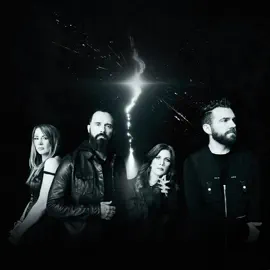
If you like your Christian music with the volume turned up, there’s a very good chance Skillet belongs on your playlist.
For more than two decades, Skillet has been bringing an unmistakable combination of hard-rock guitars, pounding drums, huge melodies, and faith-filled lyrics to listeners around the world. They’re the kind of band that can make you want to crank up the speakers while still giving you something meaningful to think about when the music settles down.
Skillet’s story stretches back to the 1990s, but their music has never been content to stay in one place. Albums like Collide, Comatose, Awake, and Rise helped establish the band as one of the biggest names in Christian rock, while songs such as “Monster,” “Hero,” “Rebirthing,” and “Feel Invincible” introduced Skillet to millions of listeners far beyond the traditional Christian music audience.
And that’s part of what makes Skillet such a fascinating artist to discover. Their music doesn’t fit neatly into the contemporary worship box—and it doesn’t need to. Skillet has demonstrated again and again that Christian music can be loud, heavy, dramatic, energetic, and unapologetically rock ‘n’ roll while still carrying messages of faith, hope, perseverance, and redemption.
So if Skillet isn’t already part of your musical world, turn it up and see what you’ve been missing. FishWorship is here to help you discover the songs, albums, and moments that make this band such an important part of Christian music.
🐟
🎬Featured Video
“Feel Invincible”
Sometimes a song doesn’t just make you want to turn up the volume. Sometimes it makes you want to stand up and fight. Skillet’s “Feel Invincible” is one of those songs.
Released as the lead single from Unleashed in 2016, “Feel Invincible” is Skillet at full power. The guitars hit hard, the drums sound enormous, and the chorus feels less like something you’re listening to and more like something you’re being invited to shout along with. It’s energetic, unmistakably rock, and impossible to sit still through—and that’s exactly the point.
But underneath all that adrenaline is a message about where our strength comes from when life knocks us down. The song’s language of fighting back, standing firm, and refusing to give in captures something that resonates deeply with faith: we don’t have to face the battles of life in our own strength. For Skillet frontman John Cooper, the ultimate source of that hope is his relationship with God.
The official video takes that same larger-than-life approach, putting the band in the middle of a dark, intense world of warriors, masked figures, and explosive performance footage. Released in June 2016, it has become one of Skillet’s defining videos—and it’s a pretty good demonstration of why this band has such a unique place in Christian music.
So go ahead. Turn it up. And when the world tells you that you’ve been knocked down for good, remember: sometimes the best response is to get back up.
🐟
🎵Essential Songs
“Monster”
Apple Music subscribers: Sign in above to hear the full song.
If you only know one Skillet song, there’s a pretty good chance it’s “Monster.” And if you don’t know it yet, well… you’re about to find out why this song became such a monster of a hit.
Released in 2009 on Awake, “Monster” takes the struggle with the darker parts of ourselves and turns it into nearly three minutes of absolutely ferocious rock. The growling vocals, pounding rhythm, and unforgettable chorus made it one of Skillet’s signature songs—and helped introduce the band to an audience far beyond Christian rock. Apple Music still lists “Monster” as Skillet’s top song.
But here’s where the song gets especially interesting. “Monster” isn’t really about some creature hiding in a closet. John Cooper has explained that the song came from a much more personal place: recognizing the thoughts, desires, and parts of ourselves that we don’t particularly want other people to see. He described it as confronting the “monster” inside and wanting to change.
And honestly, that’s a pretty powerful idea for a Christian rock song. We all have things we’d rather keep hidden. We all know what it’s like to look at something inside ourselves and think, “That’s not who I want to be.” Christianity doesn’t require us to pretend those things aren’t there. It points us toward the One who already knows what’s there—and loves us anyway.
So yes, “Monster” absolutely rocks. But underneath the distorted guitars and unmistakable Skillet growl is something much more human: the struggle to confront what’s inside us and become something different. That’s a pretty good reason to crank this one up.
🐟
“Hero”
Apple Music subscribers: Sign in above to hear the full song.
If “Monster” shows us the battle going on inside us, “Hero” asks a different question: Who are we going to turn to when we need someone to help us through the battle?
Released on Skillet’s Awake in 2009, “Hero” became one of the band’s defining songs. From its opening exchange between John Cooper and drummer Jen Ledger to that enormous, instantly memorable chorus, this is Skillet doing what Skillet does best—taking a serious message and wrapping it in enough rock ‘n’ roll to shake the walls.
But the song isn’t simply about wishing some superhero would swoop in and fix everything. John Cooper has explained that “Hero” was written around the idea of people needing hope, while also challenging us to stop waiting for someone else to stand up and do what’s right. In Cooper’s words, the song asks us to consider becoming a hero to someone who is hurting and desperately needs hope.
And there’s a distinctly Christian heart underneath all of that. When everything around us seems to be falling apart, we can be tempted to look for our rescue in people, circumstances, or our own ability to hold everything together. “Hero” points us toward something greater—and then turns around and reminds us that we can also be the person who brings encouragement, courage, and hope to somebody else.
That’s a pretty great combination: look to God for your strength, then be willing to become a source of strength for someone else. And, of course, do it with a ridiculous amount of guitar.
🐟
“Awake and Alive”
Apple Music subscribers: Sign in above to hear the full song.
There’s something about “Awake and Alive” that makes it feel less like a song you simply listen to and more like a declaration you make.
Released on Awake in 2009, the song captures the tension of trying to hold on to your faith when life is doing everything it can to wear you down. John Cooper described it as being about feeling like you’re falling under the weight of life’s stresses, while refusing to let the world take away your hope. For Cooper, the answer was to live what you believe and not be afraid to stand up for your faith.
And that’s what makes this song hit so hard. It begins in a place of struggle, but it doesn’t stay there. The music builds into a huge, defiant chorus that sounds like someone who has finally remembered where their strength comes from. It’s not pretending that the battle isn’t real. It’s choosing to stand anyway.
There’s also something wonderfully personal about the song. Cooper has said that he loved “Awake and Alive” from the beginning—even when others weren’t convinced it belonged on the record—and that the song represented what he believed. That’s a pretty good reminder for the rest of us: sometimes standing firm means knowing what you believe even when nobody else seems to understand why it matters.
Awake. Alive. Standing your ground. That’s Skillet at its best—and that’s a message worth turning up loud.
🐟
“Comatose”
Apple Music subscribers: Sign in above to hear the full song.
There are songs that make you want to turn up the volume, and then there are songs that make you stop and ask, “Wait a minute… am I actually awake?” Skillet’s “Comatose” manages to do both.
The title track from the band’s landmark 2006 album, “Comatose” is built around the idea that we can go through life spiritually and emotionally asleep—going through the motions without really seeing what is happening around us. John Cooper explained that the album’s central message was essentially a wake-up call: Christians shouldn’t simply retreat into their own world while people around them are hurting.
That gives the song a little more weight than its massive guitars and unforgettable chorus might suggest. “Comatose” isn’t about quietly accepting the world as it is. It’s about waking up, paying attention, and realizing that our lives are meant for something. There’s a challenge here for all of us: Are we really living, or are we just going through the motions?
And perhaps that’s why “Comatose” remains such an important Skillet song. It doesn’t simply entertain—it pokes us in the ribs and says, Wake up. Look around. There’s a world out there that needs you. Twenty years after its release, that message hasn’t gotten any less relevant.
🐟
“Rebirthing”
Apple Music subscribers: Sign in above to hear the full song.
Some songs are about making it through the battle. “Rebirthing” is about becoming someone new on the other side of it.
Released as the first single from Skillet’s Comatose in 2006, “Rebirthing” is one of the clearest expressions of the faith at the heart of Skillet’s music. John Cooper described the song as being about being born again—giving up the old life and coming out new.
And that idea gives the song its incredible sense of movement. It begins with the feeling of being trapped and suffocated, then builds toward the image of breaking out of a cocoon and discovering new life. The music follows right along, transforming that desperation into one of the biggest, most exhilarating choruses on Comatose.
But perhaps the most beautiful thing about “Rebirthing” is its message of second chances. Cooper has described the song as a message of hope for people who believe they’ve messed things up too badly to start over. The Christian message is even more profound: in Christ, the past doesn’t have to have the final word. God offers us new life.
That’s why “Rebirthing” still feels so powerful. It’s not merely a song about wanting to change. It’s a song about discovering that change is possible, hope is real, and a new beginning can start right now. And that’s a message worth turning the guitars up for.
🐟
“Whispers in the Dark”
Apple Music subscribers: Sign in above to hear the full song.
Somewhere between the pounding guitars and the dark atmosphere of “Whispers in the Dark” is one of Skillet’s most reassuring messages: you are not alone.
Released as the second single from Comatose in 2006, the song takes a very different approach to the subject of faith. Rather than simply telling us that God is with us, Skillet puts us inside the experience of feeling alone and afraid—and then answers that loneliness with the assurance that God hasn’t gone anywhere. John Cooper explained that the song was written from a spiritual perspective, imagining God speaking to someone who may not be able to see Him in the middle of difficult circumstances but can still know that He is there.
Musically, it’s classic Skillet: heavy guitars, a driving rhythm, and just enough atmosphere to make the song feel almost cinematic. But underneath all that intensity is something remarkably gentle. Comatose was an album deeply concerned with people waking up to a hurting world, and “Whispers in the Dark” takes that concern and brings it down to one person who simply needs to know that somebody is there.
And that’s a message worth holding onto. Sometimes faith doesn’t mean that the darkness disappears immediately. Sometimes it means discovering that God is present even when we can’t see Him, hear Him clearly, or understand what He’s doing.
So listen closely. The music may be loud, but the message is wonderfully simple: when the darkness comes, you are not alone.
🐟
“The Last Night”
Apple Music subscribers: Sign in above to hear the full song.
Some songs entertain us. Some songs encourage us. And then there are songs like “The Last Night” that remind us just how much a song can matter when someone is hurting.
Released on Comatose in 2006, “The Last Night” tackles an incredibly difficult subject: a young person who has been made to feel worthless and alone and is contemplating ending her life. John Cooper has explained that the song was inspired by the stories of hurting young people he encountered and his desire to give them a reason to hold on. He was initially unsure whether Christian radio would even play such a heavy song—but ultimately felt compelled to record it.
What makes the song so powerful is that it doesn’t pretend everything is fine. It meets someone right in the middle of the darkness and answers the lie that “nobody cares” with the opposite message: You matter. You are not alone. Your life has purpose. Cooper has specifically described the song as telling someone that God loves them and that their life was created for a reason.
And this is where “The Last Night” becomes much more than a great rock song. Sometimes the most important thing we can do for another person isn’t to have the perfect answer. It’s simply to stay. To listen. To remind someone that their story isn’t over and that tomorrow is worth reaching.
That’s a message worth shouting from the rooftops. And if one person hears this song at exactly the moment they need it, Skillet has done something far more important than making a hit record.
🐟
“Savior”
Apple Music subscribers: Sign in above to hear the full song.
There’s something beautifully honest about “Savior.” Beneath the heavy guitars and John Cooper’s unmistakable vocals is a song about finally admitting something we don’t always want to admit: we can’t do this life on our own.
Released on Collide in 2003, “Savior” came from a deeply personal place for Cooper. He described the song as being about recognizing that he couldn’t run from God or live independently of Him—that God was his strength and, ultimately, his everything.
That makes the song’s intensity especially fitting. Collide was built around the tension between faith and fear, and “Savior” takes that struggle right down to the personal level. What happens when everything we’ve been trying to hold together starts coming apart? What happens when we finally stop pretending that we’ve got all the answers?
We turn to our Savior.
And that’s what makes this such an important Skillet song for FishWorship. Christianity isn’t about pretending we’re strong enough to handle everything life throws at us. It’s about recognizing where our strength actually comes from. Sometimes the most courageous thing we can do is stop running, stop hiding, and simply say, “I need You.”
“Savior” may have been written more than twenty years ago, but that message hasn’t aged a bit. We need a Savior. And the good news is that we have one.
🐟
“Feel Invincible”
Apple Music subscribers: Sign in above to hear the full song.
There are songs that make you feel better. There are songs that make you want to get up and do something. And then there’s “Feel Invincible,” which sounds like somebody just plugged your soul into a giant amplifier.
Released as the lead single from Unleashed in 2016, “Feel Invincible” is Skillet in full-on anthem mode. The guitars are huge, the rhythm is relentless, and the chorus practically demands to be shouted along with. It’s no surprise that the song found its way into sports and other high-energy settings—but underneath all that adrenaline is a message about something much more important: finding the strength to face another day.
John Cooper explained that the song came from the experience of looking at a world filled with tragedy and fear and asking what gives us the courage to keep going anyway. For Cooper, that source of hope is his relationship with God. That’s an important distinction: “Feel Invincible” isn’t really about believing that we are invincible. It’s about discovering the One who gives us strength when we know we’re not.
And that’s a message FishWorship can get behind. Life is going to knock us down. Fear is going to show up. There will be days when we don’t feel particularly brave—or particularly strong. But we don’t have to face those days alone.
So crank this one up. Let the guitars do their thing. And when the chorus hits, remember where our real strength comes from. We may not be invincible—but with God beside us, we can face whatever comes next.
🐟
“The Resistance”
Apple Music subscribers: Sign in above to hear the full song.
There are times when standing up for what you believe means refusing to sit quietly on the sidelines. “The Resistance” is Skillet turning that idea into a full-volume anthem.
Released on Unleashed in 2016, the song is built around courage, faith, and the decision to rise above fear and apathy. John Cooper has explained that he wrote it during a time when he was seeing anger coming from all directions, but his goal wasn’t to add more anger to the noise. Instead, he wanted to express his own Christian response: love is the answer.
That makes the song especially interesting. “The Resistance” sounds like a battle cry—and musically, it absolutely is—but its ultimate message isn’t about attacking people who disagree with us. It’s about standing firm in what we believe while refusing to abandon love. Cooper has described the song as a call to rise up in love, respect people we disagree with, and be willing to speak for what we believe.
And then there’s that massive Skillet sound. The pounding rhythm, soaring chorus, and relentless energy make “The Resistance” feel like it could shake the walls—and that’s exactly what makes it such a great Skillet song. It’s not a quiet reminder to stand firm. It’s a marching anthem.
Have courage. Stand firm. Speak up. And never forget that love is stronger than anger. That’s a resistance FishWorship can get behind.
🐟
“Not Gonna Die”
Apple Music subscribers: Sign in above to hear the full song.
There are moments when life can leave us feeling completely beaten down—bent, broken, exhausted, and wondering how much more we can take. “Not Gonna Die” answers that feeling with one of Skillet’s most defiant declarations: we’re still here, and we’re not giving up.
Released on Rise in 2013, “Not Gonna Die” was actually the first song John Cooper wrote for the album, and he has called it his favorite rock song on the record. The song became a powerful anthem of hope and resilience, combining Skillet’s enormous rock sound with a message about refusing to surrender when life gets dark.
But there’s more happening here than simply fighting through a difficult day. Rise was conceived as a story about a young person coming to grips with faith in a chaotic world, and “Not Gonna Die” sits right in the middle of that struggle. The song moves from feeling broken and controlled toward freedom, truth, and taking your life back.
And that’s where this song really connects with the heart of FishWorship. Sometimes faith doesn’t make the battle disappear. Sometimes faith gives us the courage to keep fighting through it. When the world says, “Give up,” God gives us another reason to get back on our feet.
You may be bruised. You may be exhausted. You may feel like you’ve got nothing left. But your story isn’t over. Rise up. Hold on to what you believe. You’re not gonna die tonight.
🐟
“Surviving the Game”
Apple Music subscribers: Sign in above to hear the full song.
Sometimes surviving isn’t about winning every battle. Sometimes it’s simply about refusing to quit.
“Surviving the Game,” the opening track from Skillet’s 2022 album Dominion, came out of a difficult season for the world—and John Cooper wanted the song to sound like the opposite of surrender. He described it as a defiant response to fear, isolation, loneliness, depression, and the things that try to hold us down. His hope was that listeners would hear it as a rallying cry to get their lives back and become the people they were meant to be.
And Skillet certainly didn’t make that rallying cry quietly. The song starts with tension and uncertainty before exploding into the kind of massive, fist-in-the-air chorus that only Skillet seems capable of producing. Cooper has described that progression as moving from uncertainty and trepidation into “energy and life”—a musical picture of coming through the storm on the other side.
But there’s something deeper underneath all that defiance. The song draws on the Christian idea that our struggles aren’t ultimately fought in our own strength. Its message of being “more than a conqueror” echoes Romans 8:37, while the larger Dominion album centers on freedom from fear and standing firm in faith.
That’s a message FishWorship can get behind. Fear may be part of the game, but fear doesn’t get to write the ending. Sometimes faith looks like standing tall, taking the next step, and trusting God enough to keep going.
So turn this one up. Survive the storm. Find your courage. Keep moving forward.
🐟
💿Essential Albums
Collide
Apple Music subscribers: Sign in above to hear the full album.
Collide is where Skillet really starts to sound like the Skillet so many of us know today. Released in 2003, the band’s fifth studio album marked a significant shift toward a heavier, more aggressive rock sound, bringing together crushing guitars, passionate vocals, and a much bigger sonic presence.
But the title Collide isn’t just about the music. The album explores what happens when faith meets the real world—the place where our beliefs encounter disappointment, fear, suffering, and all the difficult circumstances that come with being human. Rather than pretending those struggles don’t exist, Collide asks a much more interesting question: How do we live out our faith when life gets messy?
And there is plenty here to discover. “Savior” became one of Skillet’s defining songs, while “Collide,” “A Little More,” “My Obsession,” “Fingernails,” and “Open Wounds” show just how much ground the band was beginning to cover. This is an album that can be loud and aggressive one moment and deeply vulnerable the next.
For anyone discovering Skillet today, Collide is worth hearing not simply because it’s an important album in the band’s history, but because this is where the collision really starts—heavy rock colliding with faith, doubt colliding with hope, and the struggles of everyday life colliding with the promise that God is still there.
And honestly? It makes one heck of a sound.
🐟
Comatose
Apple Music subscribers: Sign in above to hear the full album.
Comatose is the album that changed the trajectory of Skillet. Released in 2006, it took the heavier sound the band had developed on Collide and turned it into something bigger, sharper, and more accessible—massive guitars, pounding drums, soaring melodies, and lyrics that weren’t afraid to tackle some very real struggles.
But the title Comatose tells us something important about what Skillet was trying to say. This isn’t an album about literally being asleep; it’s a wake-up call. John Cooper explained that the message behind Comatose was essentially don’t sleep through this life—wake up and pay attention. There are people hurting around us, there are battles worth fighting, and faith isn’t meant to be something we simply tuck away while we go about our lives.
And what an album Skillet built around that idea. “Rebirthing,” “Comatose,” “Whispers in the Dark,” “The Last Night,” and “Better Than Drugs” all approach life from different angles, while the album moves comfortably between explosive rock anthems and surprisingly vulnerable moments. Comatose ultimately became Skillet’s commercial breakthrough, establishing the band as a major force in Christian rock while opening the door to an audience far beyond the Christian music world.
For FishWorship, Comatose is more than an important Skillet album. It’s a wake-up call set to one heck of a soundtrack. Turn it up, listen closely, and let Skillet remind you that life is too important to sleep through.
🐟
Awake
Apple Music subscribers: Sign in above to hear the full album.
If Comatose was Skillet’s wake-up call, Awake is what happened after the lights came on.
Released in 2009, Awake took the massive rock sound of its predecessor and pushed it even further. Huge guitars, pounding drums, soaring strings, unforgettable choruses—and a collection of songs that somehow manages to be both intensely personal and remarkably relatable. “Monster,” “Hero,” and “Awake and Alive” became three of the biggest songs in Skillet’s catalog, while songs like “Forgiven,” “Never Surrender,” and “One Day Too Late” explored some much more personal territory.
There’s also a fascinating connection between Comatose and Awake. John Cooper explained that the progression wasn’t really planned, but it makes perfect sense: Comatose was about waking up, while Awake asks the next question—now that you’re awake, what are you going to do about it? “Awake and Alive” captures that idea perfectly: don’t go through life asleep or afraid, but live what you believe and be willing to stand up for what’s right.
And that’s what makes Awake such an important Skillet album. It’s not just twelve songs about faith. It’s an album about facing yourself, facing the world, confronting the things that hurt, and deciding what you’re going to do with the life God has given you. Even the album artwork tells that story, depicting Cooper emerging from what looks like a coma—an image he later connected to being made alive in Christ.
For FishWorship, Awake is one of those albums that belongs in the Christian music essentials conversation without question. It’s loud, honest, hopeful, sometimes wounded, and completely unapologetic about faith. And if you’ve somehow never experienced “Monster,” “Hero,” and “Awake and Alive” at full volume, well… what are you waiting for?
🐟
Unleashed
Apple Music subscribers: Sign in above to hear the full album.
If Comatose was Skillet’s wake-up call and Awake was the moment the lights came on, Unleashed is what happens when you finally decide to let loose and live like you mean it.
Released in 2016, Unleashed finds Skillet leaning hard into the band’s arena-sized sound. The album is packed with pounding drums, giant guitars, electronic touches, soaring melodies, and the kind of choruses that seem specifically designed to be shouted by thousands of people at a concert. “Feel Invincible,” “Back From the Dead,” “Undefeated,” and “The Resistance” bring the full-throttle rock, while “Stars,” “Lions,” and “Watching for Comets” show that Skillet hasn’t forgotten how to slow things down and worship.
But underneath all that musical muscle is a familiar Skillet message: don’t let fear, pain, or the darkness around you have the final word.Unleashed repeatedly points toward courage, perseverance, spiritual freedom, and the strength that comes from knowing God is with us. Even “Back From the Dead,” with its larger-than-life imagery, uses the idea of coming back to life as a picture of spiritual rebirth and standing up for what matters.
And then there’s “Feel Invincible.” If you need a song that makes you want to run through a brick wall—or at least tackle Monday morning with considerably more enthusiasm—this is probably your song. But the deeper idea is more meaningful than simply feeling tough: our confidence doesn’t ultimately come from believing we’re invincible; it comes from knowing where our strength comes from.
Unleashed is polished, energetic, unapologetically Christian rock—and it’s a whole lot of fun. For FishWorship, that’s a pretty great combination. Sometimes you need a quiet worship song. Sometimes you need a song that makes you stop and think. And sometimes you just need Skillet to kick the door open and turn the amps all the way up.
🐟
Revolution
Apple Music subscribers: Sign in above to hear the full album.
By the time Skillet released Revolution in 2024, the band had already spent decades proving that Christian rock could fill arenas. But this album feels like a band that still has plenty to say—and plenty of volume left in the tank.
Revolution is Skillet’s twelfth studio album and their first independently released album. Across ten songs, the band delivers plenty of the arena-sized rock we’ve come to expect, but there’s also a sense of freedom and experimentation. “Unpopular,” “Not Afraid,” “Ash in the Wind,” and the title track bring the big guitars and huge choruses, while “Happy Wedding Day (Alex’s Song)” takes the band somewhere considerably more tender.
But don’t let the title fool you. This isn’t a political revolution. It’s a revolution of love. John Cooper has been very clear about that. The album’s central idea is a spiritual revolution built around faith, hope, freedom, and especially the command to love—even those we might consider our enemies. That’s a pretty different kind of revolution, and it’s one that fits beautifully with the heart of the Gospel.
There’s also something wonderfully appropriate about hearing Skillet tackle that message with this much musical force. Revolution doesn’t sound like a band slowing down after nearly three decades. It sounds like a band saying, “We’ve still got something to say. Now turn the guitars up.” And with songs ranging from the defiant “Unpopular” to the hopeful “Death Defier,” there’s plenty here for longtime fans and newcomers alike.
For FishWorship, that’s what makes Revolution such a fitting addition to Skillet’s essential albums. The revolution Skillet is calling for isn’t about tearing people down. It’s about choosing love, standing on faith, refusing to surrender hope, and living like those things actually matter. And if you’re going to deliver a message like that, doing it with a wall of guitars is certainly one way to get our attention.
Few Christian bands have had the staying power, influence, and unmistakable sound of the Newsboys. Since emerging from Australia in the 1980s, the band has become one of the most recognizable names in contemporary Christian music, combining energetic rock, memorable melodies, and unapologetically Christian lyrics. Through decades of changing musical styles and lineup changes, the Newsboys have continued to make music that invites listeners to celebrate their faith.
The Newsboys have also played an important role in bringing Christian music beyond the walls of the church. Songs such as “Shine,” “He Reigns,” “God’s Not Dead,” and “We Believe” have become familiar anthems to generations of Christian listeners. Their music often carries a joyful sense of confidence—music that doesn’t simply describe faith, but encourages listeners to live it out boldly.
What makes the Newsboys particularly noteworthy is their ability to connect worship, evangelism, and great rock music. Whether performing a high-energy concert or leading thousands of voices in worship, the band has consistently demonstrated that Christian music can be both musically compelling and spiritually meaningful. For longtime fans and listeners discovering them for the first time, the Newsboys remain an important part of the story of modern Christian music.
🐟
🎬Featured Video
“God’s Not Dead”
Few songs in modern Christian music have carried a message as direct and unmistakable as the Newsboys’ “God’s Not Dead.” With its driving rock sound and bold declaration of faith, the song became one of the defining anthems of the Newsboys’ Michael Tait era. Originally released on the band’s 2011 album God’s Not Dead, the song has continued to reach new generations of listeners long after its initial release.
The official music video captures that same sense of boldness. Set against the energy of New York City and scenes of the Newsboys performing, the video presents a simple contrast: the world may question or dismiss faith, but the Christian message remains alive. Rather than treating belief as something private or hidden, the Newsboys invite listeners to proclaim it openly and joyfully.
The song’s impact grew even larger when it became closely associated with the 2014 film God’s Not Dead. That connection introduced the Newsboys and their music to an entirely new audience, helping turn the song into an anthem for a new generation of Christian listeners. The Newsboys’ own official video has now accumulated well over 165 million YouTube views—a remarkable testament to the song’s enduring reach.
At its heart, “God’s Not Dead” isn’t complicated: Jesus is alive, and that truth is worth proclaiming. That’s precisely why the song works so well as our Featured Video for the Newsboys. It captures the band’s unmistakable combination of Christian conviction, energetic music, and a desire to encourage believers to live their faith boldly.
🐟
🎵Essential Songs
“Shine”
Apple Music subscribers: Sign in above to hear the full song.
“Shine” is one of the songs that helped establish the Newsboys as a major force in Christian rock. Released in 1994 on Going Public, the song arrived during the band’s Peter Furler era and quickly became one of their signature songs. Going Public was produced by Steve Taylor and Peter Furler, and “Shine” was written by Taylor and Furler.
What makes “Shine” so memorable is the way it combines a serious spiritual message with an almost mischievous sense of humor. The lyrics challenge Christians to let the change Jesus has made in their lives become visible to the people around them. Rather than presenting faith as something to keep hidden, the song asks believers to live in such a way that people can’t help but notice that something is different.
Musically, “Shine” captures the energetic, playful sound that made the Newsboys stand out in the 1990s. It became a major Christian radio hit, reaching No. 1 on the Christian CHR chart, and the song’s music video was directed by Steve Taylor. The song also earned the Newsboys a Dove Award for Rock Recorded Song of the Year, while Going Public received the Dove Award for Rock Album of the Year.
More than three decades later, “Shine” still feels remarkably relevant. Its message isn’t complicated: if Jesus has changed your life, don’t hide it. Let it shine. That’s a message that fits the heart of FishWorship beautifully—and it’s one reason “Shine” belongs near the top of any list of essential Newsboys songs.
🐟
“Breakfast”
Apple Music subscribers: Sign in above to hear the full song.
“Breakfast” may be one of the most delightfully unusual songs in the Newsboys catalog. Released on Take Me to Your Leader in 1996, the song became one of the band’s signature early hits, following the breakthrough success of “Shine.” It is a wonderfully quirky example of the Newsboys’ ability to combine infectious pop-rock with lyrics that don’t sound quite like anything else on Christian radio.
The song is built around an eccentric premise: friends gather around the breakfast cereal of a recently deceased friend. That strange setup is part of what makes “Breakfast” so memorable. Rather than delivering its message with the seriousness listeners might expect from a Christian song, the Newsboys use humor, wordplay, and an almost surreal story to create something that is both genuinely catchy and unmistakably theirs.
There is also a wonderful communal quality to the recording. Peter Furler provides the lead vocal, while Phil Joel and crowds of Newsboys fans from Milwaukee, Stillwater, Oklahoma, and Ottumwa, Iowa contributed backing vocals. Those crowd vocals help give the song the feel of a celebration rather than simply another studio recording.
“Breakfast” is a great reminder that Christian music doesn’t have to sound predictable to be meaningful. The Newsboys were willing to be funny, energetic, creative, and a little strange—and audiences responded. More than 30 years later, “Breakfast” remains one of the songs that instantly brings the classic Newsboys sound to mind, and it absolutely belongs among the band’s essential songs.
🐟
“Take Me To Your Leader”
Apple Music subscribers: Sign in above to hear the full song.
The title track from the Newsboys’ 1996 album Take Me to Your Leader is a terrific example of the band’s ability to make a serious spiritual message sound like an irresistible pop-rock anthem. Written by Steve Taylor and Peter Furler, the song uses a playful phrase familiar from science-fiction movies and cartoons and turns it into something much more meaningful: a declaration that Jesus is the One to whom we should ultimately point.
Musically, the song represented a step forward for the Newsboys. Peter Furler later described developing a distinctive groove for the recording rather than relying on the sequencers and loops the band had used previously. The result is energetic, rhythmic, and immediately recognizable as Newsboys. The song reached No. 1 on the Christian CHR chart, making it another major hit in a remarkable run for the band.
The song also captures something particularly appealing about the classic Newsboys: they weren’t afraid to have fun while talking about Jesus. The title is clever, the music is infectious, and the message underneath it is surprisingly direct. In the band’s own description, the song is about being out in the world and being a light to others.
Released on February 20, 1996, Take Me to Your Leader became one of the defining albums of the band’s classic era, and its title track remains one of the songs that helped establish the Newsboys as one of Christian music’s most distinctive and successful rock bands.
🐟
“He Reigns”
Apple Music subscribers: Sign in above to hear the full song.
“He Reigns” is one of the Newsboys’ most powerful declarations of worship. Rather than focusing on one particular place or group of believers, the song paints a picture of God’s people around the world lifting their voices together. Its vision stretches from Africa to Asia, from great cathedrals to believers gathering in less visible places, ultimately bringing everyone together in one celebration of God’s sovereignty.
That global perspective is what gives “He Reigns” its remarkable sense of scale. The song isn’t simply saying that Christians worship God; it imagines all God’s children singing together. Every tribe, tongue, and nation has a place in the chorus. It’s a beautiful picture of the Church as something much larger than any individual congregation, denomination, or culture.
The song also carries a sense of defiance. Even in a world where darkness, suffering, and opposition are very real, the worship of God’s people cannot be silenced. The repeated declaration that He reigns becomes more than a lyric—it becomes a statement of confidence. Circumstances may change, but God’s authority does not.
“He Reigns” eventually became one of the Newsboys’ signature worship songs and remains a wonderful example of what the band could do when its energetic rock identity was placed in service of a straightforward message of faith. It is joyful, expansive, and deeply congregational—and it belongs among the essential Newsboys songs because it reminds us that worship isn’t merely about singing to God. Sometimes it is also about joining millions of other believers in proclaiming together who He is.
🐟
“It Is You”
Apple Music subscribers: Sign in above to hear the full song.
“It Is You” is one of the most beautiful worship songs in the Newsboys catalog, and it represents a particularly important moment in the band’s evolution. Released on the 2002 album Thrive, the song was written by Newsboys frontman Peter Furler and became one of the band’s best-known worship songs.
There is a simplicity to “It Is You” that gives the song its power. Rather than trying to explain every aspect of Christian faith, it focuses the listener’s attention on the One being worshiped. The song moves from an invitation to worship into a declaration of God’s holiness, creating the feeling of a congregation gradually joining together in praise.
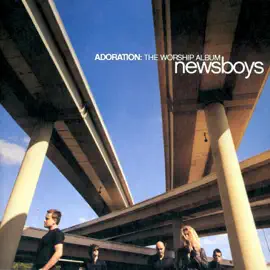
“It Is You” also helped demonstrate that the Newsboys could move naturally between their energetic Christian-rock identity and genuine congregational worship. The song was subsequently given a live treatment on Adoration: The Worship Album, the band’s first album devoted entirely to worship. That live version stretches beyond six minutes, emphasizing the song’s ability to become something larger than a radio single when sung collectively.
More than two decades later, “It Is You” remains one of the songs that best captures the worshipful side of the Newsboys. It isn’t flashy, complicated, or dependent on a clever hook. Its strength comes from where it directs our attention: away from ourselves and toward God. That’s exactly the kind of song that deserves a place among the essential Newsboys recordings.
🐟
“Your Love Never Fails”
Apple Music subscribers: Sign in above to hear the full song.
“Your Love Never Fails” is a wonderful example of the Newsboys’ ability to take a familiar worship song and give it their own unmistakable pop-rock treatment. The song appeared on the 2011 album God’s Not Dead, an album that helped establish the Michael Tait era of the Newsboys and followed the success of Born Again. It was also released as a single and became one of the band’s best-known songs from this period.
At the heart of the song is a remarkably reassuring message: God’s love doesn’t change when our circumstances do. We may stumble, run away, face uncertainty, or find ourselves in situations that seem impossible to overcome, but God’s character remains constant. The song’s movement from struggle toward confidence gives it a particularly encouraging quality—it acknowledges that life can be difficult without allowing difficulty to have the final word.
The Newsboys’ arrangement brings a bright, energetic quality to that message. Rather than treating the song as a quiet ballad, they turn it into an exuberant declaration of praise. Their version was distinctive enough to become a significant Newsboys hit, reaching No. 7 on the Christian Airplay chart.
“Your Love Never Fails” ultimately points us toward one of the simplest and most comforting truths of the Christian faith: God’s love is not dependent upon our perfection or our circumstances. When everything around us seems to be changing, He remains the same. That’s a message worth singing—and a message that makes this song an easy choice for the Newsboys’ Essential Songs list.
🐟
“God’s Not Dead (Like a Lion)”
Apple Music subscribers: Sign in above to hear the full song.
“God’s Not Dead (Like a Lion)” is one of the most recognizable songs in the modern Newsboys catalog. Released in 2011 as the lead single from the album God’s Not Dead, the song was written by Daniel Bashta and originally recorded as “Like a Lion” by Passion with David Crowder. The Newsboys took that worship song and gave it their own driving, rock-oriented treatment, with Michael Tait on lead vocals and Kevin Max providing guest vocals.
The result was much more than another successful Christian single. “God’s Not Dead (Like a Lion)” became a declaration of faith—a song built around the confidence that God is alive, present, and at work in His people. Its language of resurrection, freedom, hope, and revival gives the song an almost explosive quality. When the chorus arrives, it feels less like a private statement of belief and more like a crowd of believers proclaiming their faith together.
The song’s impact was extraordinary. It reached No. 2 on Billboard’s Hot Christian Songs chart and eventually became the Newsboys’ first RIAA Platinum-certified single, representing more than one million units. Its connection with the 2014 film God’s Not Dead brought the song to an even larger audience, and it became closely identified with the film and the broader cultural movement surrounding it.
But underneath all the chart success, movie appearances, and cultural recognition is something much simpler: a proclamation that God is alive. That’s why “God’s Not Dead (Like a Lion)” belongs among the essential Newsboys songs. It is bold without being complicated, energetic without losing its worshipful character, and ultimately points listeners toward the living God at the center of the Christian faith.
🐟
“Born Again”
Apple Music subscribers: Sign in above to hear the full song.
“Born Again” is more than the title of a Newsboys album—it is a declaration of new life in Christ. Released as a single in 2010, the song became the first original Newsboys recording to feature Michael Tait as the band’s new lead vocalist. Tait, formerly of dc Talk, brought a powerful new voice to the group, making “Born Again” an important introduction to a new era of the Newsboys.
The timing makes the song particularly fitting. The Newsboys themselves were experiencing something of a rebirth. Peter Furler had stepped away from the band’s demanding touring schedule after more than two decades, and Tait was stepping into one of Christian music’s most recognizable frontman positions. Rather than allowing that change to define the band as something they had lost, “Born Again” points toward what God can do with a new beginning.
Musically, the song carries the confident, contemporary Christian-rock sound that characterized the Tait-led Newsboys. Its message is equally direct: following Jesus isn’t simply about adopting a new set of beliefs or making a few improvements to an old life. It is about becoming new. That makes the song’s title especially powerful—not merely as a description of Christian conversion, but as a reminder that God specializes in giving people a fresh start.
“Born Again” also proved that the Newsboys could successfully enter a new era without abandoning the faith-centered identity that had made the band so influential. The album debuted at No. 4 on the Billboard 200 and became the band’s fourth No. 1 Christian album.
For FishWorship, “Born Again” belongs among the Newsboys’ essential songs because it tells two stories at once: the story of a person made new through Christ, and the story of a band beginning a remarkable new chapter. Both are reminders that sometimes a new beginning isn’t an ending at all—it’s an opportunity to discover what God has planned next.
🐟
“We Believe”
Apple Music subscribers: Sign in above to hear the full song.
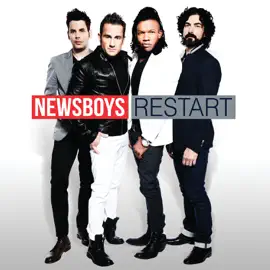
“We Believe” is one of the clearest expressions of what the Newsboys have always done particularly well: take the fundamental truths of the Christian faith and turn them into an anthem that thousands of people can sing together. Released in 2013 on Restart, the song became one of the defining recordings of the Michael Tait era and eventually became the Newsboys’ longest-running No. 1 single.
The song is essentially a musical confession of faith. Rather than telling a story, “We Believe” moves through the central claims of Christianity—God the Father, Jesus Christ, His death and resurrection, the Holy Spirit, forgiveness, and the hope of eternal life. The repeated declaration of “We believe” gives the song its power. It isn’t merely one singer describing what he believes; it invites an entire congregation to stand together and say, This is what we believe.
That communal quality became a major part of the song’s appeal. The Newsboys themselves described it as a “creed” for what Christians believe, and its impact at Christian radio was immediate. In 2014, the song generated the biggest add week in the band’s history at the time, with 64 Christian radio stations adding it to their playlists.
The official music video reinforces that communal spirit, showing the Newsboys performing the song together in an empty church. Released in May 2014 through the band’s official YouTube channel, the video has accumulated tens of millions of views.
For FishWorship, “We Believe” may be one of the most important Newsboys songs to include because it captures something larger than the band itself. It is an invitation for believers to remember what unites us. In a world filled with competing voices, the Newsboys give us a simple, confident declaration: we believe in the Father, the Son, the Holy Spirit, the resurrection, and the hope we have in Jesus Christ.
🐟
“That’s How You Change the World”
Apple Music subscribers: Sign in above to hear the full song.
“That’s How You Change the World” takes a wonderfully different approach to the idea of changing the world. Rather than imagining that we need to accomplish something enormous or become famous to make a difference, the Newsboys point us toward something much more ordinary—and much more Christlike. Released on the band’s 2013 album Restart, the song was written by Justin Ebach, Nate Sallie, and Sam Tinnesz.
The heart of the song is a challenge to notice the people right in front of us. A hurting person, a kind word, a simple smile, a prayer when nobody is watching, or a hand reaching out to someone who is struggling may not look like world-changing events. But the Newsboys suggest that this is precisely how God’s kingdom often works: small acts of love can become something much greater than we ever see.
That message fits beautifully with the Christian calling to love our neighbors. We don’t have to wait until we have influence, money, a platform, or some grand opportunity to serve God. Sometimes changing the world begins with simply being willing to see someone who needs encouragement and then doing something about it. The song turns that ordinary faithfulness into an inspiring picture of Christian discipleship.
Musically, “That’s How You Change the World” fits the polished, energetic sound of Restart, Michael Tait’s third album as the Newsboys’ lead vocalist. Apple Music specifically highlighted the song among the album’s standout tracks, describing its sound as part of the record’s energetic, contemporary approach.
For FishWorship, this song carries a message worth remembering: we don’t have to do something extraordinary to be used by God. A prayer, an act of kindness, an encouraging word, or a willingness to reach out to someone who is hurting can become a spark that lights the darkness. That’s how you change the world.
🐟
“Magnetic”
Apple Music subscribers: Sign in above to hear the full song.
“Magnetic” is a powerful reminder that God’s love doesn’t give up on us. Released in 2021 as the lead single from the Newsboys’ STAND project, the song marked the band’s return with new music after more than two years away from the studio. Michael Tait described the song’s central idea as the way God’s love and mercy continually draw us back to Him—even when we try to pull away.
That idea gives “Magnetic” its emotional heart. The song begins with an honest picture of the struggles that can weigh on us—fear, worry, hurt, doubt, and the feeling that we’ve lost our way. But the Newsboys don’t leave us there. God’s love is portrayed as a force that keeps drawing us back, patiently reminding us that we are never beyond His reach.
The imagery is especially effective because it doesn’t suggest that God’s love merely waits for us to return. It pursues us. Like gravity, it keeps pulling us back; like a magnetic force, it continues to draw us toward Him. The result is a song about grace that feels both deeply personal and wonderfully encouraging.
“Magnetic” also represents an important chapter in the Newsboys’ continuing story. The recording was made by the Michael Tait-led lineup of the band, and the official music video was released through the Newsboys’ Official Artist Channel in June 2021.
For FishWorship, “Magnetic” belongs among the Newsboys’ essential songs because its message reaches beyond nostalgia or musical history. We all have moments when our faith feels weaker than our doubts. “Magnetic” reminds us that even then, God’s love is still reaching for us—and He isn’t finished with us yet.
🐟
“Heaven on Earth”
Apple Music subscribers: Sign in above to hear the full song.
“Heaven on Earth” shows the Newsboys continuing to look forward rather than simply celebrating their remarkable history. Released in 2024, the song became the title track of Worldwide Revival (Part 1) and was later included on the expanded Worldwide Revival (Deluxe). It represents the band’s continuing desire to make music that calls people toward Jesus and toward a deeper experience of the Holy Spirit.
The song is built around a simple but powerful prayer: that God’s presence and power would be experienced here and now. Rather than treating heaven as something that matters only after this life, “Heaven on Earth” looks at the possibility of God’s kingdom breaking into our ordinary lives—through revival, worship, changed hearts, and people coming to know Jesus.
The song draws heavily on the events of Acts 2, recalling the Holy Spirit coming upon the disciples, the tongues of fire, and the thousands who responded to the Gospel. That biblical foundation gives the song an unmistakable sense of expectation. The Newsboys aren’t simply singing about revival as something that happened in the past; they’re crying out for God to move again.
There is also an important connection to the band’s current chapter. Adam Agee has explained that the concept behind Worldwide Revival grew from the idea that believers don’t have to wait for eternal life to experience something of heaven’s reality—they can begin experiencing God’s presence, peace, and kingdom here and now through faith in Jesus.
That makes “Heaven on Earth” a fitting addition to the Newsboys’ Essential Songs. After decades of making music about Jesus, the band is still asking the same fundamental question: What would happen if we invited God to move among us right now? It is a song of worship, expectation, and revival—and a reminder that the story God began in Acts is not merely history. He is still at work today.
🐟
💿Essential Albums
Going Public
Apple Music subscribers: Sign in above to hear the full album.
Released in 1994, Going Public was the album that firmly established the Newsboys as one of the leading bands in Christian rock. Produced by Steve Taylor and Peter Furler, the ten-song album combined energetic rock, infectious melodies, clever songwriting, and a distinctly Christian message. It also introduced listeners to what would become one of the band’s most recognizable songs: “Shine.”
“Shine” is certainly the centerpiece, but Going Public is much more than the album that gave the Newsboys a hit. Songs such as “Spirit Thing,” “Let It Rain,” “Be Still,” “Real Good Thing,” and “Truth and Consequences” demonstrate the band’s ability to move between exuberant pop-rock, worship, humor, and more reflective expressions of faith. The album’s ten tracks created a sound that was energetic and accessible without sacrificing its Christian identity.
The album’s impact was recognized almost immediately. Going Public won the 1995 Dove Award for Rock Album of the Year, while “Shine” won Rock Recorded Song of the Year. The album was also nominated for a Grammy for Best Rock Gospel Album.
More than three decades later, Going Public remains an important piece of Christian music history. It captured the Newsboys at a pivotal moment—Peter Furler was becoming an increasingly important creative force within the band, while John James was still serving as the primary lead vocalist—and established a musical identity that would help carry the Newsboys through many different eras to come.
If you’re discovering the Newsboys for the first time, Going Public is an excellent place to start. This is where the Newsboys didn’t just have a hit—they became the Newsboys that an entire generation of Christian music fans would come to know.
🐟
Take Me to Your Leader
Apple Music subscribers: Sign in above to hear the full album.
Released in 1996, Take Me to Your Leader is one of the defining albums of the Newsboys’ classic era. Produced by Steve Taylor and Peter Furler, the album followed the enormous success of Going Public and showed that the band’s creative momentum was only beginning. From the quirky “Breakfast” to the infectious title track and the bold declaration of “God Is Not a Secret,” the album is filled with the energetic, imaginative Christian rock that made the Newsboys so distinctive.
The album is also an important crossroads in the band’s history. It was the final Newsboys album to feature John James as lead vocalist and the first to feature Phil Joel, who would become an important part of the band’s identity for years to come. Peter Furler’s growing influence as a songwriter and producer is also evident throughout the record, helping establish the sound that would carry the Newsboys into the late 1990s and beyond.
There is a wonderful sense of personality running through the album. “Breakfast” is playful and unconventional, “Take Me to Your Leader” turns a familiar science-fiction phrase into a clever Christian declaration, and “God Is Not a Secret” delivers a much more direct statement of faith. The album never seems afraid to be creative, energetic, or even a little weird—and that willingness to be unmistakably Newsboys is a big part of its charm.
The record was also recognized well beyond Christian radio. Take Me to Your Leader received a Grammy nomination for Best Rock Gospel Album, while the Newsboys won a 1997 Dove Award for the album’s innovative packaging. The album itself was also nominated for Rock Album of the Year, while “God Is Not a Secret” received a Rock Recorded Song nomination.
For anyone wanting to understand why the Newsboys became one of the defining bands of Christian rock, Take Me to Your Leader is essential listening. It’s energetic, creative, unmistakably Christian, and unmistakably Newsboys—and it captures a band discovering just how far its music could go.
🐟
Step Up to the Microphone
Apple Music subscribers: Sign in above to hear the full album.
Released in 1998, Step Up to the Microphone represents one of the most important turning points in the Newsboys’ remarkable history. Following the departure of longtime lead vocalist John James, drummer Peter Furler stepped out from behind the drum kit and took over as the band’s frontman. Rather than simply trying to replace what the Newsboys had lost, Furler and the rest of the band used the moment to create something new.
The result was an album filled with the energy, humor, and melodic hooks that had become trademarks of the Newsboys, but with a noticeably different personality. “WooHoo,” “Step Up to the Microphone,” “Believe,” “Hallelujah,” and “Entertaining Angels” all demonstrate the band’s ability to blend pop, rock, electronic textures, and an unmistakably Christian message. “Entertaining Angels” became the album’s signature hit and went on to win multiple awards, including the 1999 Dove Award for Short Form Video of the Year.
The album’s title carries a meaning that goes beyond the change in the band’s lineup. “Step Up to the Microphone” is ultimately a challenge to believers to speak up about what they believe. The Newsboys took that message seriously themselves: they were facing an uncertain future, stepped forward together, and produced an album that proved the band could thrive in a new era. Step Up to the Microphone ultimately reached No. 1 on the Christian album chart and was certified Gold.
For FishWorship, this album belongs among the Newsboys’ essentials because it captures something bigger than a collection of great songs. Sometimes God puts us in a position where we have to step forward, trust Him, and discover what comes next. In 1998, the Newsboys stepped up to the microphone—and the result became one of the defining chapters in their story.
🐟
Thrive
Apple Music subscribers: Sign in above to hear the full album.
Released in 2002, Thrive was the Newsboys’ ninth studio album and one of the defining records of the band’s Peter Furler era. Produced by Furler, Steve Taylor, and Joe Baldridge, the album brought together the band’s familiar pop-rock energy with more adventurous production, bigger guitars, electronic textures, and a growing emphasis on worship. The result was a record that sounded contemporary without abandoning the personality that had made the Newsboys one of Christian music’s most successful bands.
The album’s best-known song, “It Is You,” became one of the Newsboys’ signature worship songs and helped introduce the band to listeners who might not have otherwise considered them a worship band. “Million Pieces (Kissin’ Your Cares Goodbye)” and “Lord (I Don’t Know)” demonstrate the other side of Thrive, with the band’s characteristic combination of strong hooks, thoughtful lyrics, and energetic production.
What makes Thrive particularly significant is that the Newsboys were no longer simply trying to prove themselves. By this point, they had already established an extraordinary track record. Thrive instead sounds like a band confident enough to experiment and mature. Christianity Today named it one of its Top 12 Christian Albums of 2002, calling it the band’s best work since Take Me to Your Leader and noting the remarkable success of “It Is You.”
The album also became part of a remarkable period for the Newsboys. They followed its release with a concert filmed at Cleveland’s Rock and Roll Hall of Fame, and a special edition of Thrive later included that live performance. The concert featured songs from throughout their history alongside most of the Thrive material, demonstrating just how naturally the new songs fit into the band’s established catalog.
For FishWorship, Thrive belongs among the Newsboys’ Essential Albums because it captures a band at an important creative peak. They weren’t simply repeating what had worked before—they were growing, experimenting, worshiping, and challenging themselves to make something better. And in “It Is You,” they produced a song that would ultimately become one of their most enduring contributions to Christian worship music.
🐟
Adoration: The Worship Album
Apple Music subscribers: Sign in above to hear the full album.
Released in 2003, Adoration: The Worship Album was a significant departure for the Newsboys. Following the success of Thrive and the enormous response to “It Is You,” the band devoted an entire album to worship for the first time. Produced by Peter Furler and Steve Taylor, Adoration combines original Newsboys worship songs with fresh interpretations of familiar songs such as “You Are My King (Amazing Love),” “Great Is Your Faithfulness,” and “In Christ Alone.”
The album opens with “He Reigns,” one of the Newsboys’ most recognizable worship anthems, and continues through a mixture of joyful praise, intimate worship, and reflective songs. “Adoration” and “Father, Blessed Father” give the album a distinctly personal character, while “In Christ Alone” and “You Are My King” demonstrate the band’s ability to take well-loved worship songs and make them their own. The album even revisits “It Is You” in a live recording, connecting Adoration directly to the song that helped inspire this new chapter for the band.
What makes Adoration especially significant is that the Newsboys didn’t simply slow down and make a quiet worship record. They brought their own musical personality to the project while making worship the central purpose of the album. The result became one of the band’s most successful releases, reaching No. 1 on the Christian album charts and No. 33 on the Billboard 200.
For FishWorship, Adoration: The Worship Album belongs among the Newsboys’ Essential Albums because it demonstrates something important about the band’s legacy: the Newsboys were never merely a Christian rock band that happened to sing about Jesus. They understood that their music could also become an avenue for people to worship Him. With Adoration, the band stepped fully into that calling—and produced one of the most enduring worship projects of its career.
🐟
God’s Not Dead
Apple Music subscribers: Sign in above to hear the full album.
Released in 2011, God’s Not Dead was the Newsboys’ 15th studio album and their second full-length album with Michael Tait as lead vocalist. Coming after the successful Born Again, the album confirmed that the Newsboys were not simply surviving the departure of Peter Furler—they were entering a new chapter of their story. The record reached No. 1 on the Billboard Christian Albums chart and became one of the defining releases of the Tait era.
The album is primarily a worship project, combining original material with fresh interpretations of contemporary worship songs. Alongside the title track are songs such as “The King Is Coming,” “Here We Stand,” “Your Love Never Fails,” “Revelation Song,” and “I Am Second.” The combination allowed the Newsboys to retain their energetic pop-rock character while placing worship at the center of the record. Christianity Today particularly highlighted “The King Is Coming,” “God’s Not Dead (Like a Lion),” and “I Am Second.”
Of course, the album’s title track became something much larger than an ordinary Christian-rock single. “God’s Not Dead (Like a Lion),” originally written by Daniel Bashta, was transformed by the Newsboys into a massive proclamation of faith. The song eventually became RIAA Platinum certified, and its association with the 2014 film God’s Not Dead introduced it—and the Newsboys—to an even broader audience.
There is also something significant about the album’s timing. The Newsboys had just undergone one of the biggest personnel changes in their history, yet God’s Not Dead doesn’t sound like a band apologizing for what it has become. It sounds like a band confidently moving forward. Michael Tait’s powerful vocals, the band’s polished rock production, and the album’s emphasis on worship created a sound that was recognizably Newsboys while also distinctly different from the Peter Furler years.
For FishWorship, God’s Not Dead belongs among the Newsboys’ Essential Albums because it represents both a new beginning and an unmistakable declaration of faith. The Newsboys had already spent decades proclaiming the Gospel through music, but this album gave them a song that would become an anthem for an entirely new generation: God is not dead. He is alive, and He is still worthy of our praise.
🐟
United
Apple Music subscribers: Sign in above to hear the full album.
Released in 2019, United is one of the most unusual and meaningful albums in the Newsboys’ history. The project brought together former members Peter Furler and Phil Joel with Michael Tait, Duncan Phillips, Jeff Frankenstein, and Jody Davis. For longtime Newsboys fans, it was an extraordinary opportunity to hear voices from different eras of the band working together on a new collection of songs.
The album opens with “Greatness of Our God,” immediately establishing the worship-centered character of United. “Symphony” provides another highlight, particularly because it allows Tait and Furler to share vocals, while “Love One Another,” featuring former dc Talk member Kevin Max, brings a little of the band’s playful pop-rock personality into the project. Other standout tracks include “Never Setting Sun,” “This I Know,” “Only the Son (Yeshua),” and “Set Me Ablaze.”
What makes United especially compelling, however, is the idea behind the title. This wasn’t simply a reunion for nostalgia’s sake. The album brought together musicians who had been part of very different chapters of the Newsboys’ story and placed them alongside one another in a common musical and spiritual purpose. Michael Tait’s voice and Peter Furler’s unmistakable vocals don’t erase their differences—they complement one another. That makes the album feel like a celebration of the band’s entire journey rather than an attempt to recreate the past.
The response demonstrated just how much that history still mattered. United debuted at No. 1 on the Billboard Christian Albums chart and reached the Top 20 of the Billboard 200. The preceding Newsboys United tour was also remarkably successful, with sellout performances helping demonstrate the enthusiasm surrounding the reunion.
For FishWorship, United belongs among the Newsboys’ Essential Albums because its message extends beyond the music itself. Different eras, different voices, different personalities—and yet united around the same Jesus. That’s a pretty fitting description not only of this remarkable Newsboys project, but of what Christian music can accomplish at its best.
Kirk Franklin is one of the most influential and recognizable figures in contemporary Christian music. With a career spanning more than three decades, he has helped redefine what gospel music can sound like, bringing together traditional gospel, contemporary Christian music, hip-hop, R&B, and soul in a way that has reached audiences far beyond the traditional church.
From the groundbreaking success of Kirk Franklin & The Family to the many chart-topping albums and singles that followed, Franklin has consistently used music to tell stories of faith, struggle, redemption, and hope. His energetic arrangements, powerful choirs, and unmistakable production style have made him a defining voice in modern gospel music—and an artist whose influence can be heard throughout today’s Christian music landscape.
Whether leading a choir, collaborating with other major artists, or stepping into the spotlight himself, Kirk Franklin has never been afraid to push gospel music in new directions. His catalog offers a fascinating journey through the evolution of contemporary gospel, with songs that can be celebratory and joyful one moment and deeply personal and reflective the next.
For anyone discovering Christian music, Kirk Franklin’s work is an important part of the story. His music demonstrates that gospel can honor its roots while continuing to evolve, connect with new generations, and carry a message of faith to an ever-widening audience.
🐟
🎬Featured Video
“I Smile”
There is something wonderfully disarming about Kirk Franklin’s “I Smile.” The song doesn’t pretend that life is always easy. Instead, it begins from the recognition that we can be hurting, discouraged, or struggling and still choose to hold on to hope. Released on Franklin’s 2011 album Hello Fear, “I Smile” became one of his signature songs and one of the most recognizable celebrations of joy in contemporary gospel music.
The official video brings that message to life with the energy and personality that have always been part of Franklin’s music. It’s bright, colorful, joyful, and full of people simply enjoying the moment. But underneath all that celebration is a much deeper message: our circumstances don’t have to have the final word. Faith can give us a reason to smile even when everything around us says that we shouldn’t.
That’s what makes “I Smile” such a fitting introduction to Kirk Franklin. His music has often lived at the intersection of gospel tradition and contemporary culture, and this song captures that approach beautifully. It’s catchy enough to make you want to move, but its message is ultimately about perseverance, gratitude, and trusting that God is still at work.
And perhaps that’s the best reason to feature it here: sometimes a Christian song doesn’t need to solve all of life’s problems. Sometimes it simply needs to remind us that there is still a reason to smile.
🐟
🎵Essential Songs
“Why We Sing”
Apple Music subscribers: Sign in above to hear the full song.
“Why We Sing” is a fitting introduction to Kirk Franklin because, before asking us to listen to the music, Franklin asks a more fundamental question: Why do we sing? Released in 1993 on Kirk Franklin & The Family, the song became one of Franklin’s signature recordings and helped establish the young artist as a distinctive new voice in gospel music.
Franklin’s answer is beautifully simple. Singing is an expression of joy, freedom, gratitude, and faith—not merely a performance. The song acknowledges that worship can sometimes come with tears, even when nothing is necessarily wrong. Its central message draws on the beloved hymn His Eye Is on the Sparrow, connecting Franklin’s contemporary gospel sound to a much older tradition of trusting in God’s care.
Musically, the song demonstrates something that would become central to Franklin’s career: the ability to take the energy and communal spirit of gospel choir music and present it with a contemporary sensibility. The recording’s repeated refrain gives the Family an opportunity to build the song collectively, while Franklin’s lead vocal adds an exuberant, conversational quality. Contemporary coverage noted the unusual combination of the large choir, rhythmic drive, and Franklin’s improvisational vocal style.
Perhaps most importantly, “Why We Sing” doesn’t present worship as something performed for an audience. It presents singing as testimony. The song ultimately looks beyond the moment of the performance itself, imagining a faith that continues even after the music stops. That’s a powerful idea—and a particularly appropriate one for a song about Christian music: the singing is not the destination. The One we are singing about is.
🐟
“Melodies from Heaven”
Apple Music subscribers: Sign in above to hear the full song.
“Melodies from Heaven” is one of Kirk Franklin’s earliest and most enduring songs, appearing on Whatcha Lookin’ 4 in 1995. Written by Franklin and performed with The Family, the song became one of the defining recordings of his early career. Whatcha Lookin’ 4 itself went on to become a major success, earning Franklin his first Grammy, with “Melodies from Heaven” specifically recognized as the album’s Grammy-winning hit.
The song’s message is remarkably uncomplicated: a longing for God’s presence, comfort, and Spirit. Rather than telling a detailed story, Franklin builds the song around a prayerful image of heavenly melodies raining down upon us. The repeated phrases give the song an almost meditative quality, while the warmth and power of The Family’s vocals turn that personal prayer into a communal experience.
That combination is part of what makes “Melodies from Heaven” so effective. It begins with intimacy but grows through repetition, allowing the listener to move from simply hearing the song to feeling as though they are participating in it. Franklin understood something fundamental about gospel music: sometimes the most powerful message isn’t delivered through a complicated verse, but through a simple truth repeated until it becomes something you can feel.
“Melodies from Heaven” also provides an excellent snapshot of what made Kirk Franklin such an important figure in contemporary gospel. The song is unmistakably rooted in the traditions of gospel worship, yet its production and rhythmic sensibility belonged unmistakably to the 1990s. Franklin wasn’t abandoning gospel’s heritage; he was finding new ways to express it. That ability to make traditional Christian themes feel immediate and contemporary would become one of the defining characteristics of his career.
More than three decades later, the song still works because its central prayer hasn’t become dated. We all have moments when we need to be reminded that God’s presence is greater than whatever circumstances surround us. Sometimes what we need isn’t an explanation. Sometimes we simply need those melodies from Heaven to rain down on us.
🐟
“Stomp”
Apple Music subscribers: Sign in above to hear the full song.
If “Why We Sing” introduced the world to Kirk Franklin’s vision and “Melodies from Heaven” demonstrated his gift for creating an atmosphere of worship, “Stomp” showed just how far that vision could go. Released in 1997 with the Dallas-based youth choir God’s Property, the song fused gospel, funk, hip-hop, and R&B into something that was unmistakably Christian but sounded completely at home alongside contemporary popular music.
The song’s infectious groove is built around an interpolation of Funkadelic’s “One Nation Under a Groove,” while the widely heard remix features Cheryl “Salt” James of Salt-N-Pepa. That combination was hardly what traditional gospel listeners might have expected—and that was precisely the point. Franklin wasn’t trying to make gospel music sound less like gospel; he was demonstrating that the energy, rhythm, and musical vocabulary of contemporary culture could be used to deliver a message of faith.
“Stomp” became a remarkable crossover success. God’s Property from Kirk Franklin’s Nu Nation debuted at No. 3 on the Billboard 200 and reached No. 1 on both the gospel and R&B/hip-hop album charts. The song itself received heavy exposure on outlets ranging from BET and MTV to urban radio, while the album eventually became one of the best-selling gospel albums of all time.
But the most important thing about “Stomp” may be what it represents. Franklin understood that young people were already surrounded by contemporary musical styles; he didn’t believe Christian music needed to retreat from those sounds. Instead, he took the party atmosphere of funk and hip-hop and redirected it toward celebration and praise. As contemporary coverage observed at the time, the result was music that could sound secular if you removed the words—but whose purpose and message were unmistakably Christian.
More than simply a hit, “Stomp” became a statement: Christian music didn’t have to choose between its message and its musical relevance. Kirk Franklin showed that gospel could be joyful, rhythmic, youthful, and culturally current without surrendering its identity. And once “Stomp” started making people dance, sing, and praise along with it, the boundaries between gospel music and the broader musical world became a lot harder to define.
🐟
“Revolution”
Apple Music subscribers: Sign in above to hear the full song.
“Revolution,” released in 1998 on The Nu Nation Project, is Kirk Franklin at his most confrontational—and perhaps at his most prophetic. Built around a driving hip-hop gospel groove, a massive choir, and rap vocals from Rodney “Darkchild” Jerkins, the song immediately demands attention. It doesn’t sound like a traditional gospel number, and that was very much the point. Franklin was demonstrating that a Christian message could confront contemporary culture using the very musical language of that culture.
But the “revolution” Franklin is calling for isn’t a political revolution. It is a revolution of hearts and lives. The song opens by invoking Revelation 7 and its vision of a future in which hunger, thirst, and tears are no more, then turns its attention toward the problems Franklin saw in the world around him. Violence, broken families, hypocrisy within the church, racism, and other social problems all become part of his challenge to the listener.
That makes “Revolution” considerably more substantial than its exuberant “Do you want a revolution?” hook might initially suggest. Franklin isn’t simply asking people to get excited; he’s asking them to change. The song challenges Christians to look beyond religious language and consider whether their lives actually reflect the faith they profess. Contemporary critics recognized that distinction, describing Franklin’s work as reaching beyond the already-converted and addressing people who might still be searching for something different.
Musically, “Revolution” is also an excellent example of why Kirk Franklin became such an important figure in contemporary gospel. Choir, rap, programmed rhythm, exhortation, and traditional gospel sensibilities all coexist without feeling like separate musical worlds. The result is energetic enough for a concert and pointed enough to function almost like a sermon. The song’s success helped establish The Nu Nation Project as a landmark album, and “Revolution” itself became one of Franklin’s defining recordings.
Perhaps the most interesting thing about “Revolution” today is that its basic challenge hasn’t really aged. The specific problems Franklin names may change with the times, but the question remains remarkably current: If we believe the Gospel changes lives, what should those changed lives look like? For Kirk Franklin, the answer was never simply to sing about change. It was to get up, live differently, and become part of the revolution.
🐟
“Brighter Day”
Apple Music subscribers: Sign in above to hear the full song.
After the urgency of “Revolution,” Kirk Franklin’s “Brighter Day” offers a wonderfully personal expression of hope. Released on The Rebirth of Kirk Franklin in 2002, the song reflects on the transformation that comes through a relationship with Jesus. Rather than focusing on what needs to change in the world, Franklin sings about what happens when darkness begins to give way to joy, security, and renewed purpose.
At the heart of “Brighter Day” is a simple but powerful testimony: life can become different. Franklin describes moving from a place where he never expected to smile again to discovering joy, friendship, and a sense of security through God’s love. The song doesn’t deny that dark clouds exist; its optimism comes from the conviction that those clouds don’t have to remain forever.
Musically, “Brighter Day” also represents something important in Franklin’s development. Critics noted that The Rebirth of Kirk Franklin moved somewhat away from the overt hip-hop emphasis of some of his earlier work, while “Brighter Day” deliberately recalled the energetic gospel style that had helped make Franklin a crossover sensation. The result is a song that feels both celebratory and deeply rooted in gospel tradition.
The song has also proved particularly effective in a live setting. Franklin recorded a performance at Houston’s Lakewood Church in 2000 that was released on The Rebirth of Kirk Franklin (Live) in 2002. In that setting, the song becomes less like a recording and more like a communal declaration, with Franklin encouraging the audience to clap and sing along as the celebration builds.
Perhaps that’s what makes “Brighter Day” such an enduring Kirk Franklin song. It isn’t a promise that life will never be difficult. It is a declaration that difficulty isn’t the end of the story. Sometimes faith changes the circumstances; sometimes it changes us as we walk through them. Either way, Franklin’s message is one of hope—and an invitation to believe that, even after the darkest night, a brighter day can still come.
🐟
“Imagine Me”
Apple Music subscribers: Sign in above to hear the full song.
With “Imagine Me,” Kirk Franklin turns the spotlight inward. Released on his 2005 album Hero, the song asks us to envision something that can be surprisingly difficult: a version of ourselves who is no longer defined by insecurity, rejection, fear, or the wounds of the past. Franklin’s answer is not found in becoming someone else, but in learning to see ourselves through God’s eyes. The song ultimately became one of the defining recordings of Hero, earning Franklin a Grammy for Best Gospel Song.
What makes “Imagine Me” particularly powerful is its honesty. Franklin doesn’t present freedom from insecurity as something that comes easily. He acknowledges the lasting effects of painful words and experiences, including wounds from childhood and family relationships. Yet the song refuses to allow those experiences to write the final chapter. Instead, it imagines a person who can let go of the past, trust God completely, and finally believe that he or she is worthy of love. Franklin has described the song as being for people who struggle with insecurity, acceptance, and self-esteem.
Musically, the song is remarkably restrained by Kirk Franklin standards. A warm piano-centered arrangement gradually expands with strings and choir, allowing the emotional weight of the message to remain front and center. Rather than overwhelming the listener with sheer gospel exuberance, Franklin gives the song room to breathe. The arrangement mirrors the journey of the lyrics: what begins quietly and personally grows into something communal and triumphant.
There is also something deeply Christian about the song’s understanding of freedom. “Imagine Me” isn’t simply a message of positive thinking or self-improvement. Its hope comes from the belief that God can redeem the things that have shaped us without allowing them to define us forever. The past happened—but it doesn’t have to remain our identity.
That may be the most beautiful idea in the song. Sometimes faith begins with being able to imagine something we cannot yet fully believe: What if I could actually be free? What if I could finally see myself as God sees me? For Franklin, imagining that person is the first step toward becoming that person. And by the end of the song, the imagination has become something much more powerful—a declaration of freedom.
🐟
“Looking For You”
Apple Music subscribers: Sign in above to hear the full song.
“Looking for You,” from Kirk Franklin’s 2005 album Hero, is one of the most joyful songs in Franklin’s catalog. It takes the familiar experience of searching for something that will finally bring peace, purpose, and fulfillment and turns that search toward God. The song begins by speaking directly to people who are struggling, offering encouragement to anyone who feels as though God has forgotten them. Franklin’s answer is ultimately one of testimony: he has discovered that what he was looking for was right there all along.
Musically, “Looking for You” is practically impossible to sit still through. Franklin builds the song around the groove of Patrice Rushen’s “Haven’t You Heard,” transforming that classic soul sound into an exuberant gospel celebration. The result is a wonderful example of Franklin’s ability to borrow from contemporary musical culture without losing the identity or message of gospel music. The song became a major crossover success, reaching No. 1 on Billboard’s Hot Gospel Songs chart and breaking into both the R&B and mainstream pop charts.
But underneath all that infectious energy is a surprisingly personal story. Franklin sings about being down for a long time, struggling to understand God’s plan, and wondering whether his circumstances would ever change. His eventual discovery of hope isn’t presented as an abstract theological idea; it is something he experienced personally. As Franklin explained when discussing Hero, encouraging people and pointing them toward God’s presence is at the heart of what gospel music should do.
That combination of struggle, discovery, and celebration is what makes “Looking for You” such an effective Kirk Franklin song. The message isn’t that faithful people never experience difficult seasons. It is that difficulty doesn’t mean God has abandoned us—and sometimes the very thing we have been desperately searching for is already waiting for us in His presence.
And then Franklin does something Kirk Franklin does particularly well: he takes that deeply personal realization and turns it into a party. The choir comes in, the groove takes over, and suddenly a testimony about finding God becomes something everyone in the room can celebrate together. “Looking for You” isn’t simply a song about finding what we’ve been searching for. It’s the sound of what happens when we finally realize we’ve found it.
🐟
“I Smile”
Apple Music subscribers: Sign in above to hear the full song.
Kirk Franklin’s “I Smile” is a celebration of joy in the middle of circumstances that don’t always give us much reason to celebrate. Released on his 2011 album Hello Fear, the song doesn’t suggest that a life of faith is a life without problems. Instead, Franklin offers a different perspective: difficulties may be real, but they don’t have to determine our attitude, our hope, or our future.
That distinction is what gives “I Smile” its staying power. Franklin sings about the challenges that life brings while repeatedly returning to the simple declaration that he still has a reason to smile. The song’s infectious rhythm and exuberant gospel arrangement make it feel almost like a party, but underneath the celebration is a message of perseverance. The smile isn’t a denial of life’s difficulties; it’s an expression of confidence that those difficulties don’t get the last word.
Musically, “I Smile” is classic Kirk Franklin. Gospel choir vocals, contemporary R&B, an irresistible groove, and Franklin’s unmistakable ability to turn a personal testimony into a communal celebration all come together in one recording. That blend has been central to Franklin’s career, helping him bring gospel music to audiences well beyond the traditional gospel marketplace. His ability to combine contemporary musical styles with an explicitly Christian message is one of the reasons he has remained such an influential figure in the genre.
There is also something wonderfully practical about the song’s message. We don’t always get to choose what happens to us, but we can choose where we place our hope. Franklin’s answer to difficult circumstances isn’t to pretend everything is fine. It is to remember what remains true even when circumstances aren’t fine—and then smile anyway.
That makes “I Smile” a particularly fitting introduction to Kirk Franklin’s music. His catalog contains songs about struggle, doubt, social problems, insecurity, and fear, but it also contains an extraordinary amount of joy. “I Smile” brings those two sides together beautifully. It reminds us that Christian joy isn’t necessarily the absence of trouble. Sometimes it is what happens when we know that trouble isn’t the end of the story.
🐟
“Wanna Be Happy?”
Apple Music subscribers: Sign in above to hear the full song.
Kirk Franklin’s “Wanna Be Happy?” begins with a deceptively simple question: Do you really want to be happy? Released in 2015 on Losing My Religion, the song quickly moves beyond the idea of happiness as something we simply find or acquire. Franklin challenges us to consider whether the things we hold onto—our habits, our hurts, our expectations, and even our relationships—might sometimes be standing between us and the joy we say we want.
That makes the song more challenging than its upbeat sound initially suggests. Franklin’s message isn’t simply “cheer up.” Instead, he suggests that genuine change may require us to let go of things that are familiar but unhealthy. Sometimes the path toward a happier life involves forgiveness, humility, and the willingness to change ourselves rather than waiting for everyone and everything around us to change.
Musically, “Wanna Be Happy?” is another example of Franklin’s remarkable ability to make a serious message irresistibly accessible. The song draws inspiration from Al Green’s soul sound, something Franklin said he didn’t even consciously realize while writing the melody. He also deliberately incorporated a juke-joint piano feel, strings, brass, and gospel vocals into the arrangement. The result sounds simultaneously soulful, contemporary, and unmistakably Kirk Franklin.
The song’s message resonated strongly with listeners. “Wanna Be Happy?” won Franklin the 2016 GRAMMY for Best Gospel Performance/Song, while Losing My Religion went on to win Best Gospel Album the following year. Its official music video also reinforces the song’s message by placing the question of happiness within the context of ordinary people and their struggles rather than presenting happiness as something reserved for people whose lives are already perfect.
Perhaps the most thought-provoking thing about “Wanna Be Happy?” is that Franklin doesn’t treat happiness as merely an emotion. He treats it as something that can require a decision. We may not be able to control everything that happens to us, but we can examine what we’re carrying, what we’re holding onto, and what we’re willing to surrender. The question isn’t simply “Are you happy?” It’s more challenging than that: If you really want to be happy, what are you willing to change?
🐟
“Love Theory”
Apple Music subscribers: Sign in above to hear the full song.
Kirk Franklin’s “Love Theory” takes one of Christianity’s most fundamental truths—God’s love—and turns it into an exuberant, thoroughly contemporary celebration. Released in 2019 as the lead single from Long Live Love, the song quickly became one of Franklin’s signature recordings of the decade, reaching No. 1 on Billboard’s Hot Gospel Songs chart and becoming his record-extending seventh song to reach the top of that chart.
The title is playful, but the idea behind it is deeply serious. Franklin’s message centers on the transformative power of knowing that we are loved by God. As he explained when discussing the song, when people can see themselves as loved, regardless of who they are or what they have done, they become more capable of loving others. In that sense, “Love Theory” isn’t really a theory at all—it is Franklin’s attempt to describe a way of living that begins with accepting God’s love and allows that love to change how we see ourselves and everyone around us.
Musically, the song is pure Kirk Franklin. Gospel choir vocals, R&B grooves, rhythmic sophistication, and Franklin’s enthusiastic direction all work together to create something that feels both familiar and fresh. The album’s production deliberately puts the music and ensemble performances at the center, and “Love Theory” demonstrates why Franklin’s arrangements have become such an important part of his artistic identity. Its verses and three-part harmonic choruses are a particularly good example of the detailed vocal arranging behind what initially sounds like effortless fun.
And that’s where the title becomes especially appropriate. Franklin isn’t presenting love as merely an emotion; he’s exploring the principles behind it. If God’s love is the foundation, then grace changes how we see ourselves, and that changed perspective changes how we treat other people. The song’s infectious refrain makes the idea easy to sing along with, but underneath the celebration is a remarkably challenging proposition: if we have truly experienced God’s love, that love should show up in the way we live.
“Love Theory” is therefore an excellent representation of Kirk Franklin’s enduring gift. He can take a profound theological idea, wrap it in an irresistible groove, surround it with an extraordinary choir, and somehow make the whole thing feel like the most natural thing in the world. And yes, given Franklin’s considerable musical sophistication, we suppose it is entirely possible that somewhere beneath all that gospel joy, there really is a little music theory going on too.
🐟
“Something About the Name Jesus”
Apple Music subscribers: Sign in above to hear the full song.
Kirk Franklin’s “Something About the Name Jesus” is a powerful celebration of the name at the center of the Christian faith. Released on The Nu Nation Project in 1998, the song brings together Franklin’s contemporary gospel sound with the timeless tradition of proclaiming the power, comfort, and hope found in Jesus. The recording features The Family alongside guest appearances from gospel artists Rance Allen and Men of Standard.
The song’s message is simple but profound: there is a unique power in the name of Jesus that cannot always be explained, but can be experienced. Franklin sings about the comfort he finds in calling on Jesus, moving naturally from personal testimony into communal worship. Rather than attempting to explain faith as an abstract idea, the song invites listeners to experience the peace and assurance that come from placing their trust in Christ.
Musically, “Something About the Name Jesus” demonstrates Franklin’s remarkable ability to connect generations of gospel music. Traditional gospel elements—including choir vocals, call and response, and the language of personal testimony—are combined with contemporary rhythms and production. The result is a song that feels firmly rooted in gospel tradition while remaining unmistakably a product of Franklin’s musical vision.
The song also illustrates an important characteristic of Franklin’s work: he understands that contemporary Christian music doesn’t have to abandon its heritage in order to move forward. Franklin takes familiar themes of worship and testimony and gives them a sound that speaks naturally to a new generation. In doing so, he helps demonstrate how gospel music can evolve while preserving the message at its heart.
Ultimately, “Something About the Name Jesus” succeeds because it doesn’t try to make the central message complicated. There is power in the name of Jesus. There is comfort in calling on Him. And sometimes the most meaningful response to that realization isn’t an elaborate explanation, but simply joining the voices around us and proclaiming His name.
🐟
“Now Behold the Lamb”
Apple Music subscribers: Sign in above to hear the full song.
Kirk Franklin’s “Now Behold the Lamb” is one of his most enduring worship songs, and in some ways it reveals a different side of the artist than the energetic, genre-blending songs that made him famous. Written in 1995 and first released on Kirk Franklin & The Family Christmas, the song draws directly from the biblical image of Jesus as the Lamb of God, particularly John 1:29. It has since become one of Franklin’s most widely recognized worship songs.
The song is remarkably simple in its central idea: behold Jesus, recognize what He has done, and respond with worship and gratitude. Franklin moves from acknowledging Christ as the Lamb who brings new life, to recognizing His holiness, and finally to thanking Him for His grace. There is also a deeply personal quality to the song. Rather than speaking about sin and redemption only as theological concepts, Franklin approaches them as realities in his own life—failure, repentance, forgiveness, and the realization that God continues to love us despite our shortcomings.
Musically, “Now Behold the Lamb” is almost the opposite of “Stomp” or “Revolution.” It is slow, spacious, and worshipful, allowing the message to carry the song rather than relying on rhythmic intensity. Yet it still bears Franklin’s distinctive gospel sensibility, building from a straightforward melody toward increasingly expressive vocal and choral passages. The simplicity of the arrangement gives the song room to breathe, while the choir transforms what begins as a personal expression of faith into something that feels communal.
There is something particularly powerful about the way the song moves from “Holy is the Lamb” to gratitude for the Lamb. It doesn’t stop at recognizing who Jesus is; it considers what His sacrifice means personally. The result is less a song about explaining the Christian doctrine of redemption than a musical response to experiencing it.
For an artist who has spent much of his career pushing gospel music into new musical territory, “Now Behold the Lamb” is a reminder that Franklin doesn’t always need to reinvent the sound of worship. Sometimes the most powerful thing he can do is take a timeless Christian image, make it personal, and simply invite us to behold the Lamb.
🐟
💿Essential Albums
Kirk Franklin & The Family
Apple Music subscribers: Sign in above to hear the full album.
Released in 1993, Kirk Franklin & The Family introduced the world to a young musician from Fort Worth, Texas, and to a seventeen-member group he had assembled simply called The Family. Recorded live at Grace Temple Church in Fort Worth, the album captured the energy of a church worship service while introducing a musical vocabulary that reached well beyond traditional gospel. It was the beginning of a career that would eventually make Franklin one of the most influential figures in modern gospel music.
From its opening moments, the album makes it clear that Franklin wasn’t interested in choosing between gospel tradition and contemporary music. Songs such as “Why We Sing,” “He’s Able,” “Silver & Gold,” and “Speak to Me” combine powerful choir arrangements and traditional gospel themes with contemporary soul, R&B, and rhythmic elements. The result feels both familiar and remarkably fresh. Franklin wasn’t abandoning the church; he was bringing the musical language of a new generation into the church.
The album’s success was extraordinary. What began as a relatively modest live recording eventually became the first gospel album to achieve platinum status, while spending an extended period at the top of the gospel charts and crossing over onto the R&B charts. More importantly, it established Franklin as an artist who could communicate the Christian message to listeners who might never have considered themselves part of the traditional gospel audience.
At the center of the album is “Why We Sing,” a fitting introduction to Franklin’s musical philosophy. The question isn’t simply why Christians make music, but why we worship in the first place. Across the album, Franklin returns to themes of faith, forgiveness, dependence on God, and the joy of salvation, but he presents them with the energy of someone who understands that worship can be both deeply rooted and completely alive.
Looking back from more than three decades later, Kirk Franklin & The Family sounds less like a debut and more like a declaration of intent. Franklin demonstrated that gospel music could honor its heritage without being confined by it. The album opened the door for the musical experimentation, crossover success, and cultural influence that would define much of his career—and it remains an essential starting point for understanding both Kirk Franklin and the evolution of contemporary gospel.
🐟
Whatcha Lookin’ 4
Apple Music subscribers: Sign in above to hear the full album.
Released in 1996, Whatcha Lookin’ 4 was the album that firmly established Kirk Franklin & The Family as one of the most important new voices in contemporary gospel. Although the album had actually been recorded in 1994, its release was delayed while Franklin’s debut continued its remarkable run. By the time Whatcha Lookin’ 4 finally arrived, Franklin was no longer simply a promising new gospel artist. He was beginning to demonstrate just how far gospel music could reach.
The album’s title asks a question that runs throughout Franklin’s music: What are you looking for? The answer isn’t found in any single song, but in the album’s recurring themes of God’s presence, faithfulness, joy, healing, and salvation. Songs such as “Whatcha Lookin’ 4,” “Melodies from Heaven,” “Conquerors,” “Don’t Take Your Joy Away,” and “Let Me Touch You” approach those themes from different perspectives, giving the album both musical variety and a strong spiritual center.
Musically, Whatcha Lookin’ 4 demonstrates Franklin’s growing ability to blend traditional gospel with contemporary R&B and soul without compromising the Christian message. The choir remains central, but the arrangements are rhythmic, polished, and unmistakably modern for their time. That combination helped Franklin reach listeners well beyond the traditional gospel audience. The album reached No. 1 on the Billboard Gospel chart and No. 3 on the R&B/Hip-Hop Albums chart, an indication of just how successfully Franklin was bringing gospel into the broader musical conversation.
The album’s defining moment may be “Melodies from Heaven,” a song that turns a simple longing for God’s presence into an expansive communal worship experience. Its repeated refrain and gradually building arrangement give the song an almost meditative quality, while the choir transforms what begins as a personal prayer into something everyone can sing together. The song would become one of Franklin’s signature recordings and earned him his first Grammy Award, for Best Contemporary Soul Gospel Album for Whatcha Lookin’ 4.
There is also a remarkable sense of purpose running through the album. Franklin wasn’t simply trying to make gospel music sound contemporary; he was trying to make its message impossible to overlook. Whatcha Lookin’ 4 demonstrates that Christian music could be energetic, soulful, sophisticated, and accessible while remaining unapologetically centered on Jesus.
In the context of Franklin’s career, Whatcha Lookin’ 4 is an important step between the breakthrough of his debut and the genre-defying explosion that would follow with God’s Property. It is the sound of an artist discovering how much room there really is between the church choir and the mainstream—and confidently stepping into it.
🐟
God’s Property from Kirk Franklin’s Nu Nation
Apple Music subscribers: Sign in above to hear the full album.
Released in 1997, God’s Property from Kirk Franklin’s Nu Nation was the album that transformed Kirk Franklin from a successful contemporary gospel artist into a cultural phenomenon. The project was a collaboration with God’s Property, a young Dallas-based gospel choir founded by Linda Searight, and Franklin served as producer and the creative force behind the project. The result was something that felt distinctly different from the traditional gospel album—and, for that matter, different from anything Franklin had done before.
The album’s opening track, “Stomp,” immediately announced that Franklin was willing to take gospel music somewhere new. Built around the funk of Funkadelic’s “One Nation Under a Groove,” with a guest appearance from Salt-N-Pepa’s Cheryl “Salt” James, the song combined gospel, funk, R&B, and hip-hop into an exuberant celebration of faith. Its success was extraordinary: the album reached No. 3 on the Billboard 200 and became the first gospel album to reach No. 1 on the R&B/Hip-Hop Albums chart. It eventually sold more than three million copies in the United States.
But God’s Property is much more than “Stomp.” Songs such as “More Than I Can Bear,” “Up Above My Head,” “Faith,” “So Good,” and “The Storm Is Over Now” demonstrate that Franklin wasn’t simply trying to make gospel music sound like secular R&B or hip-hop. He was using contemporary musical styles as a vehicle for messages of faith, perseverance, dependence on God, and hope. The album moves comfortably between infectious rhythmic numbers and more traditional contemporary gospel performances, giving the choir room to demonstrate both its youthful energy and its considerable vocal power.
The album’s success also represented something larger than a collection of impressive chart numbers. Franklin was demonstrating that young people didn’t have to leave contemporary musical culture at the church door in order to embrace Christian music. The production sounded at home alongside the R&B and hip-hop of the late 1990s, while the message remained unmistakably gospel. That approach helped broaden the audience for gospel music and challenged assumptions about what Christian music was supposed to sound like.
The project’s recognition extended beyond commercial success. God’s Property from Kirk Franklin’s Nu Nation won the Grammy Award for Best Gospel Choir or Chorus Album, with Franklin, Myron Butler, and Robert Searight II receiving the award.
In the progression of Franklin’s career, God’s Property is the moment when the possibilities opened up dramatically. Kirk Franklin & The Family introduced his vision, and Whatcha Lookin’ 4 refined it. God’s Property showed just how far that vision could go. Gospel music could have the choir, the testimony, and the message—and it could also have the groove, the attitude, and the sound of a new generation.
🐟
The Nu Nation Project
Apple Music subscribers: Sign in above to hear the full album.
Released in 1998, The Nu Nation Project found Kirk Franklin taking the musical ideas he had developed with The Family and pushing them into even more ambitious territory. The album brought together The Family, members of God’s Property, and the newly formed One Nation Crew, creating a large musical collective that gave Franklin an enormous palette to work with. It was also a pivotal moment in his career, eventually earning him another Grammy Award and establishing him as one of the most innovative voices in contemporary gospel.
The album opens with “The Verdict,” a mock courtroom scene in which Franklin is effectively put on trial for making gospel music sound too much like the secular music around it. The accusation is almost a mission statement: Franklin was deliberately taking the message of the Gospel into musical territory where some traditional gospel audiences weren’t accustomed to hearing it. From there, The Nu Nation Project moves confidently between hip-hop, R&B, funk, soul, traditional gospel, and contemporary Christian music.
That musical diversity is particularly evident in songs such as “Revolution,” “Lean on Me,” “Something About the Name Jesus,” “Gonna Be a Lovely Day,” and “My Desire.” “Revolution” delivers a pointed call for Christians to live out their faith in a world dealing with violence, broken families, racism, and other social problems. “Lean on Me,” meanwhile, takes a very different approach, bringing together Franklin with Mary J. Blige, Bono, R. Kelly, and Crystal Lewis for an expansive message of compassion and mutual support. Even with such prominent mainstream voices, the album never loses its Christian center.
The result was a remarkable commercial success. The Nu Nation Project debuted at No. 7 on the Billboard 200, making it one of the highest-charting gospel albums of its era. It also spent an extended period at the top of both the gospel and contemporary Christian album charts. The Recording Academy recognized the album with the 1999 Grammy Award for Best Contemporary Soul Gospel Album.
Perhaps the album’s greatest achievement, however, is the way it demonstrates that Franklin wasn’t simply trying to make gospel music more contemporary—he was trying to make contemporary music more receptive to the Gospel. The distinction matters. His goal wasn’t to disguise a Christian message beneath popular musical styles, but to use those styles as a language through which that message could reach people who might never walk into a traditional gospel setting.
The Nu Nation Project would also mark the end of an important chapter. Although Franklin would continue working with choirs and ensembles throughout his career, this was the final album credited to Kirk Franklin & The Family before he moved forward primarily as a solo artist. In that sense, the album serves as both culmination and launching point: it brought together much of what Franklin had built during the 1990s while pointing toward the broader artistic freedom he would explore on The Rebirth of Kirk Franklin.
If Kirk Franklin & The Family introduced the vision, Whatcha Lookin’ 4 developed it, and God’s Property showed that it could become a cultural phenomenon, The Nu Nation Project demonstrated that there really were no boundaries to where Franklin believed gospel music could go.
🐟
The Rebirth of Kirk Franklin
Apple Music subscribers: Sign in above to hear the full album.
Released in 2002, The Rebirth of Kirk Franklin marked a significant new chapter in Franklin’s career. After spending the 1990s leading The Family and working with groups such as God’s Property and One Nation Crew, Franklin stepped forward under his own name. The change was more than a matter of billing, however. The Rebirth showed an artist taking everything he had learned during the previous decade and expanding his musical vision rather than simply trying to recreate the success of his earlier albums.
The album combines contemporary gospel with R&B, hip-hop, soul, and traditional gospel influences, but there is a noticeable maturity to the overall sound. Songs such as “Hosanna,” “Caught Up,” “Brighter Day,” “My Life, My Love, My All,” and “When I Get There” move comfortably between exuberant celebration and deeply personal expressions of faith. Franklin also brought an impressive collection of guest artists into the project, including Shirley Caesar, Crystal Lewis, Donnie McClurkin, Jaci Velasquez, Yolanda Adams, Richard Smallwood, and T.D. Jakes.
At the heart of the album is “Brighter Day,” one of Franklin’s most enduring songs. Its message is straightforward but powerful: difficult circumstances do not have to determine the rest of our story. Franklin sings about moving from darkness toward hope, not because life’s problems suddenly disappear, but because faith provides a reason to believe that something better is ahead. The song captures the album’s broader sense of renewal particularly well.
The album also demonstrates Franklin’s growing confidence as a producer and musical director. Rather than relying on one particular formula, The Rebirth moves between styles and textures while keeping the choir and gospel tradition firmly at its center. The result is energetic without being dependent on the hip-hop-driven sound that had characterized some of his biggest successes of the 1990s. Even the live recordings feel carefully integrated into the larger project, giving the album the communal energy that has always been an important part of Franklin’s music.
Commercially, The Rebirth of Kirk Franklin continued Franklin’s extraordinary run of success. It reached No. 4 on the Billboard 200 and spent 29 weeks on the Gospel Albums chart. The album also earned Franklin the Grammy Award for Best Contemporary Soul Gospel Album, confirming that his move into a solo career had not diminished his influence.
The title ultimately feels remarkably appropriate. This wasn’t Kirk Franklin starting over; it was Kirk Franklin beginning again with everything he had already learned. After a decade of reshaping contemporary gospel, The Rebirth of Kirk Franklin showed that he could step away from the familiar identity of The Family and still sound completely like himself. It was a new chapter—but one built on a very strong foundation.
🐟
Hero
Apple Music subscribers: Sign in above to hear the full album.
Released in 2005, Hero found Kirk Franklin at a particularly ambitious point in his career. By this stage, he had already demonstrated that contemporary gospel could embrace hip-hop, R&B, soul, and pop without losing its identity. Hero took that musical confidence and paired it with a deeply personal examination of sin, redemption, identity, and the search for something greater than ourselves. The album was not simply a collection of gospel songs; it was conceived as a reflection on a world struggling with fear, violence, and uncertainty.
That larger perspective is evident from the beginning. Hero opens with “Intro — America the Beautiful,” immediately placing the album in the context of a nation and culture wrestling with its identity. From there, Franklin moves through songs of celebration, confession, struggle, and hope. “Looking for You” is an exuberant declaration of having found what the heart was searching for, while “Imagine Me” turns inward, exploring the possibility of finally seeing ourselves differently through God’s eyes. Later, “Why,” featuring Stevie Wonder, takes an even broader view, questioning the violence, materialism, and social problems surrounding us.
The guest appearances are another part of what makes Hero distinctive. Franklin brought together artists from across the musical landscape, including Stevie Wonder, Yolanda Adams, Marvin Winans, TobyMac, and P.O.D.’s Sonny Sandoval. These collaborations never feel like attempts to make the album less gospel. Instead, they reinforce Franklin’s longstanding belief that the Gospel can speak through many musical languages. His ability to move naturally between gospel choir, contemporary R&B, hip-hop, soul, and pop is one of the album’s defining characteristics.
At the heart of the album, however, is its title. Hero ultimately asks a deceptively simple question: Who is the hero of the story? Franklin’s answer is not himself, and the album repeatedly points beyond human ability toward Jesus. That makes the record’s exploration of weakness and redemption particularly effective. The people in these songs struggle, fall short, search for answers, and sometimes don’t know where to turn—but they are not left without hope.
The album’s impact was reflected in the recognition it received. Hero won the 2007 Grammy Award for Best Contemporary R&B Gospel Album, while “Imagine Me” earned the Grammy for Best Gospel Song. “Looking for You” also became one of Franklin’s signature recordings, reaching No. 1 on Billboard’s Hot Gospel Songs chart.
More than anything, Hero demonstrates how much Franklin’s musical and thematic vision had expanded since his debut. He could still create the irresistible gospel groove that had made “Stomp” famous, but he was now equally comfortable addressing deeply personal questions about identity, suffering, society, and redemption. The title may ask us to look for a hero, but the album’s real invitation is to look beyond ourselves—and toward the One Franklin believes was there all along.
🐟
Hello Fear
Apple Music subscribers: Sign in above to hear the full album.
Released in 2011, Hello Fear finds Kirk Franklin confronting something that had been present throughout much of his life: fear. After years of creating music about faith, struggle, redemption, and hope, Franklin turned his attention directly toward the emotion that can make all of those things difficult to embrace. The album’s title is intentionally provocative. Rather than continuing to run from fear, Franklin chooses to acknowledge it, confront it, and ultimately refuse to allow it to control his life.
That idea gives the album a remarkably unified emotional center. Songs such as “Hello Fear,” “I Am,” “Everyone Hurts,” “I Smile,” “Give Me,” and “A God Like You” approach fear from different directions, exploring insecurity, pain, weakness, faith, and the confidence that comes from trusting God. The album doesn’t suggest that Christians are somehow exempt from fear or hardship. Instead, it acknowledges those realities while continually pointing toward a faith that is stronger than the circumstances surrounding us.
“I Smile” became the album’s signature expression of that idea. Its infectious gospel groove and joyful choir make it immediately accessible, but beneath the upbeat arrangement is a serious declaration: circumstances don’t get to determine where our hope comes from. That combination of honesty and celebration is quintessential Franklin. He can acknowledge that life hurts without allowing the hurt to become the final word.
Musically, Hello Fear also demonstrates how completely Franklin had developed his contemporary gospel sound. Gospel choir, R&B, soul, and modern production coexist naturally throughout the album, while guest appearances from artists including Marvin Sapp, Beverly Crawford, Mali Music, and Rance Allen add different dimensions to the project. The album moves from intimate moments to full-scale gospel celebration without losing its thematic focus.
The album’s impact was reflected in its reception. Hello Fear reached No. 5 on the Billboard 200, making it Franklin’s third album to reach the Top 10. At the 2012 Grammy Awards, the album won Best Gospel Album, while the title song won Best Gospel Song. It was another major achievement in a career already filled with them.
Ultimately, Hello Fear is less about eliminating fear than about putting fear in its proper place. Franklin doesn’t claim that fear will never knock on the door. Instead, he argues that we don’t have to let it become the voice that determines how we live. That makes the album an especially meaningful chapter in Franklin’s catalog: after years of singing about what faith can do, he turns toward one of the things that most often stands in faith’s way—and tells it that it no longer gets to be in charge.
🐟
Long Live Love
Apple Music subscribers: Sign in above to hear the full album.
Released in 2019, Long Live Love finds Kirk Franklin returning to one of the most fundamental themes in his music: the transforming power of God’s love. Coming four years after Losing My Religion, the album feels both contemporary and reflective, combining Franklin’s trademark gospel choir with R&B, hip-hop, soul, and modern production. Rather than presenting faith as something separate from everyday life, Franklin explores what it means to carry that faith into the struggles, relationships, disappointments, and responsibilities of the real world.
The album opens with “F.A.V.O.R.” and quickly establishes that balance between celebration and reflection. “Love Theory” turns the idea of God’s love into an energetic declaration, while songs such as “Idols,” “Just for Me,” and “Father Knows Best” take a more introspective approach. Franklin examines the things that compete for our attention, the ways we can become distracted by success or appearances, and the difficult process of recognizing what really deserves the center of our lives. Even when the songs address uncomfortable subjects, the album continually returns to grace and the possibility of something better.
That combination is particularly evident in “OK,” which acknowledges social and economic pressures rather than pretending that faith makes those problems disappear. Elsewhere, “Spiritual” brings a funky, celebratory energy, while “Forever/Beautiful Grace” slows the pace and emphasizes God’s enduring presence. The closing track, “Wynter’s Promise,” takes the album into deeply personal territory, expressing the longing for heaven that can accompany the loss of someone we love. Together, the songs create a surprisingly broad portrait of faith—joyful, questioning, vulnerable, and hopeful.
At the center of the album is the idea expressed by its title: love is worth celebrating because God’s love does not expire. Franklin has spent much of his career demonstrating that gospel music can speak directly to contemporary culture, but Long Live Love adds another dimension to that mission. The album suggests that the message of Christianity isn’t merely about what we believe; it is also about how God’s love changes the way we see ourselves and, ultimately, how we see and love other people.
The album was a major commercial and critical success. Long Live Love debuted at No. 1 on the Billboard Top Gospel Albums chart, and Franklin became the first artist to simultaneously top all five Billboard gospel charts. At the 2020 Grammy Awards, the album won Best Gospel Album, while “Love Theory” won Best Gospel Performance/Song.
In the larger story of Kirk Franklin’s career, Long Live Love feels like a mature expression of ideas that have been present since the beginning. The young artist who once asked Whatcha Lookin’ 4 eventually arrived at an answer that is both simple and profound: love—God’s love—is not merely something we look for. It is something we are called to live.
CAIN has quickly become one of the most recognizable sibling groups in contemporary Christian music, bringing an infectious blend of modern worship, pop, and Southern musical influences to a growing audience. Made up of siblings Logan Cain, Madison Cain Johnson, and Taylor Cain Matz, the Alabama-born trio has built its music around an unmistakable sense of family, joy, and faith. Their songs often carry an encouraging message without sacrificing the catchy melodies and energetic sound that have helped CAIN connect with listeners well beyond the traditional worship setting.
The group’s breakthrough came with “Rise Up (Lazarus),” a joyful celebration of the resurrection and the power of new life in Christ. The song introduced many listeners to CAIN’s distinctive sound and quickly established the group as an important new voice in Christian music. Rather than approaching faith from a distant or overly polished perspective, CAIN’s music frequently feels personal and conversational, reflecting the everyday experience of following Jesus.
That combination of musical accessibility and genuine faith has become a defining characteristic of CAIN. Whether they’re celebrating God’s goodness, encouraging listeners through difficult seasons, or simply inviting people to worship, their music consistently points back to the hope found in Christ. For listeners discovering Christian music for the first time—or longtime believers looking for songs that bring energy and joy to their faith—CAIN offers a catalog filled with memorable melodies and meaningful messages.
At FishWorship, CAIN represents much of what makes today’s Christian music exciting: artists who can create music that is contemporary and radio-friendly while remaining firmly rooted in the Christian message. Their growing catalog is well worth exploring, from their biggest hits to the deeper cuts that reveal the heart behind the group.
🐟
🎬Featured Video
“Rise Up (Lazarus)”
Apple Music subscribers: Sign in above to hear the full song.
“Rise Up (Lazarus)” is the song that put CAIN on the map for a whole lot of Christian music listeners. Inspired by the biblical account of Jesus raising Lazarus from the dead, the song takes a familiar Bible story and turns it into an energetic declaration of new life, freedom, and hope. Rather than dwelling on the grave, CAIN points listeners toward the moment Jesus calls Lazarus to come out—and toward the same invitation Christ extends to us.
The song’s upbeat sound and memorable chorus perfectly capture what makes CAIN so appealing. There is an unmistakable sense of joy running through the performance, but that joy isn’t merely musical—it comes directly from the message. “Rise Up (Lazarus)” reminds us that Jesus has the power to bring life where we see only death and to call us out of the places where we have become stuck.
The official music video brings that celebratory spirit to life and gives listeners an excellent introduction to CAIN’s personality as a group. If you’re new to CAIN, this is a great place to begin—and if you’ve heard the song before, it’s a reminder of why “Rise Up (Lazarus)” became one of the defining Christian songs of its era.
🐟
🎵Essential Songs
“Rise Up (Lazarus)”
Apple Music subscribers: Sign in above to hear the full song.
CAIN’s “Rise Up (Lazarus)” is a joyful, energetic reminder that Jesus brings life where there appears to be nothing but death. Inspired by the story of Lazarus in John 11, the song centers on Christ’s command to Lazarus to come out of the tomb. CAIN takes that dramatic biblical moment and turns it into an invitation for every listener: whatever has left you feeling trapped, defeated, or spiritually dead does not have to have the final word.
One of the song’s greatest strengths is the way it combines a serious biblical truth with an almost irresistible sense of celebration. “Rise Up (Lazarus)” doesn’t sound like a funeral song—it sounds like a victory song. That is intentional. The resurrection of Lazarus points beyond itself to the greater hope found in Jesus, who is “the resurrection and the life.” The song invites us to believe that the God who called Lazarus from the grave is still capable of bringing renewal, freedom, and new life today.
For CAIN, “Rise Up (Lazarus)” became much more than another song. It was the breakthrough that introduced the sibling trio to a much larger Christian music audience and established the joyful, faith-filled sound that would become a hallmark of their music. Its combination of Scripture, memorable melodies, and an uplifting message helped make it one of the defining songs in CAIN’s catalog.
At its heart, “Rise Up (Lazarus)” is a song about responding when Jesus calls. We may not be standing inside a literal tomb, but all of us can find places in our lives where we feel buried by fear, failure, disappointment, or the past. CAIN’s message is simple and powerful: Jesus still calls us to rise up.
🐟
“Yes He Can”
Apple Music subscribers: Sign in above to hear the full song.
CAIN’s “Yes He Can” is an upbeat declaration of faith built around a simple but powerful truth: God is able. When circumstances seem impossible and the answers we need appear to be out of reach, the song turns our attention away from the size of the problem and back toward the power of God. Its confident message makes “Yes He Can” both an encouraging personal anthem and a reminder to trust God when we cannot see how things will work out.
The song draws its strength from the many examples throughout Scripture of God doing what human beings could not do. From healing and restoration to providing a way where there seemed to be no way, the Bible repeatedly demonstrates that God’s power is not limited by our circumstances. CAIN captures that confidence with a chorus that feels less like a complicated theological statement and more like a declaration we can carry with us: Whatever we’re facing, God can.
Musically, “Yes He Can” fits perfectly within CAIN’s joyful approach to Christian music. The energetic arrangement gives the song a sense of forward movement, reinforcing its message of confidence rather than fear. There is an infectious optimism here, but it isn’t optimism based on pretending that life’s difficulties don’t exist. Instead, the song acknowledges that difficult circumstances are real while insisting that they are never bigger than God.
That makes “Yes He Can” particularly meaningful during seasons when faith is being tested. Sometimes we don’t need an explanation for everything that is happening—we simply need to remember who God is. CAIN’s song gives listeners a musical way to make that declaration: the situation may look impossible, but yes, He can.
🐟
“I’m So Blessed”
Apple Music subscribers: Sign in above to hear the full song.
CAIN’s “I’m So Blessed” is a bright, joyful celebration of gratitude that finds something extraordinary in the ordinary blessings of everyday life. Rather than defining a blessed life by wealth, success, or circumstances, the song points toward the simple gifts that are easy to overlook: another day, the people God has placed around us, and the assurance that we don’t have to walk through life alone.
One of the song’s most appealing qualities is its infectious sense of joy. “I’m So Blessed” sounds like a celebration because, at its heart, that is exactly what it is. The upbeat melody and catchy chorus make the song immediately accessible, while its message encourages listeners to stop focusing on everything they may wish they had and recognize the blessings already present in their lives.
There is also an important spiritual perspective underneath that celebration. Gratitude can change the way we see our circumstances. Life will inevitably contain disappointment, uncertainty, and seasons that don’t look anything like what we expected. “I’m So Blessed” doesn’t suggest that those things aren’t real; instead, it encourages us to remember that God’s goodness is not measured solely by whether today went according to our plans. We can still find reasons to give thanks because of who God is and what He has already given us.
That message has helped make “I’m So Blessed” one of CAIN’s signature songs. It captures the band’s ability to take a straightforward Christian truth and wrap it in an irresistibly positive musical package. For anyone who needs a reminder to look around and recognize God’s goodness, “I’m So Blessed” offers a simple encouragement: sometimes the blessings we’re searching for are the ones we’ve been overlooking all along.
🐟
“The Commission”
Apple Music subscribers: Sign in above to hear the full song.
🐟
“Any More”
Apple Music subscribers: Sign in above to hear the full song.
CAIN’s “The Commission” is a joyful, modern take on one of Jesus’ clearest instructions to His followers: go into the world and make disciples. Inspired by the Great Commission in Matthew 28, the song transforms Christ’s command into an encouraging declaration of purpose. Rather than treating evangelism as something reserved for pastors, missionaries, or other Christian leaders, “The Commission” reminds every believer that following Jesus also means being willing to share His love with others.
The song’s message is especially effective because it balances calling with reassurance. Jesus’ command to go can feel intimidating, particularly when we wonder what we could possibly say or whether we are equipped to make a difference. CAIN emphasizes that we do not go alone. Christ promises to be with His followers, and that promise gives the Great Commission its confidence. Our responsibility is to go, while God remains responsible for the work that happens through us.
Musically, “The Commission” carries the energetic, accessible sound that has become a trademark of CAIN. The upbeat arrangement gives the song a sense of movement that perfectly complements its message. This isn’t a song about sitting still and waiting for someone else to take action; it feels like an invitation to get up, go, and live out our faith.
At its heart, “The Commission” asks a simple question: What are we going to do with the good news we’ve received? Jesus calls His followers to take that message beyond the walls of the church and into the world around them. CAIN’s song turns that calling into an uplifting reminder that every believer has a part to play in sharing the hope of Christ.
🐟
“I Made It”
Apple Music subscribers: Sign in above to hear the full song.
CAIN’s “I Made It” is a celebration of God’s faithfulness through the seasons of life that could have broken us. Rather than pretending that the journey has always been easy, the song looks back at the difficult places and recognizes that making it through was never something we accomplished entirely on our own. There is a testimony behind the celebration: God was present through every struggle, every setback, and every moment when the road ahead seemed uncertain.
The song carries a powerful message for anyone who has ever wondered how they were going to get through a particular season. Sometimes the victory isn’t found in avoiding hardship but in discovering that God can carry us through it. “I Made It” invites listeners to look back at the obstacles they once thought would defeat them and recognize the evidence of God’s grace on the other side.
That perspective makes the song particularly encouraging. We can become so focused on the next challenge that we forget how many previous challenges God has already brought us through. “I Made It” encourages us to remember those moments—not simply to celebrate our own perseverance, but to give God credit for His faithfulness. What once looked like an ending can become part of the testimony we use to encourage someone else.
“I Made It” also fits naturally within CAIN’s broader musical identity. The group has a gift for taking meaningful Christian messages and presenting them with an accessible, uplifting sound. Here, the result is a song that feels celebratory without losing sight of where the victory came from. The message is ultimately bigger than simply surviving a difficult season: God was faithful, and by His grace, we made it through.
🐟
“Friend in Jesus”
Apple Music subscribers: Sign in above to hear the full song.
CAIN’s “Friend in Jesus” focuses on one of the most comforting aspects of the Christian faith: Jesus doesn’t simply save us; He invites us into a relationship with Him. The song presents Christ as a faithful friend who knows us completely, remains with us through every season, and offers a relationship that doesn’t depend on our circumstances. In a world where relationships can change and people can sometimes disappoint us, that kind of friendship is a powerful source of hope.
There is something wonderfully personal about the way the song approaches faith. Christianity can sometimes be described primarily in terms of beliefs, rules, or religious practices, but “Friend in Jesus” brings the focus back to the person at the center of Christianity. Jesus is not distant or unreachable. He is the One we can turn to with our fears, our questions, our joys, and our struggles.
The song also carries an encouraging reminder that we don’t have to face life alone. A true friend doesn’t disappear when things become difficult, and CAIN uses that familiar idea of friendship to help listeners understand the steadfast nature of Christ’s presence. Whether we’re celebrating a victory or walking through a difficult valley, Jesus remains faithful.
“Friend in Jesus” is a fitting example of CAIN’s ability to communicate deep Christian truths in a warm and approachable way. Its message isn’t complicated, but it is profound: the God who created us wants us to know Him, and in Jesus, we have a friend who will never leave us.
🐟
💿Essential Albums
Rise Up
Apple Music subscribers: Sign in above to hear the full album.
CAIN’s debut full-length album, Rise Up, introduced the Alabama sibling trio to a much wider Christian music audience and established the joyful, energetic sound that would become one of the band’s trademarks. Released in 2021, the album brings together contemporary Christian pop, worship, and Southern musical influences while keeping its focus on encouragement, faith, and the hope found in Jesus.
The album’s title track, “Rise Up (Lazarus),” became CAIN’s breakthrough hit and provides a fitting centerpiece for the entire project. Inspired by the story of Lazarus in John 11, the song celebrates Jesus’ power to bring life out of death. Elsewhere, songs such as “Yes He Can,” “I’m So Blessed,” and “The Commission” demonstrate the range of CAIN’s approach, moving from confident declarations of God’s power to joyful gratitude and a call to live out the mission Jesus has given His followers.
One of the strengths of Rise Up is its accessibility. CAIN doesn’t shy away from meaningful Christian themes, but the songs are delivered with melodies and arrangements that are immediately inviting. The result is an album that can work equally well as a collection of uplifting Christian radio songs, a soundtrack for everyday life, or a source of encouragement during a difficult season.
More than simply a debut album, Rise Up established the foundation for CAIN’s career. It introduced listeners to three siblings whose chemistry, joy, and genuine faith are woven throughout their music. For anyone wanting to understand why CAIN has become such a distinctive voice in contemporary Christian music, Rise Up remains an excellent place to start.
🐟
Jesus Music
Apple Music subscribers: Sign in above to hear the full album.
Released in 2023, Jesus Music finds CAIN building on the joyful, accessible sound that first brought the sibling trio to national attention. Following the success of their debut album Rise Up, CAIN uses this second full-length project to explore a broader collection of themes surrounding faith, identity, freedom, and life with Jesus. The result is an album that feels both celebratory and personal, with songs designed to meet listeners in the everyday places where faith is lived out.
The album’s title is an appropriate description of CAIN’s musical mission. These aren’t songs that treat faith as something separate from ordinary life; instead, Jesus Music embraces the idea that Christian music can be joyful, energetic, honest, and deeply personal all at the same time. Songs such as “Any More,” “Made for Heaven,” and “I’m So Blessed” demonstrate the group’s ability to pair memorable melodies with messages about the transformation that comes through following Christ.
There is also a noticeable emphasis on freedom throughout the album. CAIN frequently points listeners away from the identities, mistakes, and burdens of the past and toward the new life available in Jesus. That perspective gives Jesus Music an encouraging quality without making it feel overly serious. Even when the subject matter is substantial, CAIN’s music retains the sense of joy and celebration that has become part of the group’s identity.
For longtime CAIN fans, Jesus Music represents a natural progression from Rise Up, while for newer listeners it provides another excellent introduction to the group. The album demonstrates why CAIN has connected so effectively with contemporary Christian audiences: their music is unmistakably Christian, but it is also approachable, energetic, and full of the kind of joy that makes you want to turn up the volume and sing along.
🐟
Honest Offering (Live)
Apple Music subscribers: Sign in above to hear the full album.
Honest Offering (Live) gives listeners a different side of CAIN. While the group’s studio recordings are known for their energetic blend of contemporary Christian pop, country, and worship influences, this live project places greater emphasis on the worshipful heart behind their music. Released in 2023, the album captures CAIN in a setting where the songs become more than recordings—they become opportunities for praise, surrender, and encountering God together.
The word “honest” is especially fitting. Worship doesn’t require us to arrive with everything figured out or to pretend that life is perfect. An honest offering can include our gratitude, our struggles, our questions, our hopes, and our desire to draw closer to God. Honest Offering (Live) reflects that perspective, creating space for listeners to bring their real selves before Jesus rather than waiting until they have everything together.
The live setting also highlights something important about CAIN as a group. Their music has always carried a sense of joy and community, and that quality becomes especially evident when the songs are performed in front of an audience. The performances feel less like simply listening to an album and more like joining other believers in worship. Familiar CAIN songs take on an added sense of warmth and immediacy in this environment.
For listeners who primarily know CAIN through songs such as “Rise Up (Lazarus),” “Yes He Can,” or “I’m So Blessed,” Honest Offering (Live) provides an opportunity to experience the worship foundation beneath the group’s contemporary sound. It is a reminder that behind the catchy melodies and joyful performances is something deeper: a desire to offer our lives, our praise, and our whole selves to Jesus.
Matthew West has built a remarkable career around one simple idea: our stories matter. As a Christian singer, songwriter, and storyteller, West has spent more than two decades turning real-life struggles, victories, questions, and moments of faith into songs that connect deeply with listeners. His music often feels conversational and personal, inviting listeners to recognize pieces of their own stories in the words he sings.
From songs of encouragement and redemption to powerful reminders of God’s presence in difficult seasons, West has developed a catalog that speaks to people wherever they may be in their faith journey. Songs such as “Hello, My Name Is,” “Do Something,” “Forgiveness,” and “I’m Not Strong Enough” have demonstrated his ability to address difficult subjects without losing sight of hope. His songwriting frequently reminds us that our failures do not define us, our circumstances do not have the final word, and God’s grace is always bigger than our mistakes.
West’s music also reflects his gift for making the personal universal. Whether he is singing about forgiveness, finding purpose, overcoming insecurity, serving others, or simply trusting God one day at a time, his songs have a way of sounding like conversations many of us have already had with ourselves. That authenticity has helped make Matthew West one of the most recognizable voices in contemporary Christian music—and one whose songs continue to encourage listeners to live their faith beyond the walls of the church.
For FishWorship, Matthew West represents an important part of what Christian music can do at its best: tell honest stories that point people back toward God. His catalog contains songs for celebration, songs for difficult days, songs that challenge us to act, and songs that simply remind us that we are loved. Whether you’re discovering Matthew West for the first time or returning to familiar favorites, there is plenty in his music to explore.
🐟
🎬Featured Video
“Don’t Stop Praying”
Apple Music subscribers: Sign in above to hear the full song.
Matthew West’s “Don’t Stop Praying” is more than a song about prayer—it is a reminder not to give up when the answer seems far away. West was inspired in part by fans who shared stories of prayers they had been carrying for years, often asking him to pray with them for a breakthrough. The result is an encouraging anthem for anyone who has ever wondered whether they should keep praying when nothing seems to be changing.
The song acknowledges the reality of those moments when we are tired, discouraged, and running out of words. Rather than offering a simplistic promise that every prayer will be answered exactly as we hope, West points listeners back to the character of God—the God who hears, who is near to the brokenhearted, and who remains faithful even when we cannot yet see what He is doing. That makes “Don’t Stop Praying” especially powerful for seasons of uncertainty, grief, family struggles, illness, addiction, or simply waiting for a breakthrough.
The official music video takes that message beyond the song itself. Filmed in Nashville, West and his band create and display signs carrying the song’s central message, turning the phrase into a visible declaration of faith and encouragement. It is a fitting visual representation of a song that was ultimately designed to become a reminder for people everywhere: whatever you’re praying about, don’t give up talking to God.
“Don’t Stop Praying” ultimately captures one of the most important themes in Matthew West’s music: faith is not about pretending that life is easy. It is about continuing to trust God in the middle of the hard places. Sometimes the most important prayer is simply the one we choose to pray one more time.
🐟
🎵Essential Songs
“Hello, My Name Is”
Apple Music subscribers: Sign in above to hear the full song.
Matthew West’s “Hello, My Name Is” is a powerful song about identity, redemption, and learning to see ourselves through God’s eyes rather than through the labels created by our past. Released on his 2012 album Into the Light, the song begins by giving a voice to the things that so often define how we see ourselves—regret, defeat, failure, and shame. But those voices do not get the final word.
The song was inspired by the true story of Jordan, a young man whose struggle with drug addiction had threatened to become his identity. His story ultimately became one of restoration, and West transformed it into a broader message for anyone who has ever felt trapped by something in their past. The song’s central message is that what we have done, what has happened to us, or where we have failed does not have to determine who we are.
That shift in identity is what makes “Hello, My Name Is” so uplifting. Instead of allowing regret or defeat to introduce us, West points toward a new identity rooted in God’s grace. The song celebrates the freedom that comes from understanding that we are not defined by the wreckage behind us, but by the God who restores and makes all things new. This theme became so important to West that he later expanded it into his book Hello, My Name Is: Discovering Your True Identity.
“Hello, My Name Is” became one of West’s defining songs. It spent 17 weeks at No. 1 and earned a GMA Song of the Year nomination as well as the Billboard Music Award for Top Christian Song. But its lasting impact goes beyond charts and awards. It speaks directly to anyone carrying a label they wish they could remove—and offers the hopeful reminder that our past may be part of our story, but it does not have to be our identity.
🐟
“The Motions”
Apple Music subscribers: Sign in above to hear the full song.
Matthew West’s “The Motions” is a powerful challenge to anyone who has ever found themselves simply going through the motions of faith. Released on his 2008 album Something to Say, the song confronts the danger of settling into a comfortable, routine Christianity where we may still attend church, sing the songs, and say the right things while our hearts have quietly grown distant. West has described the song as coming from his own desire to break free from a lukewarm faith and live with greater purpose.
The song’s message became especially meaningful for West during a difficult season in which he temporarily lost his ability to speak and sing because of problems with his vocal cords. That unexpected period of silence forced him to reconsider what really mattered and gave him a deeper understanding of the songs he had already written. In that sense, “The Motions” became more than a song about avoiding spiritual complacency—it became part of West’s own story of discovering renewed purpose through hardship.
What makes “The Motions” so effective is that its challenge is both uncomfortable and hopeful. It doesn’t simply criticize spiritual routine; it asks us to examine whether our relationship with God is actually alive and meaningful. The song encourages listeners to stop settling for an ordinary, lukewarm faith and instead allow God to transform the way they live, love, serve, and worship.
The message clearly resonated with listeners. “The Motions” became a major Christian radio hit, spending 15 consecutive weeks at No. 1 according to West’s official site, and its impact inspired a movement in which listeners publicly committed themselves to avoiding the trap of simply going through the motions.
More than a decade after its release, “The Motions” remains remarkably relevant. It asks a question every Christian periodically needs to ask: Am I merely doing the things associated with faith, or am I actually living a life surrendered to God? That honest challenge is what makes the song one of Matthew West’s essential recordings—and one that continues to invite listeners to move beyond routine and into a deeper, more purposeful faith.
🐟
“Forgiveness”
Apple Music subscribers: Sign in above to hear the full song.
Matthew West’s “Forgiveness” is one of the most powerful songs in his catalog because it tackles something that can feel almost impossible: choosing to forgive when the hurt is real and the person who caused it may seem completely undeserving. Released on his 2012 album Into the Light, the song grew out of a remarkable true story that West encountered while collecting stories for the album.
That story belonged to Renee Napier, whose 20-year-old daughter Meagan was killed by a drunk driver. In the aftermath of that devastating loss, Renee eventually chose to forgive the man responsible, Eric Smallridge, and an extraordinary relationship developed between the two. West has said that hearing Renee’s story forced him to examine his own understanding of forgiveness and ask whether he could extend forgiveness in circumstances that seemed beyond human ability.
What makes the song so compelling is that West doesn’t present forgiveness as easy or natural. Instead, he acknowledges the anger, pride, and pain that can make forgiveness seem impossible. The Christian message at the heart of the song is that forgiveness is ultimately rooted in the mercy we have received from God. It isn’t about pretending that an offense didn’t happen or declaring that the consequences don’t matter; it is about refusing to allow bitterness and resentment to have the final word.
The song’s most profound idea is that forgiveness can bring freedom not only to the person being forgiven, but also to the person doing the forgiving. That theme is reflected in West’s own description of Renee’s story: forgiveness became a way of releasing the burden of what had happened rather than continuing to be imprisoned by it.
“Forgiveness” became a centerpiece of Into the Light, an album built around real stories of pain, redemption, and grace. It remains one of Matthew West’s defining songs because it doesn’t offer an easy answer to an incredibly difficult question. Instead, it points listeners toward the God whose grace makes possible what we sometimes cannot accomplish on our own—and asks us to consider what freedom might be waiting on the other side of forgiveness.
🐟
“More”
Apple Music subscribers: Sign in above to hear the full song.
Matthew West’s “More” is a beautiful expression of God’s immeasurable love, and it holds a special place in West’s career as the song that introduced him to Christian radio on a national level. Released on his 2003 debut major-label album Happy, “More” became West’s breakthrough single and established the heartfelt, personal songwriting style that would become one of the defining characteristics of his music.
The inspiration for “More” came from an unexpectedly simple and intimate moment. West has explained that the song was inspired by a four-year-old boy, the adopted son of a friend, and the playful relationship between the child and his father. That small picture of a child’s affection became the starting point for a much bigger reflection on God’s love for His children.
Musically, the song uses images of mountains, oceans, stars, and deserts to illustrate something that ultimately cannot be measured. The grandeur of creation becomes a backdrop for a deeply personal message: God’s love is not distant or abstract. It is personal, persistent, and greater than anything we can fully comprehend. That combination of enormous imagery and intimate emotion helped make “More” immediately relatable to listeners.
The song also became a remarkable early success for West. “More” spent nine weeks at No. 1 on the Radio & Records Christian Adult Contemporary chart in 2004, making it one of the biggest Christian radio songs of that year. In an unexpected footnote to its story, the song was later selected as a wake-up song for the crew of the Space Shuttle Atlantis in July 2011.
More than two decades after its release, “More” remains an important part of Matthew West’s catalog because its message has never really gone out of date. Before West was writing songs about forgiveness, redemption, identity, prayer, and finding purpose, he was already reminding listeners of one of the simplest and most profound truths of the Christian faith: God’s love for us is greater than we can imagine.
🐟
“My Own Little World”
Apple Music subscribers: Sign in above to hear the full song.
Matthew West’s “My Own Little World” is a thoughtful challenge to the tendency to become so absorbed in our own lives that we fail to notice the people and needs around us. Released as the lead single from his 2010 album The Story of Your Life, the song asks listeners to look beyond their own circumstances and consider the bigger picture of what God might be calling them to do.
The song grew directly out of the unusual process behind The Story of Your Life. West invited people to send him their personal stories, and nearly 10,000 stories poured in. He then spent two months in a Tennessee cabin reading those stories and writing songs inspired by them. As he encountered stories of adoption, cancer, abuse, broken families, and other struggles, West realized how sheltered his own perspective had become.
That experience became the heart of “My Own Little World.” West described his starting point as a world with “population me”—a comfortable life focused primarily on his own needs and experiences. But the stories he read began to change the way he viewed the world around him. The song becomes a prayer for God to open his eyes, give him compassion, and help him see people the way God sees them.
What makes the song especially effective is that its challenge isn’t aimed at obviously selfish or uncaring people. It’s aimed at ordinary Christians who may be comfortable, busy, and well-intentioned while still missing opportunities to serve others. “My Own Little World” asks us to consider what might happen if we allowed God to interrupt our comfortable routines and make us more attentive to the people hurting just outside our own doors.
In many ways, the song serves as the perfect introduction to The Story of Your Life. West’s thousands of listeners gave him their stories, and those stories changed his story. “My Own Little World” is his response—and a reminder that following Christ means looking beyond ourselves. Sometimes the first step toward making a difference in someone else’s life is simply opening our eyes and realizing that our own little world is not about us.
🐟
“Do Something”
Apple Music subscribers: Sign in above to hear the full song.
Matthew West’s “Do Something” is one of the most direct calls to action in his catalog. Released on his 2012 album Into the Light, the song challenges Christians to move beyond simply recognizing the problems around them and actually become part of the solution. Rather than asking why God doesn’t step in to fix the world’s suffering, West turns the question around: What if God has already chosen to work through us?
The song was inspired by the remarkable story of a college student named Andrea, who traveled to Uganda to study micro-financing and encountered an orphanage where children were being neglected and abused. Instead of walking away, she took action. She ultimately helped bring the situation to the attention of Ugandan authorities, and the children were moved to safety. Her response to the situation was remarkably simple: she didn’t know exactly what she was doing, but she knew she had to do something.
That story gives the song its central message. West begins from the perspective of someone looking at injustice, poverty, suffering, and brokenness and wondering why God doesn’t do something about it. The answer is a challenging one: God has already done something—He created us. The responsibility doesn’t necessarily begin with waiting for someone else to act; it begins with being willing to let God use us where we are. West has specifically described the song as a call to action that first challenges him personally before asking anything of his listeners.
What makes “Do Something” especially effective is that it doesn’t suggest that one person can solve every problem in the world. Instead, it asks what might happen if ordinary people stopped assuming that someone else would take responsibility. Serving a neighbor, helping someone in need, standing up for someone who has no voice, or simply responding to an opportunity right in front of us can all become expressions of Christian faith.
Ultimately, “Do Something” is a reminder that faith isn’t meant to remain merely something we talk about. If Christians are called to be the hands and feet of Christ, then eventually those hands and feet have to move. Matthew West’s challenge is simple, uncomfortable, and inspiring: when we see something that needs to change, perhaps the question isn’t “Why doesn’t somebody do something?” Perhaps the better question is “What can I do?”
🐟
“Grace Wins”
Apple Music subscribers: Sign in above to hear the full song.
Matthew West’s “Grace Wins” is a triumphant song about redemption, second chances, and the transforming power of God’s grace. Released on his 2015 album Live Forever, the song takes the familiar Christian message of grace and gives it a deeply personal dimension: our mistakes, failures, and darkest moments do not get the final word. As West puts it, we may be far from perfect, but we can become living proof that grace wins every time.
The song has a particularly powerful connection to West’s earlier hit “Hello, My Name Is.” After telling the story of Jordan, a young man who was overcoming addiction, West received a letter from another young man named Robert. Robert had attended one of West’s concerts while struggling with heroin addiction and was deeply affected by hearing Jordan’s story. He reached out for help, and West and his father helped connect him with a Christian recovery program. Robert’s journey toward recovery and faith became the inspiration for “Grace Wins.”
That connection gives the song its remarkable sense of continuity. Jordan’s story inspired “Hello, My Name Is”; Robert heard Jordan’s story and found the courage to begin writing a new chapter of his own. West has described “Grace Wins” as a kind of chain-reaction story, demonstrating how one person’s testimony can give another person hope. Robert eventually completed his recovery program and went on to help others who were fighting addiction.
At its heart, “Grace Wins” is about the battle between guilt and grace. The song recognizes the shame and condemnation that can make us believe our failures have permanently defined us, then answers those voices with the promise of redemption. It doesn’t pretend that mistakes don’t matter; instead, it points toward a God whose grace is greater than our mistakes and whose invitation to begin again remains open.
The song became West’s seventh No. 1 radio single, reaching No. 1 on both the Billboard Christian Airplay and AC Indicator charts. But its greatest significance may be the story behind it. “Grace Wins” isn’t merely a song about second chances—it was born from a real second chance. And that makes its central declaration all the more powerful: no matter how dark the story has become, God’s grace can still write what comes next.
🐟
“The God Who Stays”
Apple Music subscribers: Sign in above to hear the full song.
Matthew West’s “The God Who Stays” is a deeply personal song about grace, acceptance, and the unwavering presence of God. Released on his 2019 album Brand New, the song begins with an honest admission: when we look at our own failures, shortcomings, and mistakes, we can easily convince ourselves that God must eventually give up on us. West turns that fear into a powerful declaration of faith—the God we serve is not the God who walks away when we fail. He is the God who stays.
West has explained that he wrote the song for himself. Despite his success as a Christian artist, he found himself wrestling with the question of whether God might eventually be finished with him because of his own shortcomings. That vulnerability is at the heart of the song. Instead of presenting himself as someone who has everything figured out, West writes from the perspective of someone who needs the same reminder that many of his listeners need: God’s love isn’t dependent upon our ability to live a perfect life.
The song’s central message is especially powerful because it addresses the shame that can cause people to hide from God. West describes the temptation to believe that our past, our guilt, our scars, or our failures have made us unworthy of God’s presence. But the song turns that thinking upside down. God doesn’t respond to our brokenness by walking away; He moves toward us with open arms. That picture of God as the One who remains when everyone else has left makes the song an especially meaningful reminder of grace.
“The God Who Stays” also became more than just a song for West. Its message eventually inspired his book The God Who Stays, in which he explores the biblical truth that God is “God with us”—the One who remains present through seasons of uncertainty, loss, disappointment, and isolation. The song’s message therefore sits at the center of a much larger theme in West’s ministry: no matter how far we think we’ve wandered, God has not wandered away from us.
Ultimately, “The God Who Stays” is a song for anyone who has ever wondered whether they’ve messed up too badly for God to still want them. Its answer is wonderfully simple: God’s grace is bigger than our failures, and His love doesn’t walk away when we do. Sometimes, when we need to hear that truth most, the greatest comfort is simply knowing that He is still there.
🐟
“Truth Be Told”
Apple Music subscribers: Sign in above to hear the full song.
Matthew West’s “Truth Be Told” is one of his most vulnerable and honest songs, confronting the pressure many people feel to appear as though they have everything together. Released on his 2020 album Brand New, the song asks what happens when we stop hiding our struggles behind a smile and finally admit that we are not always okay. West has described the song as deeply autobiographical, drawing from his own experience of learning to put on a polished face while growing up as a preacher’s kid and later becoming a Christian artist in the public eye.
At the heart of “Truth Be Told” is the uncomfortable realization that authenticity can be much harder to live than it is to talk about. We may tell people we’re fine because we don’t want to be judged, pitied, or perceived as weak. We may keep our wounds and failures hidden because we’re afraid that letting people see the real version of us will change how they see us. West turns that struggle into a confession, reminding listeners that pretending everything is under control doesn’t make the underlying pain disappear.
The song also takes that message directly into the church. West challenges the idea that Christians should arrive with polished lives and perfect answers, instead presenting the church as a place where the broken, wounded, struggling, and spiritually lost should be able to find safety. That makes “Truth Be Told” more than a song about personal honesty; it is also a challenge to Christian communities to become places where people can be honest about what they’re carrying.
Perhaps the most powerful part of the song is the realization that God already knows the truth. There is no secret struggle, failure, sin, or wound that can surprise Him. West’s message is that if God already sees every part of us and still loves us, perhaps we can finally stop pretending that we need to hide. As West has explained, there is tremendous freedom in knowing that God sees the good, the bad, and the ugly and remains faithful anyway.
“Truth Be Told” ultimately offers a different definition of strength. Strength isn’t pretending that we’re fine when we’re falling apart; sometimes it is having the courage to say, “This is where I really am.” And once the truth is finally spoken, healing, community, forgiveness, and grace have room to begin. That combination of vulnerability and hope makes “Truth Be Told” one of the standout songs in Matthew West’s catalog—and a particularly fitting song for anyone who has ever smiled on the outside while struggling on the inside.
🐟
“Nobody”
Apple Music subscribers: Sign in above to hear the full song.
Matthew West’s “Nobody” is a celebration of humility, purpose, and the extraordinary things God can accomplish through ordinary people. Originally recorded by Casting Crowns with West providing featured vocals, the song appeared on Casting Crowns’ 2018 album Only Jesus. West also co-wrote the song with Mark Hall and Bernie Herms.
At the heart of “Nobody” is the realization that we don’t have to be famous, talented, influential, or seemingly important to have a purpose in God’s kingdom. The song points to biblical examples such as Moses, David, and the twelve disciples—people who, from a human perspective, might not have been the obvious choices to change the world. Yet God repeatedly works through people who are willing to trust Him and step into the purpose He has given them.
That message makes the song particularly encouraging for anyone who has ever felt inadequate or overlooked. Instead of allowing insecurity to ask, “Who do you think you are?”, “Nobody” redirects the focus away from ourselves and toward Jesus. Our significance doesn’t come from making sure people remember our names; it comes from being faithful with the opportunities God gives us. The goal isn’t to make ourselves the center of attention, but to point beyond ourselves to the One who saved us.
The song’s message also fits beautifully with Matthew West’s broader emphasis on storytelling and testimony. West has spent much of his career reminding listeners that ordinary people’s stories can become powerful testimonies of God’s grace. “Nobody” takes that idea one step further: you don’t have to be somebody important to tell somebody about Jesus. In fact, recognizing that we’re simply ordinary people who have been rescued by an extraordinary God can be the beginning of a very powerful testimony.
“Nobody” ultimately offers a refreshing definition of success for the Christian life. It isn’t about how many people know our name or how prominently we are remembered. It’s about whether our lives point people toward Christ. And if, at the end of our story, people remember Jesus more than they remember us, then perhaps we’ve accomplished exactly what we were meant to do.
🐟
“Don’t Stop Praying”
Apple Music subscribers: Sign in above to hear the full song.
Matthew West’s “Don’t Stop Praying” is an encouraging anthem for anyone who has ever wondered whether they should keep praying when the answer seems to be taking too long. Released in January 2024 as the title track of his album Don’t Stop Praying, the song is built around a simple but powerful message: keep knocking on Heaven’s door, keep believing, and don’t give up talking to God.
West has described the song as an encouragement and a challenge to himself to be persistent in prayer. That personal dimension gives the song an especially genuine quality. It isn’t written from the perspective of someone who has figured out all the answers; instead, it comes from someone reminding himself—and the listener—that prayer remains important even when circumstances are difficult and the breakthrough hasn’t arrived. West’s hope is that listeners will remember that God is listening when they call on His name.
The song also became part of something larger than a recording. The response from listeners inspired West and his team to create a Prayer Wall, where people could share their prayer requests and invite others to pray alongside them. That response reflects the heart of the song itself: prayer isn’t merely a private activity. It can become a way for a community of believers to carry one another’s burdens and continue believing together.
“Don’t Stop Praying” recognizes that our prayers can take many forms. Sometimes we pray for a miracle or a breakthrough. Sometimes we pray for strength because we don’t know how we’re going to make it through the day. Sometimes we pray for direction, purpose, healing, or simply the ability to keep going. West later described the entire album as an exploration of these different kinds of prayers, with the title song serving as its central reminder that God hears us through all of them.
Ultimately, “Don’t Stop Praying” isn’t a promise that every prayer will be answered in exactly the way we hope. It is a reminder of something deeper: God is still listening, God is still present, and the story isn’t finished. For anyone standing in a season of waiting, the song offers a simple invitation to take one more step of faith, say one more prayer, and keep trusting the God who hears.
🐟
“Good”
Apple Music subscribers: Sign in above to hear the full song.
Matthew West’s “Good” is a deeply personal reflection on grace and the realization that God’s love isn’t something we can earn. Released in 2026 as the first single from West’s upcoming album Jesus Is King, the song looks back on a lifelong struggle to understand what grace really means. West describes how he once viewed grace almost like a ladder—something he had to climb by doing enough good things to become worthy of God’s love.
That realization becomes the heart of the song. Grace isn’t a reward for getting everything right; it is a gift. West contrasts his own tendency to fall short with God’s unwavering goodness, creating a beautiful picture of the difference between who we are and who God is. The message is especially powerful because it doesn’t come from pretending that our failures don’t matter. Instead, it acknowledges our inability to earn God’s love and celebrates the fact that we don’t have to.
“Good” also fits naturally alongside some of West’s most meaningful songs. Where “Hello, My Name Is” explores finding a new identity beyond our past, “The God Who Stays” reminds us that God doesn’t abandon us in our failures, and “Grace Wins” celebrates redemption, “Good” takes those themes back to their foundation: God is good, and His grace is freely given. West’s own description of the song makes clear that this isn’t simply an idea he wrote about—it is a truth that has changed the way he understands his own life.
The timing of the song makes it particularly significant in West’s catalog. “Good” marks the beginning of a new creative era leading into Jesus Is King, while still sounding unmistakably like the Matthew West who has spent his career turning honest questions about faith into songs of hope. His official biography describes the song as reflecting his continued focus on faith, humility, and grace.
Ultimately, “Good” is a song about taking the pressure off ourselves. We don’t have to become good enough to deserve God’s love. We don’t have to climb high enough to reach Him. We can simply receive the grace He has already offered. And when we finally understand that, the focus shifts away from our own shortcomings and toward the One whose goodness never fails.
🐟
💿Essential Albums
Happy
Apple Music subscribers: Sign in above to hear the full album.
Matthew West’s Happy is where the story of one of contemporary Christian music’s most recognizable singer-songwriters really begins. Released in December 2003, it was West’s first major-label studio album and introduced listeners to the pop-rock sound, conversational songwriting, and faith-centered optimism that would become hallmarks of his career. The album established a foundation that West would build upon throughout the following decades.
The album’s breakout song, “More,” became an immediate Christian radio success, spending nine weeks at No. 1 on the Radio & Records Christian Adult Contemporary chart in 2004. Its message of God’s immeasurable love provided a perfect introduction to West’s songwriting: accessible, melodic, and filled with imagery that takes a profound Christian truth and makes it feel personal. “More” was ultimately named the 2004 Christian Song of the Year by ASCAP, and years later it even became the wake-up song selected by the crew of the Space Shuttle Atlantis.
But Happy is more than simply the album that gave West his first hit. Across its 11 tracks, West explores God’s love, the reality of difficult circumstances, the need for grace, and the hope that comes from trusting God. Songs such as “The Turnaround,” “I Can’t Hear You,” “You Know Where to Find Me,” and “The End” demonstrate that the album’s optimism isn’t based on pretending life is always easy. Instead, it comes from the conviction that God remains present even when life doesn’t go according to plan.
The title Happy reflects that central perspective. West’s happiness isn’t presented simply as a temporary emotion produced by favorable circumstances; it is rooted in the joy that comes from knowing God and recognizing His love. Contemporary reviews noted the album’s mixture of upbeat pop-rock songs and more reflective material, while praising the personality and heart West brought to his debut.
Looking back, Happy is fascinating because it contains many of the ingredients that would eventually define Matthew West’s career: honest stories, memorable melodies, accessible Christian messages, and an emphasis on God’s grace and love. It may sound like the beginning of the Matthew West story, but listening to it today, you can already hear the songwriter who would eventually give Christian music songs like “Hello, My Name Is,” “Forgiveness,” “The God Who Stays,” and “Don’t Stop Praying.” Happy isn’t merely an important album in West’s discography—it is where the journey began.
🐟
The Story of Your Life
Apple Music subscribers: Sign in above to hear the full album.
Matthew West’s The Story of Your Life is one of the most distinctive albums in his catalog—and one of the clearest examples of how deeply he sees his music as a ministry of storytelling. Released in 2010, the album was born from an unusual invitation: instead of simply writing songs about his own experiences, West asked his listeners to send him the stories of their lives. More than 10,000 letters and emails poured in, filled with stories of heartbreak, abuse, divorce, adoption, cancer, family struggles, redemption, and hope.
West spent two months in a cabin outside Nashville reading those stories and turning them into songs. The result is an album that feels remarkably personal despite being inspired by the experiences of so many different people. Songs such as “My Own Little World,” “Strong Enough,” “One Less,” “Family Tree,” “Broken Girl,” and “The Healing Has Begun” tackle subjects that can be painful and difficult to discuss, but West consistently looks for the thread of hope running through each story. He has described the finished album as perhaps the most hopeful record he had ever made, even though many of the stories behind it were heartbreaking.
What makes The Story of Your Life especially powerful is that West doesn’t try to sanitize the human experience. “Broken Girl” confronts the devastating reality of abuse, while “Family Tree” speaks to the possibility of finding a new identity and legacy through Christ. “One Less” celebrates adoption and the joy of a child finding a home. And “My Own Little World” turns the spotlight back toward the listener, challenging us to look beyond our comfortable lives and recognize the needs of people around us.
The album’s title ultimately becomes more than the name of a collection of songs. West’s listeners discovered that their stories had value—not because every story was easy or happy, but because God could work through even the most painful chapters. That idea became so important that West later co-wrote a devotional with Angela Thomas, allowing dozens more of the submitted stories to be shared beyond the album itself.
The Story of Your Life remains an essential Matthew West album because it captures something at the very heart of his career: people connect with stories, and God can use those stories to bring hope to someone who desperately needs it. West didn’t simply ask his audience to listen to his story. For this album, he turned the microphone around—and in doing so, created one of Christian music’s most memorable collections of ordinary people discovering that God was still writing their stories.
🐟
Into the Light
Apple Music subscribers: Sign in above to hear the full album.
Matthew West’s Into the Light, released in 2012, is one of the defining albums of his career and a natural companion to The Story of Your Life. After inviting listeners to share their personal stories for that earlier album, West continued receiving stories from people around the world. More than 20,000 stories ultimately helped inspire Into the Light, giving the album the same storytelling foundation while moving its central message toward hope, healing, freedom, and redemption.
The album opens with its title track, “Into the Light,” which establishes the record’s central theme: leaving behind darkness, fear, shame, and circumstances that have held us captive and stepping toward the freedom found in Christ. From there, the album moves through a remarkably diverse collection of real-life struggles. “Hello, My Name Is” addresses identity and the freedom of no longer being defined by the past; “Forgiveness” explores the extraordinary power of extending grace; and “Do Something” challenges Christians to respond to suffering and injustice rather than simply waiting for someone else to act.
One of the album’s greatest strengths is the way West balances difficult subjects with an unmistakable sense of hope. “We Are the Broken” acknowledges the reality of human brokenness while pointing toward acceptance and freedom in Christ. “Unchangeable” offers reassurance about God’s constant love, while “Wonderfully Made” speaks directly to questions of identity and self-worth. Other songs, including “Waitin’ on a Miracle,” “Restored,” “Love Stands Waiting,” and “The Power of a Prayer,” continue exploring what it means to trust God when life is painful, uncertain, or unfinished.
The album also produced some of West’s most enduring songs. “Hello, My Name Is” eventually spent 17 weeks at No. 1 and won the Billboard Music Award for Top Christian Song, while “Forgiveness” became another major Christian radio success. Together, those songs demonstrate why Into the Light remains such an important part of West’s catalog: he takes deeply personal stories and turns them into songs that allow listeners to see pieces of their own lives reflected back at them.
Ultimately, Into the Light is an album about what happens when we stop allowing darkness to define our stories. Its songs don’t deny pain, failure, shame, brokenness, or injustice. Instead, they point toward the possibility of something beyond those things—grace, forgiveness, restoration, identity, purpose, and freedom. For Matthew West, the stories behind the songs were real; and for the millions who have connected with this album, the message remains just as real: no matter how dark the chapter may be, there is always an invitation to step into the light.
🐟
Live Forever
Apple Music subscribers: Sign in above to hear the full album.
Matthew West’s Live Forever, released in 2015, continues the storytelling tradition that had become one of the defining characteristics of his music. Following The Story of Your Life and Into the Light, the album represents another collection of songs shaped by the real-life stories of West’s listeners. By this point, West and his team had received more than 40,000 stories, giving the album an unusually broad foundation of experiences involving faith, failure, redemption, courage, and second chances.
The album’s title track sets an appropriately joyful tone. “Live Forever” is an upbeat celebration of the eternal hope found in Christ, while “Day One” focuses on the possibility of starting over. Inspired by the story of a man who found a second chance working at a pizza restaurant after being released from prison, “Day One” became an anthem for anyone who understands that God’s grace gives us the opportunity to begin again.
That theme of redemption continues throughout the album. “Grace Wins” became one of West’s signature songs, transforming the idea of grace into a declaration of victory over shame, failure, and condemnation. “Mended” speaks to restoration, while “Anything Is Possible” encourages listeners to trust God beyond the limitations they place on themselves. Even the more reflective songs, including “Oh, Me of Little Faith” and “Heaven Is the Hope,” reinforce the album’s central message of trusting God when circumstances seem bigger than our faith.
Live Forever also marked a significant career achievement for West. The album gave him his first No. 1 on Billboard’s Top Christian Albums chart, while “Grace Wins” became his seventh No. 1 Christian radio single, spending three weeks at No. 1 on the Billboard Christian Airplay chart.
Ultimately, Live Forever is an album about the joy that can be found on the other side of redemption. Its songs acknowledge mistakes, uncertainty, brokenness, and moments of doubt, but they refuse to let those things have the final word. From the fresh beginning celebrated in “Day One” to the triumphant declaration that “Grace Wins,” Matthew West keeps pointing listeners toward the same hope: God’s grace can restore what is broken, give us a new beginning, and remind us that this life is not the end of the story.
🐟
All In
Apple Music subscribers: Sign in above to hear the full album.
Matthew West’s All In, released in 2017, represents a significant turn in his career. After two albums largely shaped by the stories of his listeners, West turned the songwriting lens inward and created what he described as his most personal album to that point. The songs explore his own journey of faith, marriage, fatherhood, career, and the challenge of giving every part of his life completely to God.
The title track, “All In,” establishes the album’s central theme with a challenge to stop living in the comfortable middle ground and surrender fully to Christ. West described the idea as applying to every area of life—faith, relationships, marriage, and family. Rather than settling for a safe or halfhearted faith, the song calls listeners to step forward despite fear and trust God completely.
One of the album’s most memorable songs is “Broken Things,” which became a No. 1 Christian radio hit. Its message fits naturally with West’s broader catalog, celebrating the fact that God can use imperfect people and redeem the broken places in their lives. Other songs reveal even more of West’s personal story. “Something Greater” reflects on his journey from a young man dreaming of a career in music to discovering that God’s plans were larger than his own ambitions, while “The Beautiful Things We Miss” wrestles honestly with the challenge of balancing a demanding career with being fully present as a husband and father.
West’s family is woven directly into the album as well. “Becoming Me” features vocals from his daughter Lulu and reflects on the people who have helped shape who he has become. Meanwhile, songs such as “Never Ever Give Up,” “Power Love Sound Mind,” and “Dream Again” continue West’s tradition of telling other people’s stories, including stories involving cancer, recovery, loss, and the struggle to find hope again. In that sense, All In didn’t abandon the storytelling approach that had defined his previous albums—it simply placed West’s own story alongside the stories of others.
Ultimately, All In is an album about surrender, priorities, and living intentionally. West asks what it really means to give ourselves completely to God—not just in Sunday worship, but in our marriages, families, careers, relationships, dreams, failures, and everyday decisions. It is an unusually transparent album from an artist who had spent years telling the stories of other people, and it gives listeners an opportunity to hear the story behind the storyteller himself.
🐟
Don’t Stop Praying
Apple Music subscribers: Sign in above to hear the full album.
Matthew West’s Don’t Stop Praying, released in 2024, is an album built around one of the most fundamental—and sometimes most difficult—practices of the Christian life: continuing to pray even when the answer hasn’t come yet. The album is West’s 13th studio album and grew out of a desire to capture the many different kinds of prayers people offer throughout their lives. Rather than focusing on prayer as a single experience, West explores prayers of desperation, gratitude, surrender, hope, healing, and perseverance.
The title track provides the album’s central message. “Don’t Stop Praying” encourages listeners to keep bringing their impossible situations, unanswered questions, and deepest needs before God. The song’s enormous success—West’s biggest streaming single debut in his 20-year career and a two-week No. 1 radio hit—helped turn that message into something much larger than a song. Listeners began sharing their own prayer requests, eventually inspiring West and his team to establish a Prayer Wall where people could ask others to join them in prayer.
The album expands that idea across a remarkably varied collection of songs. “Last Page of the Bible,” “Chosen,” “Unashamed,” “My Why,” “18 Summers,” “Life Is Good,” “Goodbye Yesterday,” “The Place Only We Know,” “God’s Hand,” “Breakthrough’s Coming,” and “To Be With Jesus” each approach faith from a different perspective. The result is an album that moves between celebration and vulnerability, reminding listeners that prayer isn’t reserved for moments of crisis. We pray when we need strength, when we need direction, when we’re thankful, when we’re grieving, and when we simply don’t know what else to do.
That variety is ultimately what makes Don’t Stop Praying feel so personal. West isn’t suggesting that every prayer will be answered in exactly the way we want. Instead, the album repeatedly points listeners toward the God who hears us in every circumstance. His own description of the record emphasizes the conviction that even in our darkest days, God hears us, God answers, and God is still working.
For Matthew West, Don’t Stop Praying is more than another collection of Christian songs. It became part of a larger ministry of encouraging people to bring their real lives before God. The album’s message is beautifully simple: when you’ve run out of answers, when you’ve run out of strength, and even when you’ve run out of words, don’t give up on prayer. Keep talking to God. Keep trusting. Keep believing. And, as West reminds us, don’t stop praying.
Katy Nichole has quickly established herself as one of the most compelling young voices in contemporary Christian music. With a gift for turning deeply personal experiences into songs of faith, hope, and healing, Nichole has connected with listeners around the world through music that feels both powerful and remarkably personal. Her breakthrough came in 2022 with “In Jesus Name (God of Possible),” a song that became a major Christian radio hit and introduced millions of listeners to her distinctive voice and testimony.
What makes Katy Nichole especially compelling is the honesty at the heart of her music. Rather than pretending that faith eliminates doubt, fear, pain, or uncertainty, she has made those very experiences part of her songwriting. Her music frequently explores the intersection of difficult circumstances and an enduring faith in God, creating songs that can sound like personal prayers as much as contemporary Christian pop. That approach is particularly evident on her sophomore album, Honest Conversations, where Nichole opens the door even wider into the experiences, questions, and emotions behind her faith.
Nichole’s rise has already included No. 1 Christian radio hits, major award recognition, hundreds of millions of streams, and performances at the Grand Ole Opry. Yet her story is still very much being written. With Honest Conversations continuing to introduce her music to new listeners and her career expanding through touring and new opportunities, Katy Nichole represents a new generation of Christian artists who are willing to be vulnerable about both their struggles and their faith.
For listeners discovering Katy Nichole for the first time, her music offers something more than polished contemporary Christian production and powerful vocals. It offers an invitation into an honest conversation about what it means to trust God while still being human. From the breakthrough declaration of “In Jesus Name (God of Possible)” to the deeply personal songs of Honest Conversations, Katy Nichole’s music continues to point toward the same message: even in the difficult moments, there is still hope, and God is still there.
🎬Featured Video
“In Jesus Name (God of Possible)”
Apple Music subscribers: Sign in above to hear the full song.
Katy Nichole’s “In Jesus Name (God of Possible)” is the song that changed everything for the young Christian artist. Released in 2022, the deeply personal prayer quickly became a breakout hit, connecting with listeners who found comfort and encouragement in its simple but powerful message: God is still working, even when the circumstances around us seem impossible. The song’s combination of vulnerable lyrics, soaring vocals, and unwavering faith introduced Katy Nichole to a worldwide Christian-music audience.
The song’s message comes from a place of genuine experience. Rather than offering an easy promise that every difficult situation will immediately disappear, “In Jesus Name” focuses on the hope found in bringing those situations to God. Its prayerful approach allows the listener to make the song personal, whether they are praying for healing, restoration, a relationship, a family member, or simply the strength to make it through another difficult day.
“In Jesus Name (God of Possible)” also established many of the qualities that would become hallmarks of Katy Nichole’s music: emotional honesty, accessible contemporary production, and a faith that remains steadfast in the middle of uncertainty. For anyone discovering Katy Nichole for the first time, this is the natural place to begin—and a powerful reminder of why her music has resonated with so many Christian listeners.
🐟
🎵Essential Songs
“In Jesus Name (God of Possible)”
Apple Music subscribers: Sign in above to hear the full song.
“In Jesus Name (God of Possible)” is a powerful prayer set to music, built around the belief that God is capable of doing what we cannot do for ourselves. Katy Nichole brings that message to life with a performance that feels both deeply personal and wonderfully universal. Rather than treating faith as an abstract idea, the song puts prayer at the center, giving listeners words they can make their own when they are facing circumstances that seem beyond their control.
The song moves through a series of prayers for healing, restoration, protection, and breakthrough before returning to its central declaration of faith. There is an important humility in that approach: the song doesn’t suggest that we can control the outcome simply by asking. Instead, it encourages us to bring our deepest needs to God and trust in His power and His plan. That combination of hope and surrender is a large part of what has made the song so meaningful to Christian listeners.
“In Jesus Name” also remains one of the clearest examples of what Katy Nichole does particularly well as an artist. Her vocals carry plenty of emotional power, but the performance never overwhelms the prayer at the heart of the song. The result is a contemporary Christian anthem that can work equally well as a personal devotional, a song of encouragement, or a declaration of faith shared with a congregation. It remains an essential part of Katy Nichole’s catalog and a natural starting point for anyone discovering her music.
🐟
“God Is in This Story”
Apple Music subscribers: Sign in above to hear the full song.
“God Is in This Story,” Katy Nichole’s collaboration with Big Daddy Weave, is a song about recognizing God’s presence even when our lives don’t unfold the way we expected. Instead of pretending that pain, disappointment, and unanswered questions aren’t real, the song acknowledges the difficult chapters and points toward the possibility that God is still working within them. That perspective gives the song a message of hope without minimizing the struggles that often make hope difficult to find.
Katy Nichole and Big Daddy Weave bring complementary voices to the song, giving it the feeling of a conversation between people who have learned that faith doesn’t require having every answer. The song’s central idea is that our circumstances may be only one chapter in a much larger story. What looks like an ending, a setback, or a season of uncertainty from our perspective may ultimately become part of something God is using for a greater purpose.
For Katy Nichole, “God Is in This Story” is also an excellent example of her ability to connect personal faith with an experience that is almost universally understood. Everyone has a chapter they would rather rewrite, and the song speaks directly to those moments. Its reminder that God has not abandoned the story—even when we cannot yet see where it is going—makes “God Is in This Story” one of the most encouraging songs in Nichole’s catalog.
🐟
“Hold On”
Apple Music subscribers: Sign in above to hear the full song.
“Hold On” is one of Katy Nichole’s most direct songs of encouragement, speaking to anyone who has reached the point where continuing to trust God feels difficult. Rather than offering a quick solution to hardship, Nichole acknowledges the exhaustion that can come with waiting for things to change. The song’s message is simple but powerful: when circumstances make it tempting to give up, sometimes the most faithful thing we can do is hold on a little longer.
The song draws its strength from the tension between what we can see and what we believe. There may be no immediate evidence that a difficult season is ending, but that does not mean God has stopped working. Nichole’s earnest vocal delivery gives the song an intimate quality, almost as though she is speaking directly to someone who needs to hear that they are not alone and that their current circumstances do not have to define the rest of their story.
“Hold On” fits naturally alongside the themes that run throughout Katy Nichole’s music: perseverance, trust, and finding hope in the middle of uncertainty. It doesn’t promise that following Christ will make every struggle disappear. Instead, it offers the reassurance that God is present through the struggle and encourages us not to surrender the hope we have in Him. For listeners going through a difficult season, that straightforward message can make “Hold On” feel less like a performance and more like a much-needed word of encouragement.
🐟
“My God Can” (with Naomi Raine)
Apple Music subscribers: Sign in above to hear the full song.
“My God Can” brings Katy Nichole together with Naomi Raine for an energetic declaration of faith centered on one simple truth: there is no situation beyond God’s ability to handle. Rather than dwelling on the size of the obstacles in front of us, the song shifts the focus toward the even greater power of the God we trust. Its confident message makes it feel less like a quiet prayer and more like a celebration of what God can do.
The collaboration between Nichole and Raine gives the song an added sense of momentum. Their voices complement one another as the song builds from personal declarations of faith into a bigger, more communal affirmation. There is a natural connection between the intimate honesty often found in Nichole’s music and Raine’s experience as a worship vocalist, giving “My God Can” both contemporary Christian appeal and the feel of a worship anthem.
At its heart, “My God Can” is about replacing fear with faith. The song doesn’t suggest that believers will never encounter circumstances that seem impossible; instead, it reminds them that the size of the problem does not determine the size of God. With its uplifting message and memorable chorus, “My God Can” is an especially strong example of the confident, hope-filled side of Katy Nichole’s music.
🐟
“When I Fall”
Apple Music subscribers: Sign in above to hear the full song.
“When I Fall” explores one of the more vulnerable sides of Katy Nichole’s faith: the recognition that following Christ does not mean we will never stumble. The song speaks to those moments when our mistakes, weaknesses, or failures leave us wondering whether we have somehow fallen too far. Instead of answering that fear with condemnation, Nichole points toward the grace of a God who remains present even when we are struggling to find our way back.
There is an intimacy to the song that makes its message particularly effective. Nichole doesn’t approach faith from the perspective of someone who has everything figured out. Instead, she acknowledges human weakness while holding firmly to the belief that God’s love is not dependent upon our ability to get everything right. The result is a song that feels reassuring rather than preachy, offering a reminder that falling down is not the same thing as being abandoned.
“When I Fall” also fits naturally into the larger themes of Nichole’s music, where honesty about life’s difficulties is paired with an enduring confidence in God. The song encourages listeners to stop measuring God’s faithfulness by their own perfection and instead trust in His willingness to meet them in their weakest moments. For anyone carrying regret or struggling with the fear of failure, “When I Fall” offers a comforting reminder that God’s grace is still there when we need it most.
🐟
“Have Your Way”
Apple Music subscribers: Sign in above to hear the full song.
“Have Your Way” is a song of surrender that asks a deceptively difficult question: what happens when we are willing to trust God even when His plans don’t look like our own? Rather than presenting faith as a way to get God to give us what we want, Katy Nichole approaches it from the opposite direction. The song is a prayer of willingness, asking God to take control and lead even when the destination is uncertain.
That theme gives the song a quiet strength. There is vulnerability in admitting that our own plans, expectations, and carefully constructed ideas about the future may not be what God has in mind. Nichole’s earnest delivery reinforces the personal nature of that prayer, making “Have Your Way” feel less like a grand declaration and more like a private conversation with God.
The song also represents an important aspect of Katy Nichole’s music: faith that is willing to be honest about uncertainty. Trusting God doesn’t always mean understanding what He is doing, and “Have Your Way” embraces that tension rather than trying to resolve it. Its message is ultimately one of release—letting go of the need to control every outcome and choosing to believe that God’s plans are worthy of our trust.
🐟
“I Found Jesus”
Apple Music subscribers: Sign in above to hear the full song.
“I Found Jesus” captures one of the most important themes in Katy Nichole’s music: the difference between simply knowing about faith and experiencing a life genuinely changed by it. The song looks back at the person she was before encountering Jesus and contrasts that earlier life with the hope, purpose, and freedom she has found in Him. Rather than presenting Christianity as a set of rules or religious obligations, Nichole focuses on a relationship that changes the way we see ourselves and the world around us.
There is an inviting simplicity to the song’s message. Nichole doesn’t suggest that finding Jesus means life suddenly becomes perfect or that every struggle disappears. Instead, she celebrates the transformation that comes from discovering that we don’t have to face those struggles alone. Her vocals bring a sense of joy and gratitude to the song, giving it the feeling of someone excited to tell others about something that has profoundly changed her life.
“I Found Jesus” is also a strong representation of the more mature direction of Nichole’s music. While her earlier work often centered on asking God for help in difficult circumstances, this song celebrates the answer she believes she has already found. It is a personal testimony wrapped in an accessible contemporary Christian song, and its message is ultimately an invitation: if Jesus can change her story, there is hope that He can change ours as well.
🐟
“Healing Now”
Apple Music subscribers: Sign in above to hear the full song.
“Healing Now” is a deeply personal song about the places in our lives that still hurt and the faith required to believe that God is working in them. Katy Nichole doesn’t treat healing as something that happens only after every wound has disappeared. Instead, the song explores the possibility that God can be present and active in the healing process itself, meeting us in the middle of pain, uncertainty, and emotional scars.
One of the song’s strengths is the way it balances vulnerability with hope. Nichole allows herself to acknowledge that some wounds take time and that healing can be complicated, while still holding onto the belief that God has not forgotten the people who are hurting. Her performance gives the song an intimate, almost devotional quality, making it easy for listeners to hear their own experiences reflected in its message.
“Healing Now” is particularly fitting within the Honest Conversations era of Katy Nichole’s career. The song reflects the album’s willingness to address difficult subjects openly rather than offering superficial answers. Its message isn’t simply that everything will immediately be made right; it is a reminder that God can begin restoring us even while we are still waiting, still hurting, and still learning to trust Him. For listeners carrying wounds of their own, “Healing Now” offers a hopeful reminder that healing is possible and that they don’t have to walk through the process alone.
🐟
💿Essential Albums
Jesus Changed My Life
Apple Music subscribers: Sign in above to hear the full album.
Released in 2023, Jesus Changed My Life established Katy Nichole as an artist with considerably more to say than the breakthrough success of “In Jesus Name (God of Possible)” might have suggested. The album expands on the themes that first connected Nichole with Christian music listeners, combining contemporary Christian pop with songs about faith, perseverance, gratitude, healing, and the life-changing power of a relationship with Jesus.
The album’s title is also an appropriate summary of its central message. Throughout Jesus Changed My Life, Nichole approaches faith from the perspective of someone who has experienced God’s presence in the middle of real-life struggles. Songs such as “Hold On,” “Take It to the Cross,” “God Is in This Story,” and the title track each explore different aspects of trusting God when circumstances are difficult or when we need to remember just how far He has brought us.
One of the album’s strengths is the emotional honesty that would become a defining characteristic of Nichole’s music. There is plenty of encouragement here, but it doesn’t require pretending that life is always easy. Nichole’s songs acknowledge fear, uncertainty, pain, and the temptation to give up while continually returning to the hope found in Christ. That combination gives the album a sincerity that extends beyond its polished contemporary Christian production.
Jesus Changed My Life ultimately feels like both a testimony and an introduction. It tells listeners what Katy Nichole believes, but it also gives them a glimpse into why she believes it. For anyone who discovered Nichole through “In Jesus Name (God of Possible),” the album demonstrates that the song was not an isolated moment of inspiration—it was the beginning of the story of an artist whose music would continue to center on the transforming power of faith.
🐟
Honest Conversations
Apple Music subscribers: Sign in above to hear the full album.
Honest Conversations finds Katy Nichole moving into a more vulnerable and reflective chapter of her music. Rather than simply offering songs of encouragement, the album makes room for the questions, disappointments, fears, and struggles that can accompany a life of faith. Nichole doesn’t shy away from the difficult parts of the journey; instead, she brings them into the conversation and explores what it means to continue trusting God when life doesn’t always make sense.
The album’s title is an appropriate description of its approach. These are songs that feel less like carefully packaged declarations and more like conversations with God about the things that occupy our hearts. Songs such as “Have Your Way,” “I Found Jesus,” “Healing Now,” and “When I Fall” touch on surrender, transformation, restoration, and grace, giving the album an emotional range that goes well beyond a collection of straightforward praise songs.
What makes Honest Conversations especially compelling is the way Nichole balances vulnerability with hope. She is willing to acknowledge that faith can involve waiting, uncertainty, disappointment, and even failure, but those realities never become the final word. Again and again, the album returns to God’s presence, grace, and faithfulness. The result is music that can meet listeners in difficult places without leaving them there.
Honest Conversations also demonstrates how much Katy Nichole has grown since her debut. The songs feel personal without becoming inaccessible, allowing Nichole to share her own experiences while giving listeners room to see themselves in the stories. For longtime fans, the album represents a natural evolution of the honesty that first drew people to her music; for new listeners, it provides perhaps the clearest introduction to the artist Katy Nichole is becoming.
Jeremy Camp has spent more than two decades building a remarkable career around songs of faith, perseverance, and hope. Since releasing his debut album Stay in 2002, Camp has become one of the most recognizable voices in contemporary Christian music, earning multiple Dove Awards, Grammy nominations, and a devoted audience drawn to his honest and deeply personal songwriting.
What makes Jeremy Camp’s music particularly compelling is the way he combines powerful rock-influenced production with messages that are often rooted in real-life struggles. His songs don’t shy away from pain, doubt, loss, or uncertainty, but consistently point toward faith and the hope found in Christ. From early favorites like “Walk by Faith” and “Take You Back” to later hits such as “I Still Believe,” “Keep Me in the Moment,” and “Getting Started,” Camp has repeatedly demonstrated an ability to turn personal experiences into songs that connect with listeners facing their own challenges.
Over the years, Camp has continued to evolve without losing the musical identity that first made him successful. His catalog encompasses energetic rock songs, heartfelt worship, intimate ballads, and songs of encouragement, giving his music a broad appeal while maintaining a consistent Christian message. Whether he’s singing about trusting God in difficult circumstances or celebrating the joy of a life transformed by faith, Jeremy Camp brings an authenticity to his music that has helped make him one of Christian music’s enduring artists.
For FishWorship, Jeremy Camp represents one of the artists who demonstrate how Christian music can be both musically engaging and deeply meaningful. His extensive catalog offers plenty to discover, whether you’re hearing his biggest hits for the first time or revisiting songs that have accompanied you through different seasons of life.
🐟
🎬Featured Video
“Walk By Faith” (2020 Version)
Apple Music subscribers: Sign in above to hear the full song.
Few songs capture the heart of Jeremy Camp’s music better than “Walk By Faith.” Originally released on his 2002 album Stay, the song became one of Camp’s signature recordings and an enduring statement of trust in God. Its central message is simple but powerful: faith means continuing to follow God even when we cannot see what lies ahead.
The song carries particular significance because Camp wrote it during his honeymoon with his first wife, Melissa. Their story would become one of the defining chapters of Camp’s life and ministry, making the song’s message of trusting God through an uncertain future especially meaningful. “Walk By Faith” would go on to become one of Camp’s best-known songs and a foundational part of his catalog.
The 2020 version gives this classic song a fresh presentation while preserving the message that made the original so memorable. Released as part of I Still Believe: The Greatest Hits, the new recording brought “Walk By Faith” into a retrospective collection that spans Camp’s career and was released alongside the film I Still Believe, which dramatized his early life and journey of faith.
For anyone discovering Jeremy Camp for the first time, “Walk By Faith” is an ideal place to begin. It represents the vulnerability, perseverance, and unwavering faith that have remained central to his music for more than two decades—and its message remains just as relevant today as when Camp first recorded it.
🐟
🎵Essential Songs
“Walk by Faith”
Apple Music subscribers: Sign in above to hear the full song.
Apple Music subscribers: Sign in above to hear the full song.
“Walk By Faith” is one of the songs that established Jeremy Camp as an important voice in contemporary Christian music. Originally released on his 2002 debut album Stay, the song quickly became one of Camp’s signature recordings and ultimately reached No. 1 on the Billboard Hot Christian Songs chart. Written while Camp and his first wife, Melissa, were on their honeymoon, the song centers on a simple but profound expression of faith: choosing to trust God even when the road ahead cannot be seen.
At its heart, “Walk By Faith” is about surrendering the need to have all the answers. Camp sings about God’s guidance, overcoming fear, and recognizing His faithfulness even in the middle of a broken or uncertain road. That message has helped the song remain relevant well beyond its original release, making it one of the most enduring songs in Camp’s catalog.
For the FishWorship page, we’re featuring both the original-era recording and the 2020 Version, giving listeners an opportunity to hear how Camp’s presentation of this classic song evolved over the years. The 2020 recording was created for I Still Believe: The Greatest Hits and was also included with the 2020 film I Still Believe, bringing a fresh recording of the song to a new generation of listeners.
Hearing the two versions together is a reminder of just how durable the song’s message is. The production and performance may change with time, but the central declaration remains the same: when we cannot see what is ahead, we can still choose to walk by faith.
🐟
“I Still Believe”
Apple Music subscribers: Sign in above to hear the full song.
“I Still Believe” is one of the most deeply personal songs in Jeremy Camp’s catalog. Released on his 2002 debut album Stay, it was written in the aftermath of the death of Camp’s first wife, Melissa, who died from ovarian cancer in 2001. Rather than offering an easy answer to grief, the song captures the difficult decision to continue trusting God when life has become almost impossible to understand.
The song’s power comes from that tension. Camp acknowledges the pain, confusion, and questions that accompany profound loss, yet his response is a declaration that God remains faithful and that His truth has not changed. “I Still Believe” became Camp’s second Top 10 Christian single and established a pattern that would continue throughout his career: taking deeply personal experiences and turning them into songs of faith that can speak to people walking through their own struggles.
The song took on an even broader cultural significance nearly two decades later when it inspired the 2020 film I Still Believe, which tells the story of Camp and Melissa’s relationship and the journey of faith surrounding her illness and death. The film introduced the story to a new audience, but the song itself remains the heart of that story—a declaration that faith can survive even when circumstances don’t make sense.
For FishWorship, “I Still Believe” is an essential Jeremy Camp song because it demonstrates something that has remained central to his music: Christian faith isn’t presented as an escape from suffering, but as a source of hope in the middle of it. It is a song about choosing to believe when believing is difficult—and that makes its message as powerful today as it was when Camp first recorded it.
🐟
“Take You Back”
Apple Music subscribers: Sign in above to hear the full song.
“Take You Back” is one of the standout songs from Jeremy Camp’s 2004 album Restored, an album built around themes of restoration, grace, surrender, and finding God in the midst of human brokenness. Written by Camp and produced by Aaron Sprinkle, the song was released as the album’s first radio single and went on to reach No. 1 on the Billboard Christian charts.
At its heart, “Take You Back” is a song about God’s willingness to receive us even after we have fallen away. Camp sings from the perspective of someone who recognizes his own failures and shortcomings but discovers that God’s response is not rejection. Instead, he finds forgiveness, grace, and an invitation to return. That theme fits perfectly within the larger message of Restored: our failures do not have to be the end of our story when we turn back toward God.
Musically, the song combines Camp’s characteristic rock-influenced sound with a more intimate, acoustic foundation. That balance allows the vulnerability of the lyrics to remain at the center while still giving the song the energy that became an important part of Camp’s musical identity. Apple Music describes Restored as an album that blends personal confession with dramatic, rock-oriented production, and “Take You Back” is one of its clearest examples.
“Take You Back” ultimately offers a comforting picture of God’s grace: we can come back. For anyone who has struggled with guilt, failure, or the feeling that they have wandered too far from God, Camp’s message is an encouraging reminder that the door to grace remains open. It is one of the songs that helped make Restored an important chapter in Jeremy Camp’s career—and one that remains especially meaningful in his catalog.
🐟
“This Man”
Apple Music subscribers: Sign in above to hear the full song.
“This Man” is one of the most powerful songs on Jeremy Camp’s 2004 album Restored, turning its attention from personal restoration to the sacrifice of Jesus Christ. Written by Camp, the song reflects on the crucifixion and asks the listener to consider the magnitude of what Jesus willingly endured on behalf of humanity. Apple Music lists Camp as the song’s writer and notes its place on Restored, an album characterized by personal confession, grace, and a Christ-centered perspective.
Rather than simply recounting the events of the crucifixion, “This Man” invites the listener into the scene. Camp focuses on the humiliation of the King, the nails, the blood and water, and ultimately the torn veil that represents the opening of access to God. The song’s central question—whether anyone could take the place of this Man—turns the story of the cross into a deeply personal reflection on the sacrifice Jesus made.
Musically, the song fits naturally within the dramatic rock sound of Restored, with Camp’s acoustic guitar and vocals supported by keyboards, electric guitar, drums, bass, and orchestral strings. That combination gives “This Man” a sense of weight and drama that matches its subject matter. The song was subsequently released as a single and reached No. 1 on the Billboard Hot Christian Songs chart.
“This Man” ultimately points beyond the suffering of the cross to the depth of God’s grace revealed through it. For FishWorship, it stands as an essential Jeremy Camp song because it captures one of the clearest themes in his music: taking the realities of pain, sacrifice, and brokenness and pointing them toward the hope and redemption found in Christ.
🐟
“There Will Be a Day”
Apple Music subscribers: Sign in above to hear the full song.
“There Will Be a Day” is one of Jeremy Camp’s most powerful songs of hope in the midst of suffering. Released as the lead single from his 2008 album Speaking Louder Than Before, the song looks honestly at the weight of life’s trials while pointing toward the Christian promise of a future in which suffering, fear, and sorrow will finally come to an end. The song became a major Christian radio success, reaching No. 1 on the Christian CHR chart.
Camp has explained that the song grew out of his own reflections on everything God had brought him through. The inspiration came from the promise found in Revelation 21:4—that there will be a day when God wipes away every tear and death, mourning, crying, and pain are no more. Camp described the song as one of hope that people could hold onto, particularly those walking through their own seasons of hurt and loss.
What makes “There Will Be a Day” especially moving is that it doesn’t pretend the present suffering isn’t real. Instead, Camp places today’s struggles against the promise of what is still to come. The song acknowledges the weariness of the journey while reminding the listener that we never walk it alone and that the hope waiting beyond this life is greater than the pain we experience along the way.
For FishWorship, “There Will Be a Day” is an essential Jeremy Camp song because it captures one of the strongest themes throughout his music: faith doesn’t require us to ignore suffering; it gives us a reason to keep going through it. The song ultimately turns our eyes toward the day when we will see Jesus face to face and the things that cause us pain will finally be gone.
🐟
“The Way”
Apple Music subscribers: Sign in above to hear the full song.
“The Way” is one of the standout worship songs from Jeremy Camp’s 2010 album We Cry Out: The Worship Project. Released as the album’s second single in 2011, the song became another No. 1 Christian hit for Camp. At its center is a straightforward declaration of who Jesus is: the Way, the King of Kings, and the source of hope, peace, grace, and freedom.
The song takes a broad view of worship, beginning with creation itself longing for God and moving toward a celebration of His glory and faithfulness. Its message ultimately points to Jesus and His sacrifice for humanity, drawing on the imagery of Christ giving His life and setting captives free. The song’s connection to John 14:6—where Jesus identifies Himself as “the way, and the truth, and the life”—is particularly clear.
Musically, “The Way” has the expansive, anthem-like quality that defines much of We Cry Out. Camp originally encountered the song through an idea brought to him by his brother-in-law, Brad Peens, and the two worked with other writers to develop it. An African choir was incorporated into the recording, giving the song the worldwide worship feel Camp was looking for. Camp described it as a “worldwide” anthem and a “cry of God’s glory.”
For FishWorship, “The Way” is an especially good example of Jeremy Camp moving beyond personal testimony into corporate worship and proclamation. It isn’t primarily a song about what Camp has experienced; it’s a declaration of who Jesus is and an invitation for believers everywhere to lift Him high. The result is an energetic worship anthem that feels equally at home in Camp’s catalog and in a congregation singing together.
🐟
“Overcome”
Apple Music subscribers: Sign in above to hear the full song.
“Overcome” is one of the most powerful worship songs on Jeremy Camp’s 2010 album We Cry Out: The Worship Project. Written by Jon Egan, the song centers completely on the victory of Jesus Christ—His sacrifice, resurrection, authority, and ultimate triumph. Camp’s recording transforms the song into a sweeping worship anthem, pairing his powerful vocals with a large supporting choir and an arrangement that builds toward an unmistakable declaration of victory.
The song carries an especially meaningful story. Egan originally wrote “Overcome” after a tragic shooting at New Life Church in Colorado Springs, where two people were killed and several others were wounded. The song became an expression of healing and restoration for the church, and when Camp recorded it, he connected deeply with its message. Camp has recalled becoming overwhelmed with emotion while recording the song, describing the experience as a powerful moment of worship rather than simply a studio performance.
“Overcome” moves from the sacrifice of Jesus to the declaration that every victory belongs to Him. Its message isn’t that Christians will never experience suffering, but that suffering and death do not have the final word. Because Christ has overcome, believers can face their own trials with the assurance that the ultimate victory has already been won.
For FishWorship, “Overcome” is an especially important Jeremy Camp song because it captures the corporate worship side of his ministry so well. While many of Camp’s most recognizable songs draw directly from his personal experiences, “Overcome” invites an entire congregation to join the declaration. It is a song of resurrection, testimony, healing, and hope—and one of the strongest examples of Camp turning his unmistakable rock voice toward full-throated worship.
🐟
“He Knows”
Apple Music subscribers: Sign in above to hear the full song.
“He Knows” is one of the most personal and comforting songs in Jeremy Camp’s catalog. Released on his 2015 album I Will Follow, the song was written by Camp and Seth Mosley and became the album’s lead single, eventually reaching No. 1 on multiple Christian radio charts.
The inspiration for “He Knows” came from people who had heard Camp’s story of losing his first wife, Melissa, to cancer and began asking him how he had managed to walk through such profound loss. Rather than trying to provide a simple answer to suffering, Camp found himself returning to Scripture and to the truth that Jesus understands human pain. He specifically connected the song with the compassion Jesus showed when Lazarus died and with the biblical assurance that Christ is able to empathize with our weaknesses.
That idea gives “He Knows” its remarkable sense of intimacy. The song speaks directly to people who are exhausted, hurting, struggling with doubt, or carrying wounds that they don’t feel able to share with anyone else. Its message isn’t that Christians will be spared suffering; instead, it reminds us that we are not suffering alone. God sees the pain that others may never notice, understands the burdens we carry, and remains near to the brokenhearted.
For FishWorship, “He Knows” is an essential Jeremy Camp song because it beautifully connects his personal testimony with a universal Christian message of comfort. Camp takes experiences that could have left him defined by grief and turns them into an invitation to look toward Christ—the One who understands our suffering completely and offers hope when we feel like no one else possibly could.
🐟
“Same Power”
Apple Music subscribers: Sign in above to hear the full song.
“Same Power” is one of the most compelling worship songs from Jeremy Camp’s 2015 album I Will Follow. Written by Camp and Jason Ingram, the song takes the familiar language of Christian worship and builds it around a remarkable declaration: the power that raised Jesus from the dead is the same power that lives in His followers. The song was released as the album’s second single and became another No. 1 radio hit for Camp.
The song begins in the middle of uncertainty, describing raging waters, a dark and painful road, and fears about the unknown. Instead of pretending those circumstances don’t exist, Camp answers them with confidence in God’s power. The contrast is what makes “Same Power” so effective: the circumstances may be overwhelming, but the God who lives within us is greater than anything we face. The song draws on biblical themes including the resurrection power of Christ and the assurance that “greater is He” who lives in us.
Musically, “Same Power” has the driving, anthemic quality that makes it particularly well suited to corporate worship. The verses build toward a large, memorable chorus, transforming a personal statement of faith into something that feels like a declaration for an entire congregation. That combination of energetic production and a straightforward theological message is characteristic of I Will Follow, an album that blended contemporary Christian rock with worship and testimony.
For FishWorship, “Same Power” is an essential Jeremy Camp song because it takes one of Christianity’s most important truths—the resurrection of Jesus—and makes it intensely personal. The power that conquered death is not merely something we look back upon; it is God’s power at work in His people today. That’s a message of courage and victory that makes “Same Power” one of the strongest worship declarations in Camp’s catalog.
🐟
“Christ in Me”
Apple Music subscribers: Sign in above to hear the full song.
“Christ in Me” is a powerful declaration of surrender from Jeremy Camp’s 2015 album I Will Follow. Released as a single in 2016, the song became another major Christian radio success for Camp, reaching No. 1 on the Christian Airplay chart.
The song begins by confronting the endless pursuit of the things the world promises will make us happy. Camp contrasts that pursuit with the freedom that comes from letting go of the things that have become masters over us and turning instead toward God’s mercy. The central prayer is one of surrender: rather than simply asking God to improve our lives, Camp asks Him to empty us of ourselves so that Christ can become the defining presence within us.
That message gives “Christ in Me” an especially strong identity-focused quality. The song isn’t primarily about what Christians can accomplish through their own strength; it is about allowing Jesus to transform who we are and how we live. The desire expressed throughout the song is that other people would see Christ reflected in the believer’s life—a theme that echoes Paul’s declaration in Galatians 2:20 that Christ lives in him.
Musically, Camp gives the song an energetic contemporary Christian arrangement that keeps the message from becoming overly introspective. The result is both a personal prayer and a bold declaration of faith. For FishWorship, “Christ in Me” is an essential Jeremy Camp song because it captures a fundamental Christian truth in a remarkably direct way: the goal isn’t simply to live a better life; it’s to let Christ live through us.
🐟
“Keep Me in the Moment”
Apple Music subscribers: Sign in above to hear the full song.
“Keep Me in the Moment” is one of the most reflective songs in Jeremy Camp’s catalog. Released in 2019 on The Story’s Not Over, the song steps away from the larger-than-life declarations of some of Camp’s earlier work and offers a simple prayer about something most of us struggle with: how quickly life passes by. Camp wrote the song with Jordan Sapp and Matthew West.
The song begins with Camp reflecting on the passage of time and how quickly family and life can change. Rather than asking God to give him more time, however, he asks for the wisdom to recognize and appreciate the time he has been given. The central prayer is a desire to live with his eyes open—to stop chasing things that don’t ultimately matter and instead recognize what God is doing right now.
There is also a beautiful progression in the song from the present moment to eternity. Camp asks God to keep his heart focused on Him throughout this life, while ultimately looking forward to the promise of Heaven. The result is not simply a song about slowing down and enjoying life’s little moments; it is a prayer about living intentionally, recognizing God’s presence, and making sure we don’t become so consumed with yesterday or tomorrow that we miss what God has placed in front of us today.
“Keep Me in the Moment” is particularly effective because its message is so universal. We can spend enormous amounts of time worrying about what comes next, regretting what has already happened, or pursuing things we think will make us happier—while overlooking the people, opportunities, and blessings God has placed directly in front of us. Camp’s prayer is ultimately a simple one: help me be present, help me recognize what matters, and help me not miss what You have for me. For FishWorship, it is an especially meaningful example of the thoughtful, personal side of Jeremy Camp’s songwriting.
🐟
“Dead Man Walking”
Apple Music subscribers: Sign in above to hear the full song.
“Dead Man Walking” is one of the most energetic declarations of spiritual transformation in Jeremy Camp’s catalog. Released in 2019 as the lead single from The Story’s Not Over, the song was written by Camp with Jordan Sapp and Emily Weisband. It takes its central idea from Colossians 2:13 and describes the dramatic change that occurs when a life buried under sin and hopelessness is brought back to life through Jesus.
The song’s imagery is deliberately vivid. Camp describes a person who feels trapped beneath the weight of sin and unable to win the battle alone, only to discover freedom when Christ intervenes. The contrast between being spiritually dead and becoming fully alive in Christ gives the song its driving momentum. It isn’t simply about forgiveness for past mistakes; it is about becoming a new person and walking forward with Jesus.
That message fits especially well within The Story’s Not Over, an album Camp described as a reflection of his own journey through difficult seasons and his discovery that God was still at work. He explained that the song’s message was essentially to remember what God has already done—even when we’re currently facing struggles and hardships.
Musically, “Dead Man Walking” matches its message with an upbeat, contemporary Christian sound that makes the song feel more like a celebration than a lament. Camp isn’t mourning the person he used to be; he’s celebrating the fact that God has given him new life. For FishWorship, it is an excellent example of the hope, redemption, and personal testimony that have become hallmarks of Jeremy Camp’s music.
🐟
💿Essential Albums
Stay
Apple Music subscribers: Sign in above to hear the full album.
Stay is the album that introduced Jeremy Camp to a national Christian music audience in 2002 and established many of the themes that would define his career. Released September 24, 2002, the 12-song album blends contemporary Christian music with a driving rock sound, pairing Camp’s powerful vocals with acoustic and electric guitars, strong rhythms, and moments of more intimate worship.
The personal nature of Stay is impossible to separate from its music. Camp had experienced the devastating loss of his first wife, Melissa, to cancer in 2001, and the album reflects the faith journey that followed. Songs such as “Walk by Faith” and “I Still Believe” don’t attempt to hide the reality of grief; instead, they wrestle honestly with pain while continuing to point toward God’s faithfulness. That combination of vulnerability and conviction immediately became one of the defining characteristics of Camp’s songwriting.
The album is much broader than those two signature songs, however. “Right Here” emphasizes God’s constant presence, “Take My Life” offers a more aggressive rock expression of surrender, while “In Your Presence” closes the album with a more intimate and reflective tone. The complete track list moves comfortably between rock, worship, personal testimony, and quieter moments of devotion.
For FishWorship, Stay is an essential Jeremy Camp album because it provides the foundation for understanding everything that followed. This is where the voice, sound, honesty, and faith-centered songwriting that would carry Camp through more than two decades of Christian music first came together. It is also an album that demonstrates why personal testimony can become something much larger: songs born from one person’s deepest season of pain can ultimately become songs of hope for countless other people.
🐟
Restored
Apple Music subscribers: Sign in above to hear the full album.
Restored
Released in November 2004, Restored was a significant early milestone in Jeremy Camp’s career. Following his debut Stay and the worship-focused Carried Me: The Worship Project, the album established Camp’s ability to combine deeply personal Christian songwriting with a muscular, rock-oriented sound. The 12-song album was produced primarily by Adam Watts and Andy Dodd, with Aaron Sprinkle also contributing to the production.
The album’s title provides a fitting description of its central theme. Throughout Restored, Camp explores the human tendency to wander, struggle, and fall short while repeatedly returning to God’s grace, forgiveness, and ability to make broken things whole. “Take You Back” expresses the assurance that God’s response to our failures is forgiveness, while “Lay Down My Pride” turns that same idea inward as a prayer of surrender. “My Desire” and “Nothing Else I Need” likewise emphasize the search for lasting fulfillment in God rather than in the things of the world.
Restored also contains some of Camp’s most recognizable early songs. “Take You Back” became a signature song from the album, while “This Man” offers a dramatic meditation on the sacrifice of Jesus. The combination of acoustic guitar, driving rock rhythms, electric guitars, keyboards, and orchestral touches gives the album a dramatic quality that matches the weight of its subject matter.
For FishWorship, Restored is an essential Jeremy Camp album because it captures the sound and message that helped define his early career. It is an album about grace without ignoring failure, about surrender without abandoning strength, and about finding restoration through Christ. More than two decades after its release, Restored remains one of the clearest examples of Camp turning personal struggles and questions of faith into compelling Christian rock.
🐟
Beyond Measure
Apple Music subscribers: Sign in above to hear the full album.
Released in 2006, Beyond Measure represents an important new chapter in Jeremy Camp’s career. Coming after the deeply personal Stay and Restored, the album finds Camp continuing to explore faith, surrender, and God’s faithfulness while also reflecting the new season of life he had entered after marrying Adrienne. The album’s title comes from Ephesians 3:20 and Camp’s realization that God had done “exceedingly abundantly” more in his life than he could have asked or imagined.
Musically, Beyond Measure maintains the rock-oriented sound that had become part of Camp’s identity, but it also gives him room to explore a wider range of styles and vocal approaches. Songs such as “Tonight,” “What It Means,” and “No Matter What” bring the energy of Christian rock, while “Let It Fade,” “I Am Nothing,” “Give You Glory,” and “Give Me Jesus” move toward more reflective and worshipful territory. Camp himself described the album as a continuation of who he was musically while acknowledging that he pushed himself further both vocally and creatively.
The album’s themes are rooted in gratitude, surrender, and recognizing God’s work even when life doesn’t unfold exactly as expected. “I Am Nothing,” in particular, is an unusually vulnerable expression of Camp’s dependence on Christ, while the title track celebrates the abundance of God’s grace and blessings. Camp later recalled “I Am Nothing” as a song that captured an especially vulnerable period in his life and his realization of how completely he depended upon God’s love.
For FishWorship, Beyond Measure is an essential Jeremy Camp album because it captures an artist growing beyond his earliest chapters without abandoning the honesty and faith that made those chapters so meaningful. It is an album about recognizing how far God has brought us, learning to surrender more completely, and discovering that His plans and blessings can be far greater than anything we could have imagined.
🐟
We Cry Out: The Worship Project
Apple Music subscribers: Sign in above to hear the full album.
Released in 2010, We Cry Out: The Worship Project marked Jeremy Camp’s return to a full-length worship album after his earlier Carried Me: The Worship Project. By this point in his career, Camp had established himself as one of Christian music’s most recognizable rock artists, but this album puts that powerful voice almost entirely in service of worship. Produced by Brown Bannister and Camp, the project combines original material with several contemporary worship favorites.
The album has a noticeably expansive sound, moving between driving rock anthems, atmospheric worship, and quieter moments of personal devotion. “The Way” and “Overcome” are among its biggest moments, building from quieter passages into huge, emotionally charged choruses. “Not Ashamed” brings a more aggressive rock edge, while “Unrestrained” provides a much more vulnerable expression of surrender. Camp also puts his own stamp on “Mighty to Save” and “You Never Let Go,” two well-known worship songs that fit naturally alongside his original material.
The title track, “We Cry Out,” captures the album’s central purpose particularly well. Rather than focusing primarily on Camp’s individual experiences, the songs repeatedly invite the listener into a collective expression of faith and worship. The result is an album that feels less like a collection of personal testimonies and more like an invitation to lift our eyes toward God together. Contemporary reviews likewise highlighted the sincerity of Camp’s worship and the way the album transformed his personal testimony into a message of hope for other believers.
For FishWorship, We Cry Out: The Worship Project is an essential Jeremy Camp album because it shows another important side of an artist whose catalog is often associated with personal stories of struggle and perseverance. Here, Camp takes that same passion and turns it outward toward worship, creating an album centered on God’s power, faithfulness, salvation, and worthiness. It is a particularly strong representation of Camp as both a Christian rock artist and a worship leader.
🐟
Reckless
Apple Music subscribers: Sign in above to hear the full album.
Released in 2013, Reckless marked Jeremy Camp’s return to a full-length studio album after a five-year gap. Produced by Camp and longtime collaborator Andy Dodd, the 11-song project combines Camp’s established Christian-rock sound with a renewed emphasis on surrender, obedience, and living boldly for Christ. The album debuted at No. 1 on Billboard’s Top Christian Albums chart and also reached the Top 10 on the Top Rock Albums chart.
The title Reckless isn’t about behaving carelessly or ignoring consequences. Camp used the word to describe a willingness to surrender everything to God and follow Him wherever He leads. The concept was influenced by the Apostle Paul, particularly his willingness to return to Lystra and continue proclaiming the Gospel after being persecuted there. For Camp, that kind of obedience demonstrated a faith that was willing to put God’s calling ahead of personal comfort or safety.
That theme runs throughout the album. The title track is an energetic declaration of surrender, while “Free” celebrates freedom through Christ and “We Must Remember” turns attention toward Jesus’ sacrifice. “Come Alive” focuses on spiritual renewal, “My God” is a bold declaration of God’s greatness, and “Reign in Me” becomes a more intimate prayer of submission. The album closes with “Without You,” an expression of complete dependence on God.
For FishWorship, Reckless is an essential Jeremy Camp album because it captures a particularly bold and energetic expression of his faith. Camp isn’t simply asking listeners to believe in Christ; he’s challenging them to consider what it means to actually surrender their lives to Him. The result is an album filled with conviction, urgency, and the unmistakable sound of an artist determined to live—and encourage others to live—without holding anything back.
🐟
I Will Follow
Apple Music subscribers: Sign in above to hear the full album.
Released in 2015, I Will Follow finds Jeremy Camp at a particularly meaningful point in his career. The album emerged after a period when Camp was questioning whether he should continue pursuing music, and a life-changing experience during a mission trip to Kyrgyzstan helped renew his sense of calling. The resulting album is built around a simple but profound commitment: to follow God wholeheartedly, wherever He leads.
Musically, I Will Follow continues Camp’s familiar combination of Christian rock, contemporary pop, and worship, but with a more mature and polished sound. The album moves confidently between energetic songs such as “Living Word” and “I Will Follow (You Are With Me)” and more reflective tracks including “He Knows,” “Christ in Me,” and “Same Power.” Critics noted the album’s stronger production and the way Camp stretched creatively while retaining the passionate vocals and faith-centered songwriting that had become hallmarks of his music.
The album’s songs repeatedly return to themes of surrender, dependence, perseverance, and God’s presence. “He Knows” reminds hurting listeners that Christ understands their pain, “Christ in Me” expresses a desire for Jesus to become the defining presence in our lives, and “Same Power” points to the resurrection power of Christ at work in believers today. Even the title track is ultimately a declaration of trust: whatever circumstances may come, God is with us, and we can continue moving forward with Him.
For FishWorship, I Will Follow is an essential Jeremy Camp album because it represents a mature artist recommitting himself to the calling that brought him into Christian music in the first place. It is energetic without losing its depth, personal without becoming self-focused, and worshipful without abandoning Camp’s rock roots. More than simply an album about following God, I Will Follow feels like Camp’s own declaration that he is ready to keep following wherever that calling takes him.
Crowder, known simply as Crowder, has spent decades creating Christian music that refuses to fit neatly into one box. Blending worship, Southern rock, folk, blues, gospel, and a healthy dose of Texas-rooted grit, Crowder has developed a sound that is unmistakably his own. Whether he’s leading a congregation in worship or tearing into a rootsy rock song, there’s an authenticity to his music that makes it feel lived-in rather than manufactured.
David Crowder first became widely known through the David Crowder Band, whose creative approach to worship music helped open the door for a new generation of Christian artists who weren’t afraid to experiment. Since launching his solo career as Crowder, he has continued that tradition, combining memorable melodies and worshipful lyrics with an adventurous musical palette. His songs can move from intimate and reflective to exuberant and downright rowdy without ever losing their Christian center.
What makes Crowder particularly compelling is the way he brings the language and sounds of everyday life into music about faith. His songs can be deeply worshipful without always sounding like traditional worship music, and sometimes the rough edges are exactly what make them work. There is joy, doubt, struggle, humor, hope, and plenty of room for grace in the world Crowder creates.
For FishWorship, Crowder is a perfect example of why Christian music is so much broader and more interesting than many listeners realize. Whether you’re discovering his music for the first time or you’ve been following him since the David Crowder Band days, there’s a lot here worth hearing—and perhaps a few songs that will stay with you long after the music stops.
🐟
🎵Essential Songs
“Come As You Are”
Apple Music subscribers: Sign in above to hear the full song.
“Come As You Are” is one of the most compelling songs from Crowder’s first solo album, Neon Steeple. Released in 2014, the song is a beautiful invitation to bring our burdens, shame, brokenness, and weariness to Christ rather than trying to clean ourselves up before approaching Him. Critics have repeatedly singled it out as one of the album’s strongest songs, with Christianity Today calling it Crowder’s best song in years and praising the way his soaring vocal rises over the piano-driven arrangement.
There is something wonderfully simple about the message: come as you are. The song doesn’t present grace as a reward for getting our lives together; it presents Christ as the One who meets us precisely where we are. Its imagery of laying down burdens and finding healing gives the song an almost pastoral quality, making it feel equally at home in a personal moment of reflection or as part of a worship gathering.
Musically, “Come As You Are” demonstrates another side of Crowder. Neon Steeple is famous for mixing folk, country, bluegrass, electronic music, and worship, but this song largely strips things back into a spacious, emotional piano ballad. That restraint allows the heart of the song to take center stage. It is both humble and expansive—a quiet reminder that God’s grace is not waiting for us at the end of our struggle; His grace is where we begin.
🐟
“Good God Almighty”
Apple Music subscribers: Sign in above to hear the full song.
“Good God Almighty” is Crowder at his most exuberant. Released in 2021 as the lead single from Milk & Honey, the song quickly became one of the defining songs of his solo career, reaching No. 1 on the Billboard Hot Christian Songs chart for five weeks. But its success isn’t difficult to understand: this is a song built to be sung loudly, joyfully, and together.
What makes the song especially powerful is the story underneath all that energy. Crowder wrote it during the uncertainty of the COVID-19 pandemic, after touring had suddenly stopped and he found himself missing the experience of gathering with other believers and singing together. He described the song as a declaration that even in the middle of something traumatic and uncertain, God is still God, God is still good, and God is still in control.
Musically, it is almost impossible to hear “Good God Almighty” without wanting to join in. Crowder combines rock, Southern gospel, pop, and his trademark rootsy sensibilities, creating something that feels equally at home on a concert stage, in a church, or blasting from the speakers on a long drive. Even Crowder has said that the phrase itself demanded a song that was a little rowdy.
And underneath the infectious rhythm is a remarkably simple confession of faith: God has been faithful before, He is faithful now, and He will be faithful again. That’s what gives “Good God Almighty” its staying power. It isn’t merely a happy song about God; it’s a song of praise that deliberately chooses joy and trust no matter what comes.
🐟
“Red Letters”
Apple Music subscribers: Sign in above to hear the full song.
“Red Letters” is one of Crowder’s most direct and powerful songs about the transforming power of Jesus. Released in 2018 as one of the first singles from I Know a Ghost, the song became a Top 10 hit on the Billboard Hot Christian Songs chart and helped introduce listeners to the album’s wonderfully unpredictable blend of gospel, roots music, and modern production.
The title comes from the familiar tradition of printing the words of Jesus in red in certain editions of the Bible. Crowder has explained that as a child he assumed the red words were simply how God had written the Bible, before learning the history behind the tradition. That childhood memory became the starting point for a song about how the words and work of Jesus move Scripture’s story from the pages of the Bible into the reality of a changed life.
What I love about “Red Letters” is that Crowder doesn’t present salvation as an abstract theological concept. He turns it into a personal testimony. The song moves from guilt and the consequences of sin toward freedom, new life, and the awakening work of the Holy Spirit. It’s the story of someone who realizes that the Gospel isn’t merely something to read about—it is something that changes everything.
Musically, the song is unmistakably Crowder. There is a rootsy, Southern character underneath the modern production, but the arrangement never overwhelms the message. Instead, the music builds alongside the testimony, making “Red Letters” feel both deeply personal and big enough to sing with a crowd. It’s a wonderful example of why Crowder has such a distinctive place in Christian music: he can make a song about the Gospel sound joyful, earthy, and completely alive.
🐟
“My Victory”
Apple Music subscribers: Sign in above to hear the full song.
“My Victory” is one of Crowder’s most powerful worship songs, and one of the clearest expressions of the Gospel in his catalog. First appearing on Passion’s Salvation’s Tide Is Rising in 2016 and then on Crowder’s American Prodigal, the song takes the central paradox of the cross and turns it into a declaration of triumph: what looked like defeat became the very means of our victory. The song was widely embraced in worship settings, and contemporary reviews highlighted its strong congregational character and its gradual build into a powerful chorus.
The heart of “My Victory” is the cross. Crowder doesn’t begin with our accomplishments, our goodness, or our ability to overcome; he begins with what Christ has already done. The song moves through sin, guilt, grace, death, and resurrection until it arrives at the profound truth at its center: the cross meant to bring death became the place where death itself was defeated. The recurring image of Jesus as the Lamb of God connects the song directly to the biblical story of Christ’s sacrificial death and resurrection.
Musically, “My Victory” is somewhat different from the more eccentric roots-and-electronic combinations that often characterize Crowder. It begins quietly and builds toward a large, worshipful chorus, giving the song the kind of shape that works beautifully with a congregation or a large crowd. That accessibility helped make it a natural fit for Passion gatherings as well as Crowder’s own performances.
What makes “My Victory” endure is that its declaration isn’t dependent upon how victorious we happen to feel. Our victory is Christ’s victory. The song points away from self-reliance and toward the finished work of Jesus, making it both a deeply personal confession and a powerful corporate worship song. It is Crowder doing what he does particularly well: taking a profound truth of the Christian faith and giving it a melody that makes you want to sing it with everybody else.
🐟
“All My Hope”
Apple Music subscribers: Sign in above to hear the full song.
“All My Hope” is one of Crowder’s most personal and compelling songs about redemption. Originally released on American Prodigal in 2016, the song was later given a new recording featuring Tauren Wells, which became the version that introduced the song to an even wider audience. The collaboration was released as a single in 2017 and climbed to No. 3 on Billboard’s Hot Christian Songs chart.
At its heart, “All My Hope” is a testimony of what it means to be rescued by Jesus. The song speaks honestly about being broken, bound, and unable to change ourselves, but it doesn’t leave us there. Crowder’s message is one of freedom and transformation: the past no longer has the final word because Christ has brought forgiveness and new life. Crowder has said the song was inspired in part by meeting a man who had spent 27 years in prison and had found salvation in Jesus. Seeing that man’s physical freedom alongside the freedom he had found in Christ helped Crowder understand the song’s central message.
The beauty of “All My Hope” is its simplicity. There is no complicated theological argument to unravel; it is a straightforward declaration of where hope is found. Crowder himself described the song as one that “floors” him every time he sings it, particularly when he hears a crowd singing it together. That communal quality is important—the song feels less like a performance and more like a room full of people telling the truth about what Jesus has done.
Musically, the song’s restrained gospel influence gives Crowder and Tauren Wells plenty of room to let the testimony breathe. Wells brings a complementary vocal character to Crowder’s rougher, rootsier delivery, while the arrangement gradually grows into something that feels made for a congregation. It’s a wonderful example of Crowder’s ability to take a deeply personal story of grace and turn it into a shared declaration of hope.
🐟
“Run Devil Run”
Apple Music subscribers: Sign in above to hear the full song.
“Run Devil Run” is Crowder at his rowdiest—and that’s precisely what makes it so much fun. Released in 2016 as the lead single from American Prodigal, the song is a bluesy, Southern-rock stomp that sounds like Crowder decided to turn spiritual warfare into a back-porch revival. Critics immediately noticed its infectious energy, with AllMusic describing it as the album’s swampy rocker and CCM Magazine calling it an “electric burner.”
But underneath the swagger is a very straightforward declaration of faith. Crowder turns the song into a defiant response to the forces that would pull us away from God: the enemy doesn’t get the final word. The song’s message fits beautifully within the larger story of American Prodigal, an album centered on sin, forgiveness, freedom, and the journey home to God. Crowder himself described “Run Devil Run” as essentially the attitude of the entire album concentrated into one song.
And then there’s the music. The blues guitar, Southern-rock drive, programmed beat, and Crowder’s unmistakable voice give the song an almost mischievous quality. This isn’t quiet, contemplative spiritual warfare; it’s put your boots on, turn the volume up, and tell the devil he’s picked the wrong fight. Several reviewers specifically pointed to the song’s potential as a live favorite, and it’s easy to understand why.
“Run Devil Run” may not be Crowder’s most subtle song, but subtlety was never really the point. Sometimes faith calls for a quiet prayer; sometimes it calls for a shout. Crowder gives us the latter—a joyful, guitar-driven declaration that the power of Jesus is greater than anything that comes against us.
🐟
“Grave Robber”
Apple Music subscribers: Sign in above to hear the full song.
“Grave Robber” is Crowder at his most energetic, but underneath the gritty guitars and driving beat is a remarkably powerful picture of resurrection and redemption. Released in 2023 and later included on The EXILE, the song takes its inspiration from the story of Lazarus in John 11. Crowder has described it as one of his favorite Bible stories: Lazarus had been dead for four days, yet Jesus called him by name and brought him out of the grave.
Crowder takes that biblical miracle and turns it into a deeply personal testimony. The “grave robber” isn’t someone stealing from a grave—it’s Jesus, who reaches into the places where we are spiritually dead and brings us back to life. Crowder has said that the point of the song is that it doesn’t matter how bleak or intimidating our circumstances may seem; if Jesus can conquer death, He can conquer whatever we’re facing.
Musically, “Grave Robber” is what Crowder calls “res-rock”—resurrection rock. Distorted guitars, hard-driving drums, Appalachian-flavored instrumentation, modern beats, and a gospel choir give the song a wonderfully unconventional energy. It sounds like a celebration because, at its heart, that’s exactly what it is: a celebration of someone who was dead and is alive again.
What makes “Grave Robber” particularly effective is that Crowder doesn’t leave Lazarus safely in the pages of Scripture. He brings the story right into our own lives. The song asks us to recognize that resurrection isn’t merely something Jesus accomplished long ago—it is the promise of what He can do right here, right now. For anyone who has ever felt too far gone, too broken, or too buried beneath the circumstances of life, Crowder’s message is wonderfully direct: Jesus still calls people out of graves.
🐟
“Higher Power”
Apple Music subscribers: Sign in above to hear the full song.
“Higher Power,” featuring Atlanta rapper Hulvey, is one of the most energetic songs on Crowder’s 2021 album Milk & Honey. From the opening moments, it feels less like a quiet worship song and more like a celebration breaking loose—a blend of Southern rock, gospel, hip-hop, and modern beats that is unmistakably Crowder. The song was released June 11, 2021, as part of Milk & Honey.
At the heart of “Higher Power” is a declaration of confidence in the power of God and the identity of His people. Crowder celebrates a faith that doesn’t retreat in fear but stands with confidence because God is on our side. Hulvey’s contribution adds another dimension to that celebration, giving the song a distinctly contemporary hip-hop edge while Crowder’s roots-oriented sound keeps it grounded in his musical world.
The song also captures something important about Milk & Honey: Crowder was writing during the isolation and uncertainty of the pandemic, looking toward the promise of gathering together again. The album as a whole carries a message of hope, promise, and purpose, and “Higher Power” turns that hope into something you can almost physically feel. It is music for a room full of people—loud, joyful, and completely unashamed of its faith.
And that’s probably the best way to experience “Higher Power.” It’s not trying to be subtle. It’s a faith-fueled celebration, built to make you want to move, sing, and remember that the power behind the Christian life isn’t ultimately our own. Crowder said he wanted to bring some “hype” into the rock side of the album, and he certainly accomplished that here.
🐟
“Lift Your Head Weary Sinner (Chains)”
Apple Music subscribers: Sign in above to hear the full song.
“Lift Your Head Weary Sinner (Chains)” is one of the songs that captures the heart of Crowder’s Neon Steeple particularly well. Released in 2014, it is an invitation to people who are exhausted, lost, ashamed, or weighed down by the past to stop running and turn toward the forgiveness and salvation found in Christ. The song’s message is not complicated, but it is profound: you are not beyond the reach of God’s grace.
The song draws heavily on the biblical picture of the prodigal child returning home. Rather than demanding that the wanderer arrive cleaned up and worthy, Crowder’s song imagines someone stumbling home exactly as they are. The burdens we carry—whether guilt, regret, sin, or simply the accumulated weight of life—don’t have to determine where the story ends. Crowder’s message is that God’s love is greater than the things that have held us captive, and that the blood of Christ provides the freedom we cannot manufacture for ourselves.
Musically, the song is a wonderful example of the “folktronica” character Crowder brought to Neon Steeple. Acoustic instruments, banjo, lap steel, electric guitar, percussion, and programmed elements come together in an arrangement that feels simultaneously earthy and celebratory. It also proved to be a natural song for live worship: Crowder later released a live version featuring Tedashii, and the song received a music video capturing the energetic festival atmosphere surrounding his performances.
What makes “Lift Your Head Weary Sinner (Chains)” especially powerful is that it doesn’t minimize the reality of sin; it simply refuses to give sin the final word. There is a way home. There is forgiveness. There is freedom. And there is a God whose grace is greater than whatever we have done. For anyone who has ever felt spiritually exhausted or wondered whether they’ve wandered too far, Crowder’s answer is wonderfully direct: lift your head.
🐟
“The Sinner’s Cure”
Apple Music subscribers: Sign in above to hear the full song.
“The Sinner’s Cure” is one of the darker and more searching songs in Crowder’s catalog. Released on I Know a Ghost in 2018, the song begins in a place of desperation: when darkness seems overwhelming, when the things we tried have failed, and when the future we imagined for ourselves seems to have disappeared. Rather than offering an easy answer, Crowder allows those questions and doubts to sit in the open.
And then the song points to its answer: Christ’s sacrifice. The “cure” isn’t something we discover within ourselves or something we accomplish by finally getting our lives together. It is found in the blood of Jesus and the victory He has already accomplished. Crowder even allows the song to wrestle openly with the difficult question of why a loving God would allow His Son to die, before turning that question toward the greater reality of the cross and Christ’s victory.
Musically, “The Sinner’s Cure” is a fascinating example of Crowder’s willingness to take Christian music somewhere unexpected. The song moves through very different textures, beginning with piano and programmed elements before expanding into heavier rock and electronic sounds. That progression mirrors the emotional journey of the song itself—from darkness and uncertainty toward the realization that redemption has already been accomplished.
What makes “The Sinner’s Cure” especially compelling is that it doesn’t pretend faith means never having questions. Sometimes we find ourselves at the end of our own answers, wondering why we’re here, whether anything is truly certain, and whether anyone sees what we’re going through. Crowder takes those questions seriously, but he ultimately brings us back to Jesus. The cure isn’t that we suddenly understand everything. The cure is Christ.
🐟
“How He Loves”
Apple Music subscribers: Sign in above to hear the full song.
“ How He Loves” is one of those songs that seems almost impossible to hear casually. Originally written by John Mark McMillan, the song came out of profound grief after McMillan’s friend and youth pastor, Stephen Coffey, died in a car accident. What emerged from that loss was not simply a song about grief, but a raw meditation on the overwhelming love of God in the middle of pain, uncertainty, and brokenness.
The David Crowder Band’s recording, released on Church Music in 2009, helped carry “How He Loves” to an enormous audience. Crowder himself has told the story of first hearing the song on an airplane and being so deeply affected that he wept throughout the flight. When he landed, he immediately told the band, essentially, you need to hear this song.
What makes the Crowder version so memorable is the way the arrangement grows with the emotion of the song. It begins with an almost intimate vulnerability and gradually expands into a soaring, increasingly passionate declaration. The band deliberately let the intensity build, turning a simple chorus into something that feels less like a polished performance and more like a congregation collectively realizing the magnitude of what it is singing.
There is also something wonderfully honest about the song’s central question. We don’t always understand why God allows tragedy, disappointment, or suffering, but “How He Loves” doesn’t try to answer every question. Instead, it points us toward the character of God himself. In the middle of everything we don’t understand, His love remains. That is why this song has endured—and why it continues to feel so personal every time we sing it.
For Crowder, “How He Loves” became one of the defining recordings of the David Crowder Band era. For countless listeners, it became something even more personal: a song to sing when words aren’t quite enough. And perhaps that’s the greatest compliment a worship song can receive.
🐟
“O Praise Him (All This for a King)”
Apple Music subscribers: Sign in above to hear the full song.
“O Praise Him (All This for a King)” is one of the songs that helped establish David Crowder Band as one of the most creative and influential worship bands of its generation. Released on Illuminate in 2003, the song takes a remarkably simple idea—God is holy, Christ is King, and His people have every reason to praise Him—and turns it into an exuberant, five-minute worship anthem. It was the album’s first single and became one of the band’s signature songs.
The song’s imagery is wonderfully expansive. Crowder imagines the sounds of heaven, the songs of angels, and the voices of people who have been rescued and redeemed all joining together in praise. But there is also an invitation in it: we could join and sing. Worship isn’t presented as something happening somewhere far away in heaven; God’s people are invited to become part of that great song right now. The result is a song that feels simultaneously heavenly and wonderfully communal.
Musically, “O Praise Him” is a great early example of what made David Crowder Band so distinctive. Acoustic guitar and a rootsy band sound are blended with electronic elements and an arrangement that steadily builds toward an ecstatic conclusion. The song was written by David Crowder, with Charlie Peacock producing Illuminate, and its combination of worshipful lyrics and adventurous musicality helped distinguish the band from more conventional contemporary worship music of the era.
And perhaps the greatest strength of “O Praise Him” is its sheer joy. There is no complicated argument to follow and no attempt to manufacture an emotional response. It simply invites us to look toward heaven, remember the salvation we have received, and praise the One who is worthy of it all. More than two decades after its release, it remains one of those Crowder songs that can turn a room full of people into a congregation.
🐟
“Everything Glorious”
Apple Music subscribers: Sign in above to hear the full song.
“Everything Glorious” is one of the defining songs of the David Crowder Band era, released in 2007 as the lead single from Remedy. The song became the band’s highest-charting Christian single, reaching No. 2 on the Billboard Hot Christian Songs chart, and it later won the 2008 GMA Dove Award for Rock/Contemporary Recorded Song of the Year.
At its heart, “Everything Glorious” is a song about seeing the world differently because of God. The opening imagery moves from brighter days and lighter nights toward an awareness of beauty that points beyond itself. But then comes the wonderful question at the center of the song: if God makes everything glorious and we belong to Him, what does that make us? The answer isn’t presented as self-congratulation; it is the recognition that being God’s own changes the way we understand who we are.
Musically, the song captures much of what made David Crowder Band so distinctive. It is an upbeat worship song, but it doesn’t sound like a generic worship template. The band’s roots in rock, contemporary worship, and experimental sounds come together in a song that feels both immediately accessible and unmistakably Crowder. Remedy itself was an adventurous record, and “Everything Glorious” sits near its center as one of its most joyful declarations.
There is something wonderfully contagious about the song’s central idea. God is glorious; His creation reflects that glory; and those who belong to Him are invited to live in the light of it. “Everything Glorious” doesn’t ask us to manufacture our own glory. It asks us to recognize the glory that was already there—and to remember whose we are.
🐟
“The Glory of It All”
Apple Music subscribers: Sign in above to hear the full song.
“The Glory of It All” opens David Crowder Band’s 2007 album Remedy, and it is a beautiful example of Crowder’s ability to take a profound Gospel truth and make it feel both intimate and enormous. The song begins with the simple assurance that God was there at the beginning and will still be there at the end, then moves toward the heart of the Christian story: despite what humanity has done, God forgives and Christ came to rescue us so that we might live. Critics have singled it out as one of Remedy‘s standout tracks and described it as a powerful, understated worship anthem.
What makes the song especially moving is its honest acknowledgment of brokenness. There are times when everything seems lost and everything falls apart. Crowder doesn’t pretend those moments aren’t real; instead, he points to the God who remains present in them and brings restoration. The imagery of darkness giving way to dawn becomes a picture of redemption—the night doesn’t last forever, and what appears to be an ending can become the beginning of something new.
Musically, “The Glory of It All” starts quietly and deliberately, allowing the message to unfold before gradually building in intensity. That slow-burning quality was recognized by contemporary reviewers, who noted how effectively the song sets the tone for Remedy.
And perhaps that’s what makes this such a fitting Crowder song: the glory isn’t found in our ability to hold everything together. It’s found in what God does when we can’t. He forgives. He repairs. He brings light after the night. And because Christ came for our rescue, the story doesn’t end with what was broken. There is redemption, there is new life, and ultimately, there is glory in it all.
🐟
“Here Is Our King”
Apple Music subscribers: Sign in above to hear the full song.
“Here Is Our King” is one of David Crowder’s most beautiful songs of hope and anticipation. Written by Crowder and released with the David Crowder Band on A Collision in 2005, the song looks beyond the brokenness of the present toward the coming restoration found in Jesus. Crowder wrote it while processing the devastation of the 2004 Indian Ocean tsunami, an experience that forced him to wrestle with the brokenness of creation while also considering the hope Christians have in Christ.
That background gives the song a depth that isn’t immediately obvious. “Here Is Our King” isn’t simply a declaration that Jesus is King; it is a song about waiting for the King who is coming to make things right. Crowder’s imagery of spring healing the ground, an ocean rising, and a tide coming in creates a sense that something enormous is approaching. There is anticipation, but there is also peace in the command to be quiet, wait, and rest.
The song’s central declaration brings all of that anticipation into focus: Jesus is our King, our Love, and our God who has come to bring us back to Himself. The final movement toward “Majesty” feels almost like the moment when waiting gives way to seeing. The hope that has been growing finally has a destination—and that destination is Jesus. The song has consequently found a natural home in both Easter and Christmas settings, as well as in ordinary worship.
What I particularly love about “Here Is Our King” is that it doesn’t pretend the world is already as it should be. It acknowledges the brokenness while refusing to surrender hope. There is a King who has come, there is a King who is coming, and there is a day when everything that is wrong will finally be made right. That makes this more than a worship song about who Jesus is; it is a song about why Christians can keep waiting, keep hoping, and keep resting in Him.
🐟
💿Essential Albums
Neon Steeple
Apple Music subscribers: Sign in above to hear the full album.
Neon Steeple marked a remarkable new beginning for David Crowder. Released in 2014, it was his first album following the breakup of the David Crowder Band, and it could easily have been a moment of uncertainty. Instead, Crowder used the opportunity to reinvent his sound without abandoning the musical and spiritual roots that had defined his earlier work. The result was an album that sounded unmistakably like Crowder while opening an entirely new chapter in his career.
Crowder described the music as “folktronica”—a collision of porch music and computer music, or, as he put it, the banjo and the 808. And that description really does capture the wonderfully unexpected character of Neon Steeple. Bluegrass, country, Southern gospel, folk, electronic music, and contemporary worship are woven together throughout the album. A banjo can suddenly give way to electronic beats; a rootsy arrangement can become a huge worship anthem; and somehow, it all makes sense.
But beneath the adventurous production is a deeply spiritual album about belonging, redemption, and coming home. Crowder described Neon Steeple as a search for home and a longing for the promised land—a musical reflection of displacement, tension, and the anticipation of resolution. That theme runs through songs such as “Come As You Are,” “Lift Your Head Weary Sinner (Chains),” “This I Know,” and “Ain’t No Grave,” all of which approach the Gospel from different musical and emotional directions.
The album also demonstrated that Crowder didn’t need the David Crowder Band around him to remain one of Christian music’s great musical innovators. Neon Steeple debuted at No. 1 on the Christian Albums chart and No. 9 on the Billboard 200, while critics recognized its unusual combination of old and new.
More than anything, Neon Steeple feels like an artist who was given permission to follow his musical instincts wherever they led. It is rootsy, electronic, joyful, strange, worshipful, and occasionally downright rowdy. And that’s precisely why it remains such an important album in Crowder’s story: he didn’t simply begin a solo career—he opened the door to a new musical world and invited the rest of us inside.
🐟
American Prodigal
Apple Music subscribers: Sign in above to hear the full album.
American Prodigal, released in 2016, is Crowder’s second solo album following the end of the David Crowder Band. If Neon Steeple introduced listeners to Crowder’s new musical world, American Prodigal takes that sound and digs its boots a little deeper into the Southern soil. Crowder described the musical direction as “swamp pop,” and the album brings together rock, country, bluegrass, gospel, hip-hop, electronic production, and worship in a wonderfully unconventional mixture.
But the musical diversity serves a very focused story. American Prodigal revolves around the themes of sin, forgiveness, freedom, redemption, and coming home to God. The album’s title and recurring prodigal imagery evoke Jesus’ parable of the lost son, but Crowder expands that story into something broader: the story of sinners who wander, struggle, discover their need for grace, and ultimately find their way back to the Father. The album moves from the opening plea of “American Intro” through songs such as “Keep Me,” “Run Devil Run,” “My Victory,” “All My Hope,” and “Shepherd,” before bringing the journey toward its conclusion in “American Outro.”
And then there’s the sheer musical fun of it. “Run Devil Run” stomps and swaggeres its way through Southern rock and blues, “Keep Me” mixes banjos and modern beats, “My Victory” becomes a powerful worship declaration, and “All My Hope” brings in gospel piano and choir. Crowder even welcomes rappers KB and Tedashii into the mix, further blurring the boundaries between musical traditions. Contemporary reviewers praised the album precisely because Crowder wasn’t afraid to put all these seemingly disparate ingredients together.
What makes American Prodigal particularly meaningful in Crowder’s catalog is that beneath all the experimentation is a remarkably simple Gospel story: we wander, God calls us home, and Jesus makes a way for us to come. The album doesn’t treat that story as something stale or predictable. Instead, Crowder gives it banjos, electric guitars, gospel choirs, electronic beats, and plenty of Southern grit. It is an album about coming home—but Crowder makes the journey there one heck of a ride.
🐟
I Know a Ghost
Apple Music subscribers: Sign in above to hear the full album.
I Know a Ghost, released in 2018, is Crowder’s third solo album and perhaps one of the clearest examples of just how unwilling David Crowder is to stay inside a musical box. Following Neon Steeple and American Prodigal, the album continues his fascination with roots music while pushing even further into Southern rock, gospel, hip-hop, electronic production, bluegrass, country, and worship. It is a big, adventurous record—and unmistakably Crowder.
The album’s title provides the key to understanding everything that follows. Crowder deliberately uses the word “ghost” as a way of talking about the Holy Spirit, drawing on the old biblical language of “Holy Ghost.” He has described the album as the third part of an informal trilogy: Neon Steeple explored the longing to return home, American Prodigal focused on the individual prodigal story, and I Know a Ghost turns its attention toward the Holy Spirit. Crowder’s idea is both playful and deeply serious: humanity has always been fascinated by stories of the supernatural, but Christians have been living inside a supernatural story all along.
That theme runs throughout the record. “Red Letters” points toward the transforming work of Christ and the Holy Spirit, “Crushing Snakes” turns spiritual warfare into a bold declaration of victory, “The Sinner’s Cure” wrestles with some of life’s deepest questions before pointing back to the sacrifice of Jesus, and “Hundred Miles” offers one of the album’s most straightforward expressions of worship. Even the closing song, “Ghost,” brings the album full circle by explicitly celebrating the presence and power of the Holy Spirit.
Musically, this may be where Crowder’s adventurous nature is most obvious. “Wildfire” sounds like a swampy Southern revival complete with banjo and the sounds of the outdoors; “Let It Rain” brings in the late Mandisa and a soulful gospel influence; “La Luz” combines Southern sounds with hip-hop and Latin influences; and “Night Like This” heads straight into country territory. Crowder has explained that Atlanta’s hip-hop scene influenced his songwriting process, while Appalachian instruments, Black gospel, and Southern musical traditions all became ingredients in the record.
What I especially appreciate about I Know a Ghost is that Crowder doesn’t seem particularly interested in making the album predictable. Some songs are exuberant, some are deeply worshipful, some are strange, and some are downright fun. That variety is part of the point. Crowder isn’t simply making Christian music that happens to use different musical styles; he’s taking the musical sounds that move him and putting them in service of what he believes.
And perhaps that’s the best way to approach I Know a Ghost: don’t try to put it in a box. Come for the banjos, guitars, beats, gospel, Southern grit, and Crowder’s unmistakable voice—but stay for the message. From the first song to the last, this is an album about the presence of God, the freedom Christ brings, and the extraordinary reality of the Holy Spirit living and moving among us.
🐟
Milk & Honey
Apple Music subscribers: Sign in above to hear the full album.
Milk & Honey, released in 2021, is Crowder’s fourth solo studio album and one of the most hopeful records in his catalog. Written largely during the isolation and uncertainty of the COVID-19 pandemic, the album looks beyond the darkness of that season toward the promise of something better. The title comes from the biblical description of the Promised Land—a land “flowing with milk and honey”—and Crowder uses that image as a picture of God’s promise, hope, and the destination toward which His people are moving.
That sense of hope is present from the very beginning. “Good God Almighty” opens the album with an exuberant declaration of praise, while “In the House” and “He Is” turn toward the nearness of God and the assurance that He is present with us. “Hallelujah for Every Broken Heart” speaks directly to people walking through difficult seasons, refusing to pretend that pain isn’t real while still choosing praise. The album’s message is ultimately one of hope in the middle of hardship.
Musically, Milk & Honey is every bit as adventurous as we’d expect from Crowder, although it leans more heavily into gospel and hip-hop than some of his earlier solo work. Southern porch-jam sounds, classic rock, gospel traditions, and beat-heavy hip-hop all find their way into the record. Collaborations with Hulvey and Maverick City Music broaden that musical palette even further, particularly on “Higher Power,” “Sweet Jesus,” and “God Really Loves Us.”
There’s also an intentional sense of togetherness running through the album. Crowder recorded much of the project during a time when people couldn’t gather together, yet he deliberately filled the songs with prominent choral vocals. He explained that the desire for those voices came from being separated from other people and longing for the community that comes from singing together.
The title track takes that promise all the way to its ultimate destination. “Milk & Honey” looks toward a place where the brokenness of this world is gone, while also imagining God’s kingdom breaking into the present. The album closes with “The Anchor,” a quieter and more intimate declaration that when everything around us is shaking, Christ remains the One who holds us steady.
Milk & Honey may have been born in a remarkably difficult season, but it isn’t an album about staying there. It looks forward. It celebrates God’s goodness, His presence, His promises, and the hope of what lies ahead. In that sense, the album’s title is more than a biblical reference—it’s the destination Crowder keeps pointing us toward: the promise is real, the King is coming, and there is still reason to sing.
🐟
The EXILE
Apple Music subscribers: Sign in above to hear the full album.
The EXILE, released in 2024, is Crowder’s fifth solo studio album and the second installment in a three-part trilogy that began with Milk & Honey. The album takes its title seriously: Crowder explores what it means to live in a world that isn’t ultimately our home, while holding onto the promise that God has not abandoned us here. It is an album about exile, perseverance, salvation, hope, and the journey toward home.
The idea of exile gives the record an especially interesting spiritual center. Christians are called to live faithfully in the present world while recognizing that something better is still ahead. “Even In EXILE” captures that tension beautifully, insisting that even when circumstances are dark, hope isn’t gone. And “Truth Be Told,” the album’s closing song, brings the journey to its ultimate destination: there is a day coming when the exile will be over and God’s people will finally be home.
Musically, The EXILE finds Crowder continuing to embrace the Southern and roots-oriented sounds that have become such a distinctive part of his solo career. Rock, country, bluegrass, worship, banjo, fiddle, acoustic instruments, electric guitars, and atmospheric production all find their way into the album. “Grave Robber” opens the record with a gritty, resurrection-themed rocker, while “- [DASH]” featuring TobyMac considers the remarkably short space between birth and death and asks what we’re doing with the time we’ve been given.
There is also plenty of spiritual encouragement throughout the album. “STILL” reminds us that God continues His work in us even when transformation feels painfully slow. “Somebody Prayed” celebrates the power of prayer, while “Hands Of Jesus” points toward the compassionate, healing hands of Christ. “Lord Of All” turns toward straightforward worship, and “All My Tears,” featuring Buddy Miller, looks toward the ultimate freedom and homecoming that await God’s people.
What makes The EXILE particularly fitting for Crowder’s catalog is that it doesn’t pretend the Christian life is always easy or that the world around us isn’t broken. We are still here. We still struggle. We still wait. But we are not abandoned. The album’s ultimate message is one of perseverance: God’s presence remains with us even in exile, and there is a home toward which He is leading us.
And perhaps that’s the perfect place for Crowder to leave us at the end of the record. “Truth Be Told” doesn’t deny the tears, the struggle, or the brokenness of the journey. It simply looks beyond them. Exile isn’t the end of the story. Home is.
🐟
Church Music
Apple Music subscribers: Sign in above to hear the full album.
Church Music, released in 2009, is one of the most adventurous albums in the David Crowder Band catalog—and perhaps one of the best examples of why simply calling Crowder a “worship artist” doesn’t tell the whole story. The band’s fifth studio album takes contemporary worship and runs it through rock, electronic music, dance beats, ambient textures, gospel, and progressive rock. The result is an album that sounds remarkably different from what many listeners might expect when they hear the words Church Music.
And that was very much the point. David Crowder explained that the title wasn’t meant to criticize traditional church music; rather, he wanted to challenge the assumptions we attach to the phrase. If music is being used by the Church to express worship, why should “church music” have to sound a particular way? Crowder’s answer was to embrace the musical language of his own generation while keeping the focus squarely on worship.The album is also deliberately constructed as a single musical journey. Rather than treating its 17 tracks as completely separate songs, the band sequenced them so that tempos, keys, electronic textures, and transitions flow into one another. That gives Church Music an almost continuous-mix quality, moving from the ancient “Phos Hilaron (Hail Gladdening Light)” through songs such as “The Nearness,” “Shadows,” “The Veil,” and “We Are Loved,” before eventually arriving at the expansive “God Almighty, None Compares” and “In the End (O Resplendent Light!).”
Of course, for many listeners, “How He Loves” is the song that makes Church Music unforgettable. Originally written by John Mark McMillan, the David Crowder Band’s recording became one of the most beloved versions of the song and helped introduce it to an enormous audience. But even that song demonstrates the band’s willingness to experiment: a vulnerable, relatively intimate worship song eventually grows into something much larger and more atmospheric.
What I particularly love about Church Music is that the album’s musical experimentation never feels like experimentation for its own sake. Beneath the sequencers, electronic beats, guitars, layered keyboards, and unexpected genre combinations is an unmistakably worshipful record. Crowder wasn’t trying to make church music sound less like church; he was asking what church music could sound like. More than fifteen years later, Church Music still feels remarkably willing to ask that question—and even more remarkably, it still sounds like an album that doesn’t really have an expiration date.
🐟
Remedy
Apple Music subscribers: Sign in above to hear the full album.
“Remedy” is the title track of the David Crowder Band’s 2007 album, and it may be one of the clearest statements of the Gospel in the band’s catalog. Released as part of Remedy, the song begins with an honest picture of humanity: broken, wounded, bruised, and in need of healing. Against that backdrop, Crowder introduces Jesus as the answer—not merely someone who offers advice or encouragement, but the One who brings the cure.
What makes the song especially moving is the way it contrasts our condition with Christ’s character. We arrive carrying our wounds and failures; He arrives as the beautiful King bringing relief. The song doesn’t suggest that we can somehow repair ourselves before coming to God. Instead, it invites us to open our hands, let go of the things that keep us from Him, and receive the love and forgiveness that Christ freely gives. That emphasis on grace and mercy is at the very heart of the song.
Musically, “Remedy” is a wonderful example of the David Crowder Band’s ability to make worship music that doesn’t sound quite like anything else. The song stretches beyond a conventional praise-and-worship arrangement, gradually building in intensity as the declaration becomes more expansive. It fits naturally within Remedy, an album that critics praised for making Crowder’s adventurous sound somewhat more accessible while retaining his distinctive musical personality.
And the title ultimately says everything. Jesus isn’t merely part of the solution; He is the remedy. For the broken and wounded, for those who have wandered, and for those who recognize that they cannot fix themselves, Crowder points to the same place: the love of the One who has saved us, forgiven us, and is still coming again. There is something wonderfully reassuring about that message. We don’t have to manufacture our own healing. We can come to the One who already is the Remedy.
🐟
Illuminate
Apple Music subscribers: Sign in above to hear the full album.
“Illuminate” is one of those David Crowder Band songs where the title really does tell us something important about the heart of the music. The album’s larger theme centers on light and darkness, and the song itself points toward the idea that God’s light is what breaks through the darkness surrounding us. Crowder was intentionally exploring the imagery of physical light as a way of thinking about the nature of God and His presence in creation.
There is something particularly compelling about that image because the song doesn’t suggest that we manufacture our own light. Instead, the light comes from God, and our role is to reflect it. That idea becomes especially beautiful when considered alongside the album’s closing song, “Stars,” which uses the stars and their reflected light as an image for people reflecting God’s light to those around them. Illuminate isn’t simply asking us to see the light; it is asking what happens when that light shines through us.
Musically, the song fits perfectly into what made Illuminate such an important David Crowder Band record. Released in 2003, the album was already pushing contemporary worship into territory that wasn’t particularly conventional for the genre, combining guitars, electronic elements, unconventional arrangements, and more intimate worship moments. Critics at the time recognized the band’s willingness to move modern worship into “uncharted territory.”
And that’s really what makes “Illuminate” such a fitting word for Crowder’s music. We don’t have to create the light; we simply have to let it shine. In a world that can sometimes feel increasingly dark, that remains a remarkably simple and powerful picture of what it means to live as a follower of Christ.
For KING & COUNTRY, the Australian-American duo of brothers Joel and Luke Smallbone, have become one of the most recognizable and celebrated voices in contemporary Christian music. With their soaring vocals, cinematic production, powerful live performances, and songs that embrace both the joys and struggles of faith, they have built a remarkable career that reaches well beyond the boundaries of Christian radio. Their music has earned multiple Grammy Awards, Dove Awards, and chart-topping albums, while songs such as “God Only Knows,” “joy.,” “The Proof of Your Love,” and “Burn the Ships” have become defining songs for a generation of Christian listeners.
The Smallbones are also part of a remarkable musical family. Their older sister, Rebecca St. James, established her own groundbreaking career in Christian music long before for KING & COUNTRY emerged, and her influence on her younger brothers is unmistakable. Rebecca’s music helped shape the musical and spiritual environment in which Joel and Luke grew up, and the family connection has continued to find its way onto the stage and into the studio. For KING & COUNTRY’s music therefore carries not only the distinctive identity the brothers have created for themselves, but also a wonderful connection to a broader Smallbone family legacy in Christian music.
What makes for KING & COUNTRY particularly compelling is the way they approach Christian music as more than a collection of songs. Their performances are immersive, dramatic, and often theatrical, while their lyrics wrestle honestly with love, marriage, family, suffering, hope, and faith. Whether they’re delivering an explosive arena performance or a quieter song that invites reflection, Joel and Luke have a gift for making faith feel both deeply personal and unmistakably universal. At FishWorship, we believe that combination of artistry, authenticity, and unapologetic faith makes for KING & COUNTRY an artist worth discovering—and rediscovering.
🐟
🎬Featured Video
“God Only Knows”
Apple Music subscribers: Sign in above to hear the full song.
Our Featured Video for for KING & COUNTRY is “God Only Knows,” and it’s difficult to imagine a better introduction to the heart of this remarkable duo. Released in 2018 as part of Burn the Ships, the song addresses the loneliness, shame, hidden struggles, and judgments that so many people carry while reminding us that God sees the whole story—even the parts nobody else knows. Joel and Luke Smallbone have spoken about being inspired by people they had watched struggle with loneliness and loss, wanting to create something that was honest about those difficult seasons while still offering hope.
The official music video takes that message and turns it into a powerful story. It follows a young woman who appears to have everything going for her on the surface, yet is privately struggling with overwhelming pain and despair. The video shows how one seemingly small act of compassion can change the trajectory of someone’s life, reinforcing the song’s challenge to look beyond appearances and recognize that we rarely know what another person is carrying.
That message is particularly important because “God Only Knows” isn’t merely telling us that God knows us. It also reminds us that we don’t know one another nearly as well as we think we do. We see a person’s behavior, their mistakes, their appearance, or perhaps one difficult moment, but God sees the entire journey. Joel Smallbone has described the song in precisely those terms, pointing to the histories, struggles, shame, and wounds that can remain invisible to everyone else.
That’s why this video belongs at the heart of the For KING & COUNTRY page at FishWorship. It captures so much of what makes the Smallbones special as Christian artists: great music, cinematic storytelling, an honest look at difficult subjects, and ultimately a message of hope rooted in God’s love. And while the story told in the video is difficult, its destination is one of compassion rather than despair. Sometimes the person who needs us most is the person whose struggle we cannot see—and sometimes a small act of love is exactly what God uses to remind someone that their story isn’t over.
🐟
🎵Essential Songs
“The Proof of Your Love”
Apple Music subscribers: Sign in above to hear the full song.
There is something wonderfully challenging about “The Proof of Your Love.” Released in 2012 on for KING & COUNTRY’s debut album Crave, the song introduced Joel and Luke Smallbone as artists who weren’t simply interested in making Christian music that sounded good—they wanted to make music that actually made us stop and examine our lives. Built around the message of 1 Corinthians 13, the song asks a deceptively simple question: What does our faith look like when people actually see us live it?
That question gives the song its lasting power. It isn’t really a song about talking about love; it’s about demonstrating it. We can sing, speak, give, serve, and even do things that appear deeply spiritual, but if love isn’t behind those actions, something essential is missing. The Smallbones have described the song as a gentle nudge and challenge, with the ultimate goal of letting their own lives reflect the love of Jesus.
Musically, “The Proof of Your Love” also announced what would become one of for KING & COUNTRY’s trademarks: taking a substantial spiritual idea and presenting it with the scale and drama of an anthem. The song’s sweeping arrangement and emotional intensity make its central challenge difficult to ignore. And the official music video takes that intensity even further, placing the brothers in a dystopian, prison-like world where people are controlled and silenced—a striking visual representation of what happens when hope and genuine love are absent.
But perhaps the most remarkable thing about “The Proof of Your Love” is that the challenge ultimately turns inward. It’s easy to look at a world that needs more love and wonder what everyone else should be doing differently. This song asks a much more personal question: Is my life itself evidence of the love of Christ? That’s a question worth asking again and again, and it’s a big reason this song belongs among the essential songs in the for KING & COUNTRY story—and here at FishWorship.
🐟
“Fix My Eyes”
Apple Music subscribers: Sign in above to hear the full song.
“Fix My Eyes” is one of those songs that sounds like an anthem from the very first note, but underneath its infectious energy is a remarkably personal challenge. Released as the lead single from for KING & COUNTRY’s 2014 album RUN WILD. LIVE FREE. LOVE STRONG., the song came out of a season when Joel and Luke Smallbone were experiencing tremendous change—career success, marriage, impending fatherhood, and, in Luke’s case, significant health struggles. In the middle of all that activity, they found themselves asking a simple but profound question: What is the most important thing to keep our eyes on?
The answer gives the song its heartbeat. Joel and Luke run through an impressive list of things worth doing: loving without fear, giving generously, living for others, standing up for the weak, speaking out for freedom, and having faith when life gets difficult. None of those things are presented as unimportant—in fact, they’re exactly the kinds of things Christians should be doing. But the song recognizes a danger that is easy to miss: even good things can become distractions if they take our eyes off Jesus. As Joel explained, the brothers wrestled with the possibility that any of those good works could become the ultimate thing, when their focus needed to remain above them all.
That is what makes “Fix My Eyes” more than just another upbeat Christian song about trying to do better. It’s really a song about perspective. We can become consumed by our failures, our circumstances, our ambitions, our causes, or even our attempts to serve God. The answer isn’t necessarily to abandon those things; it’s to put them back in their proper place. The song’s central idea draws on the biblical call to keep our eyes fixed on Jesus, while its bridge was specifically inspired by the classic hymn “Turn Your Eyes Upon Jesus.”
And perhaps that’s why “Fix My Eyes” has remained such an enduring for KING & COUNTRY song. It doesn’t ask us to ignore the world around us. Quite the opposite—it tells us to love more courageously, give more freely, care about the vulnerable, and stand for what matters. But before we do any of that, we need to know where we’re looking. For FishWorship, that’s a message worth remembering: we can spend our lives doing good things, but our eyes ultimately belong on the One who gives those good things their meaning.
🐟
“Shoulders”
Apple Music subscribers: Sign in above to hear the full song.
“Shoulders” may be one of the most quietly powerful songs in the for KING & COUNTRY catalog. Released on their 2014 album RUN WILD. LIVE FREE. LOVE STRONG., it grew out of a deeply difficult season in the Smallbone family’s life, particularly Luke’s battle with serious health problems. The song was written with Joel and Luke Smallbone alongside Tedd Tjornhom and Ben Glover, and it became the album’s second single in 2015, eventually reaching No. 1 on the Christian Airplay chart.
The song opens with the imagery of Psalm 121, asking where our help comes from and ultimately pointing us toward God. That biblical foundation gives “Shoulders” its emotional center: when our own strength runs out, God’s strength does not. Luke has spoken about writing the song during a period when he felt overwhelmed and trapped in the middle of his circumstances. Rather than pretending that everything was going to be fine, the song gives voice to the very human question of where we turn when we simply don’t have enough strength left to carry ourselves.
What makes “Shoulders” especially meaningful is its understanding of God’s help. It doesn’t suggest that faith means we will never become exhausted, frightened, confused, or broken. Instead, it offers the beautiful picture of a God who meets us precisely there. Our weakness isn’t something we have to hide from Him. Our sickness, brokenness, fear, and burdens can all be brought to Him—and He is strong enough to carry what we cannot.
That’s a message that has made “Shoulders” resonate far beyond the circumstances that inspired it. Most of us eventually encounter a season when the answers aren’t obvious and our own resources aren’t enough. Sometimes the most faithful thing we can do isn’t to try harder, but to let ourselves be carried. For KING & COUNTRY took a very personal season of pain and turned it into a reminder that when we cannot carry ourselves, we have a Savior whose shoulders are strong enough to carry us.
🐟
“Priceless”
Apple Music subscribers: Sign in above to hear the full song.
“Priceless” is one of the songs that most clearly reveals the heart behind for KING & COUNTRY. Released in 2015, the song grew out of a message Joel and Luke Smallbone had been sharing for years: that women are not defined by their appearance, sexuality, relationships, or by the messages of a culture that can so easily diminish their worth. The brothers have explained that this passion began in part while they were touring with their older sister, Rebecca St. James, at mother-daughter events. What began as something they talked about from the stage eventually became a song—and then an entire movement.
At its heart, “Priceless” is a song about identity and worth. The opening image of a mirror is especially effective because so much of our sense of ourselves can be shaped by what we see staring back at us—or by what other people have told us we should see. The song answers those accusations with a very different perspective: there is more to a person than the flaws, failures, wounds, or labels they may see in themselves. The Smallbones’ message is ultimately rooted in the Christian belief that human beings possess immeasurable value because they are created and loved by God.
The song also became inseparable from the Smallbones’ 2016 film Priceless, in which Joel stars as a broken man who discovers that two women are being transported as part of a human-trafficking operation. That connection gives the song’s message an even more serious dimension. The brothers weren’t simply using “priceless” as a nice affirmation; they were confronting the horrifying opposite of priceless—the idea that a human being can be treated as a commodity that can be bought and sold. Joel described the larger message as one of respect, honor, and recognizing that no person is a commodity.
But “Priceless” ultimately reaches beyond the specific issue that inspired it. Every person needs to know that their value is not determined by what the world says about them. That’s what makes this song such a meaningful part of the for KING & COUNTRY catalog. It is a declaration of dignity, a challenge to men to love and honor women well, and a reminder to anyone who has ever looked in the mirror and believed the wrong things about themselves: you are worth far more than the world may have led you to believe. You are, indeed, priceless.
🐟
“It’s Not Over Yet”
Apple Music subscribers: Sign in above to hear the full song.
“It’s Not Over Yet” is a song for the person who has reached the point where giving up feels easier than taking another step. Released in 2014 on for KING & COUNTRY’s RUN WILD. LIVE FREE. LOVE STRONG., the song speaks directly to people who feel beaten down by circumstances, haunted by the voices in their own heads, or convinced that their best days are behind them. Joel and Luke Smallbone have described it as a song for those who feel as though life has passed them by or that God has somehow forgotten them—a reminder that their story is not finished.
There is an especially personal connection behind the song for the Smallbone family. “It’s Not Over Yet” was inspired by their sister, Rebecca St. James, during her struggle with Lyme disease. That makes the song’s message of perseverance more than an abstract encouragement. It came out of a family watching someone they loved walk through a genuinely difficult season and choosing to speak hope into the middle of it. The song ultimately became an anthem for far more people than the person who first inspired it.
What I love about “It’s Not Over Yet” is that it doesn’t pretend the struggle isn’t real. The song begins in the place where so many of us actually find ourselves: bruised, beaten, exhausted, and feeling defeated. Then it makes its declaration—not that everything is suddenly easy, but that the story isn’t finished. Darkness doesn’t get the final word. Hope can rise again. Redemption is still possible. And sometimes faith means simply refusing to believe that the chapter you’re living through is the last chapter you’ll ever have.
There’s also something wonderfully communal about the song. This isn’t just Joel and Luke telling you to keep going; by the end, it becomes a declaration that we will keep going. That makes “It’s Not Over Yet” feel less like a lecture and more like someone standing beside you and saying, Come on. We’re going to keep moving. For KING & COUNTRY took a deeply personal family experience and turned it into one of Christian music’s most infectious songs of hope—a reminder that no matter how dark the present moment may be, God’s story for us is not over yet.
🐟
“God Only Knows”
Apple Music subscribers: Sign in above to hear the full song.
“God Only Knows” may be one of the most compassionate songs in the for KING & COUNTRY catalog. Released in 2018 on Burn the Ships, the song was written as a response to the loneliness, shame, judgment, and hidden struggles that so many people carry without anyone else knowing the full story. Joel and Luke Smallbone have explained that the song was intentionally written as a song that looks outward—not simply at their own experiences, but at the people around them whose lives and struggles we may never fully understand.
And that is really the heart of the song: we don’t know the whole story. We see a moment. We see a person’s behavior, their appearance, their mistakes, or perhaps the reputation that has followed them, but we don’t see everything that brought them to that moment. As Joel Smallbone has explained, people carry histories, family experiences, wounds, shame, and things that have been done to them that nobody else knows. “God Only Knows” challenges us to be much slower to judge and much quicker to extend grace.
But the song isn’t simply telling us to be nicer to one another. Its most beautiful message is what happens when the perspective shifts from what people don’t know to what God does know. God knows the person behind the public face. He knows the pain that hasn’t been spoken. He knows the shame, the loneliness, and the things that may be impossible to explain to another human being. And rather than that knowledge becoming a reason for condemnation, the song points toward a love that reaches precisely into those places.
The music video takes that message and puts it into an emotionally powerful story, portraying a young woman in a moment of profound despair and showing how another person’s willingness to see her, reach out, and intervene can change everything. The brothers have said that the song grew out of walking alongside people experiencing loneliness and loss and hearing stories of people struggling with depression and suicidal thoughts.
There is a wonderful tension in “God Only Knows.” It tells us that God only knows the whole story—but that doesn’t mean we should stop caring about the parts of the story we can see. Perhaps we should listen more carefully. Judge less quickly. Love more generously. And remember that the person standing in front of us may be carrying a burden we know absolutely nothing about. For KING & COUNTRY turned that simple realization into a beautiful declaration of grace: even when nobody else understands, God does—and His love is greater than anything we have been through.
🐟
“joy.”
Apple Music subscribers: Sign in above to hear the full song.
“joy.” is one of the most infectious songs in the for KING & COUNTRY catalog, but its upbeat sound hides a surprisingly serious question: What do we choose when life gives us plenty of reasons not to be joyful? Released in 2018 as the lead single from Burn the Ships, the song grew out of the brothers’ recognition that the constant stream of bad news, social media negativity, and everyday pressures can slowly shape the way we see the world. Luke Smallbone described the idea very simply: joy isn’t always something we just happen to feel—it can be something we have to deliberately choose.
That distinction is important. “joy.” isn’t telling us to pretend that everything is wonderful. In fact, the song was conceived around the idea of a joy that has “weight and intentionality” behind it—not a superficial, cookie-cutter happiness that disappears the moment something goes wrong. The Smallbones were interested in what happens when we acknowledge the hard things around us and still decide that despair, bitterness, and negativity don’t get to have the final word.
I think that’s part of what makes the song so effective. It sounds like a celebration, and it absolutely is one—but it’s also a choice. We don’t always get to choose our circumstances. We don’t get to choose every headline we read, every disappointment we experience, or every difficult season we walk through. But we can choose what we allow those things to do to our hearts. “joy.” suggests that sometimes we have to make that decision day by day, even moment by moment.
And there’s something wonderfully appropriate about this being the song that helped introduce Burn the Ships. That album would go on to explore some extraordinarily difficult subjects—including addiction, shame, loneliness, mental health, and the struggle to leave painful things behind. Yet the brothers chose to begin that journey with “joy.” It’s almost as though they’re saying that hope isn’t the absence of hardship; hope is the decision to keep moving through it.
For FishWorship, “joy.” belongs among the essential for KING & COUNTRY songs because it captures something at the very heart of their music: we can acknowledge the darkness without surrendering to it. There will always be reasons to be discouraged, but there are also reasons to hope, reasons to love, and reasons to celebrate the goodness of God. Sometimes joy doesn’t simply find us. Sometimes, with God’s help, we choose it.
🐟
“Burn the Ships”
Apple Music subscribers: Sign in above to hear the full song.
“Burn the Ships” is one of the most personal songs in the for KING & COUNTRY catalog—and perhaps one of the clearest examples of how the Smallbone brothers turn real-life pain into music that can speak to someone else’s struggle. Released in 2018 as the title track of their third studio album, the song was inspired by a deeply difficult season in the life of Luke Smallbone and his wife, Courtney. During her second pregnancy, Courtney became dependent on medication prescribed to help with severe nausea. Eventually, she recognized that she needed help, entered treatment, and made the decision to flush the pills away. Luke has described that moment as the inspiration for the song’s central metaphor.
The phrase “burn the ships” comes from the familiar story of an explorer ordering his men to destroy their ships after reaching a new land, eliminating the possibility of retreat. Whether or not we get caught up in the historical details of that particular story, the metaphor is remarkably powerful: sometimes moving forward requires us to stop keeping an escape route to the past. For Courtney, flushing the medication represented a decisive break with the guilt, shame, and addiction that had taken hold of her life. For the rest of us, the “ships” may look very different—an old addiction, destructive relationship, bitterness, shame, fear, or simply a past that we continue to allow to define us.
What makes the song especially compelling is that “burning the ships” isn’t presented as pretending the past never happened. The past was real. The pain was real. The mistakes were real. But the past doesn’t have to own the future. Luke has specifically described the song as a message of hope for people who have made mistakes and need to leave things behind in order to move forward. That distinction is important for a Christian audience: redemption doesn’t require us to deny what happened; it gives us permission to believe that what happened doesn’t have to be the end of the story.
And perhaps that’s why “Burn the Ships” works so beautifully as the centerpiece of the album that carries its name. Burn the Ships explores some extraordinarily heavy subjects, including addiction, loneliness, mental health, and redemption, but the title track provides a unifying message: there is a new day ahead, and we don’t have to go back. Sometimes faith means taking that first difficult step away from what has held us captive and trusting God with whatever comes next.
For FishWorship, “Burn the Ships” belongs among the essential for KING & COUNTRY songs because its message reaches far beyond the Smallbones’ personal story. Most of us have something we need to leave behind. And sometimes we know, deep down, that as long as the ship is still waiting on the shore, we’re going to be tempted to climb back aboard. The song’s challenge is both simple and profound: let it go, step into the new day, and trust that God is already there.
🐟
“TOGETHER”
Apple Music subscribers: Sign in above to hear the full song.
“TOGETHER” is a song that seems almost perfectly designed for the moment in which it arrived. Released in May 2020, in the middle of the COVID-19 pandemic and a time when much of the world was physically separated from friends, family, churches, workplaces, and one another, the song became an anthem about the simple but profound truth that we are not meant to face life alone. But interestingly, the song wasn’t actually born during the pandemic. Luke Smallbone had first begun developing the idea roughly two years earlier after telling his young sons that, as brothers, they needed to learn how to make it through life together.
The timing of its release was almost uncanny. For KING & COUNTRY had struggled to finish the song and had originally considered it for Burn the Ships, but it never quite found its place on that album. Then, as the brothers were performing in Canada in March 2020, the pandemic shut down their tour. Walking offstage after what they realized would be their final show for a while, Luke told Joel that perhaps there was a reason they were supposed to release the song now. Suddenly, a song that had begun as a message between brothers had become a message for a world that desperately needed to hear it.
The collaboration makes “TOGETHER” even more special. Tori Kelly brings her extraordinary vocal presence, while Kirk Franklin adds his unmistakable gospel energy and wrote the bridge for the collaboration. The result is much bigger than a typical for KING & COUNTRY song: pop, Christian, and gospel voices coming together to reinforce the very message the song is preaching. The song ultimately reached No. 1 on both the Billboard and Mediabase Christian Airplay charts, becoming the duo’s fourth consecutive No. 1 hit.
And then there’s the Smallbone family connection that makes this song particularly appropriate for the for KING & COUNTRY artist page at FishWorship. In the acoustic version, Joel and Luke are joined by their sister Rebecca St. James, along with Cory Asbury. Rebecca’s voice changes the character of the song completely—it becomes more intimate, worshipful, and familial. It is a beautiful reminder that the Smallbone musical story isn’t simply about two brothers; it is a family story that has stretched across generations and throughout contemporary Christian music.
Ultimately, “TOGETHER” isn’t really about pretending that our differences don’t exist or that life is always easy when we have other people around us. It’s about recognizing that we are stronger when we refuse to walk alone. We can fall together. We can rise together. We can carry one another through difficult seasons. And perhaps the greatest lesson of the song is one that the pandemic forced many of us to rediscover: sometimes the things that unite us are far more important than the things that divide us. For KING & COUNTRY took that timeless truth and, through remarkable timing and an unforgettable collaboration, turned it into one of the defining Christian songs of 2020.
🐟
“RELATE”
Apple Music subscribers: Sign in above to hear the full song.
“RELATE” is a song about something we desperately need in a world that seems increasingly divided: the ability to look at another person and recognize our shared humanity, even when we don’t share the same experiences, opinions, or background. Released in 2021 as the lead single from for KING & COUNTRY’s What Are We Waiting For?, the song grew out of Joel and Luke Smallbone’s questions about whether genuine empathy is possible when we fundamentally disagree with someone. They were writing in the middle of the pandemic, amid intense political division and racial tension, and they wanted to explore what it means to show compassion to people whose lives may look very different from our own.
What makes “RELATE” especially effective is that the brothers don’t begin by telling us how other people need to change. They start with themselves. The song acknowledges that they have been both right and wrong, authentic and imperfect, strong and broken. That is an important starting point for empathy: before we can truly understand someone else, we have to recognize that we aren’t as different from them as we might think. We may not know what it is like to be that person, but we do know what it feels like to hurt, to make mistakes, to be misunderstood, and to wonder whether better days are ahead.
There is also a distinctly Christian foundation underneath the song. Luke Smallbone has pointed to compassion as one of the defining characteristics of Jesus’ earthly ministry and asked what it would look like for Christians to imitate that compassion toward people who haven’t walked the same road we have. Jesus didn’t require people to have the right background, the right opinions, or the right history before He showed them compassion. He met people where they were. “RELATE” takes that example and turns it into a question for us: Can we extend that same compassion to people we don’t understand?
The official music video reinforces that idea by placing Joel and Luke in an industrial setting where they encounter glimpses of different people’s stories. The visual imagery emphasizes that every person we encounter is carrying a story we may know nothing about. It’s an important reminder because it’s remarkably easy to reduce people to a political position, a mistake, a social-media post, a stereotype, or a single moment. We see the outside; God sees the whole person.
And that’s ultimately why “RELATE” belongs among the essential for KING & COUNTRY songs. It doesn’t demand that we agree with everyone. It asks something harder—and perhaps much more Christlike: Can we love people we don’t completely understand? We may never know exactly what it is like to be someone else, but we can choose compassion. We can listen. We can acknowledge our own imperfections. And we can remember that underneath all our differences, we’re still human beings in need of grace. For KING & COUNTRY didn’t write “RELATE” as an answer to every division around us. They wrote it as an invitation to take the first step toward one another.
🐟
“For God Is With Us”
Apple Music subscribers: Sign in above to hear the full song.
“For God Is With Us” may be one of the most explicitly Christian songs in the for KING & COUNTRY catalog, and that is precisely what makes it so powerful. Released in 2021 as the second single from What Are We Waiting For?, the song began during the writing of the brothers’ Christmas album A Drummer Boy Christmas. Joel and Luke initially imagined it as a Christmas song, telling the story from the birth of Jesus forward. But they soon realized they had something bigger than a Christmas song on their hands. They reshaped it into a year-round declaration of the Gospel—moving from Christ’s birth to His sacrifice and ultimately to the hope that comes from knowing God is with us.
That evolution is important because “For God Is With Us” isn’t simply saying that God was with humanity then. It is asking us to recognize that He is with us now. The song was written during the pandemic, when questions about suffering, tragedy, and God’s presence were impossible to avoid. Luke Smallbone acknowledged the difficult question many people were asking: If God is with us, how could He allow these things to happen? Rather than pretending that question doesn’t exist, the song points us back to the central Christian story—God did not remain distant from human suffering. In Jesus, He entered into our world.
I particularly love the way the song compresses the story of Jesus into one sweeping musical journey. It begins with the seemingly insignificant circumstances of His birth—no grand ceremony, no earthly fanfare—and then moves toward the cross and the world-changing significance of His sacrifice. The contrast is extraordinary: what looked small and ordinary in Bethlehem became the event that changed everything. As the song builds, the message becomes less about looking backward at something that happened two thousand years ago and more about recognizing the continuing presence of God in our own lives.
And then there is that simple declaration at the center of it all: God is with us. Not merely when life is going well. Not merely when we understand what He is doing. Not merely in the moments when faith comes easily. God is with us in the questions, the uncertainty, the suffering, the celebration, and the ordinary days in between. The Smallbones themselves have described the song as speaking to all circumstances, offering comfort in both hardship and great delight.
The later version featuring Hillary Scott adds another beautiful dimension to the song. Scott’s voice gives the already cinematic arrangement an even greater sense of worship and celebration, and the collaboration earned a 2023 Grammy nomination. But whether heard as the original for KING & COUNTRY recording or the collaboration with Hillary, the message remains the same. For FishWorship, “For God Is With Us” belongs among the essential songs because it takes the entire Christian story—birth, sacrifice, redemption, hope, and God’s presence—and turns it into one magnificent reminder: whatever we are facing, we are not facing it alone.
🐟
“Unsung Hero”
Apple Music subscribers: Sign in above to hear the full song.
“Unsung Hero” is perhaps the most personal song in the for KING & COUNTRY catalog. Released in 2022 on What Are We Waiting For?, the song began when Luke Smallbone told his brother Joel that he wanted to write a song about their father. Joel had a different idea: he wanted to write about their mother. What emerged was a beautiful tribute to both of their parents—and especially to their mother, Helen, whose quiet strength and faith had been the foundation of the Smallbone family.
There is something particularly moving about the idea behind the title. An “unsung hero” isn’t necessarily someone whose accomplishments are unknown; sometimes it is the person whose sacrifices are so constant that we simply stop noticing them. In the Smallbone family, Helen was that person. She raised seven children, supported her husband through extraordinary uncertainty, and helped hold the family together after they moved from Australia to America with very little security. Luke has remembered the countless conversations with his mother at the end of the day—quiet moments that shaped the person he would become.
The song became even more meaningful when Joel and Luke realized they were simultaneously developing a film about their family’s story. That film, Unsung Hero, centers on the family’s difficult move from Australia to Nashville in the early 1990s and the faith and perseverance that carried them through it. The song and movie weren’t originally conceived together, but the brothers eventually recognized that they belonged together. The film ultimately became a tribute to Helen, David, and the family that would eventually produce both Rebecca St. James and for KING & COUNTRY.
And I think that’s what makes “Unsung Hero” so special for a FishWorship artist page. It’s not really a song about fame or musical success at all. In fact, it deliberately points in the opposite direction. Before the Grammy Awards, hit records, sold-out concerts, and everything that would eventually come for Rebecca, Joel, and Luke, there were parents quietly doing the hard work of loving, providing, sacrificing, praying, and believing. The people who changed our lives most profoundly aren’t always the people standing on the stage. Sometimes they’re the ones who made it possible for us to get there.
For KING & COUNTRY have said that family isn’t “in the way”—family is the way. That idea may be the perfect summary of “Unsung Hero.” It is a thank-you to parents, a celebration of family, and a reminder that some of life’s most important victories happen far away from the spotlight. And in the Smallbone family’s case, those quiet victories eventually became part of the remarkable story that brought us both Rebecca St. James and for KING & COUNTRY.
🐟
💿Essential Albums
Crave
Apple Music subscribers: Sign in above to hear the full album.
When for KING & COUNTRY released Crave in February 2012, Joel and Luke Smallbone weren’t simply introducing a new Christian band—they were beginning what would become one of contemporary Christian music’s most remarkable careers. Their debut full-length album arrived after the brothers had already begun attracting attention with their 2011 EP and the rapidly rising single “Busted Heart (Hold On to Me).” Crave expanded that introduction into an ambitious collection of rock, pop, piano, strings, and electronic textures that immediately established the brothers as artists with a sound distinctly their own.
The album is especially interesting in retrospect because you can hear so many of the elements that would eventually become hallmarks of for KING & COUNTRY. “Light It Up” opens the album with a sense of urgency, while “The Proof of Your Love” combines sweeping strings with a deeply challenging message about allowing our lives to demonstrate Christ’s love. “Busted Heart (Hold On to Me)” brings vulnerability and a cry for grace, and “Middle of Your Heart” continues the album’s exploration of surrender and dependence on God.
There is also a wonderful family connection woven into Crave. Joel and Luke are, of course, the younger brothers of Rebecca St. James, and Rebecca co-wrote “Love’s to Blame,” making her presence on the album more than simply a footnote in the Smallbone family story. It’s a reminder that by the time Joel and Luke stepped into the spotlight themselves, they were already part of a remarkable musical family—and yet Crave makes it clear that they had their own artistic identity waiting to emerge.
Perhaps the most fitting song to close the album is the title track, “Crave.” While much of the record deals with brokenness, struggle, change, and the need for grace, the final song turns that yearning toward God. Luke has described “Crave” as a genuine heart cry written during a difficult and seemingly hopeless day, and the album’s larger heartbeat is captured in the idea that hope is what we crave.
Looking back from everything for KING & COUNTRY would eventually accomplish, Crave feels almost like the opening chapter of a story we now know well. The Grammy Awards, massive tours, cinematic music videos, Burn the Ships, Unsung Hero, and all that followed were still ahead of them. Here, though, we get Joel and Luke simply beginning to discover what they could do—and doing it with an extraordinary amount of ambition, vulnerability, and faith. For FishWorship, Crave belongs among their Essential Albums not merely because it is their debut, but because this is where the for KING & COUNTRY story truly begins.
🐟
Run Wild. Live Free. Love Strong. (Deluxe Anniversary Edition)
Apple Music subscribers: Sign in above to hear the full album.
When for KING & COUNTRY released RUN WILD. LIVE FREE. LOVE STRONG. in 2014, Joel and Luke Smallbone took a significant step forward from the promise of their debut album Crave. The album is bigger, more confident, and more expansive, combining the brothers’ increasingly cinematic sound with songs about faith, courage, love, identity, perseverance, and the choice to live boldly. It became a landmark album in their career, eventually winning the Grammy Award for Best Contemporary Christian Music Album.
The Deluxe Anniversary Edition gives us an even fuller picture of that remarkable album. The 18-song edition includes the original material alongside additional songs and expanded versions, including “Priceless,” “Ceasefire,” “Wholehearted,” “Matter,” “It’s Not Over Yet (The Encore),” and “O God Forgive Us” featuring KB. Rather than feeling like a collection of leftovers added onto an already-complete album, these songs fit remarkably well with the album’s central themes. They broaden the picture of what the brothers were exploring during this period of their lives and career.
And what a collection of songs it is. “Fix My Eyes” challenges us to focus our lives on Jesus. “Shoulders” reminds us that God’s strength is sufficient when our own strength fails. “Priceless” speaks to the immeasurable worth of every person, while “Ceasefire” calls us away from division and toward forgiveness and reconciliation. “It’s Not Over Yet” offers hope to anyone who feels defeated, and “O God Forgive Us” becomes a humble prayer for a world—and a Church—that desperately needs grace. The official anniversary track listing places all of these songs together, creating an unusually strong collection from beginning to end.
There’s also something wonderfully appropriate about the album’s title: RUN WILD. LIVE FREE. LOVE STRONG. Those three phrases almost function as a mission statement for for KING & COUNTRY. Run wild—not recklessly, but with the courage to dream and live fully. Live free—not bound by fear, regret, or the expectations of others. Love strong—not superficially, but with the kind of sacrificial love that actually changes people and communities. Those ideas run throughout the album, and they help explain why songs from this record have remained such important parts of the duo’s catalog.
For FishWorship, I think the Deluxe Anniversary Edition is actually the better representation of this album than the original 2014 release. It gives visitors the songs they are most likely to recognize—“Fix My Eyes,” “Shoulders,” “Priceless,” and “It’s Not Over Yet”—while also revealing some of the deeper material that makes this period of for KING & COUNTRY’s career so compelling. If Crave is where the Smallbone brothers announced that they had arrived, RUN WILD. LIVE FREE. LOVE STRONG. is where they began to show us just how much they had to say.
🐟
Burn the Ships
Apple Music subscribers: Sign in above to hear the full album.
When for KING & COUNTRY released Burn the Ships in 2018, they delivered what may be the most personal and emotionally ambitious album of their career up to that point. Their third studio album arrived after the success of RUN WILD. LIVE FREE. LOVE STRONG., but rather than simply trying to recreate that success, Joel and Luke Smallbone went deeper. The album explores brokenness, addiction, shame, loneliness, perseverance, forgiveness, and hope, while still retaining the enormous, cinematic sound that had become a hallmark of the duo. Released October 5, 2018, the 11-song album would ultimately win the Grammy Award for Best Contemporary Christian Music Album.
The album’s opening song, “joy.,” provides an almost perfect introduction to what follows. It acknowledges the discouraging headlines and weariness of living in a broken world, but refuses to surrender to them. “God Only Knows” turns toward people carrying hidden pain and reminds us that God sees the parts of our stories that everyone else may miss. “Need You More” acknowledges our dependence on God, while “Never Give Up” and “Pioneers” continue the album’s themes of perseverance, hope, and moving forward.
But the heart of the album is arguably its title track. “Burn the Ships” was inspired by a deeply personal crisis involving Luke’s wife, Courtney, during her pregnancy with their second son. Her struggle with dependence on medication ultimately led to a decisive moment of leaving that dependency behind, which became the song’s powerful metaphor for refusing to return to what has held us captive. The Smallbones have described the larger album in terms of learning from the past while allowing that knowledge to shape the future.
There is a fascinating progression in the album. It begins with “joy.” in the face of a broken world, moves through songs about pain, dependence, struggle, and identity, and ultimately arrives at “Pioneers,” a song about moving forward together. Even the track listing tells something of that story: “joy.,” “God Only Knows,” “Amen,” “Burn the Ships,” “Fight On, Fighter,” “Need You More,” “Control,” “Never Give Up,” “Hold Her,” and finally “Pioneers.”
For FishWorship, Burn the Ships belongs among the Essential Albums because it captures for KING & COUNTRY at one of their artistic peaks. It isn’t an album that pretends life is easy or that faith eliminates our struggles. Instead, it looks directly at some very difficult realities and keeps pointing toward hope. And that may be the album’s greatest strength: we don’t have to deny where we’ve been in order to believe in where God is taking us. Sometimes the only way forward is to face the past honestly, learn from it, and finally burn the ships.
🐟
What Are We Waiting For?
Apple Music subscribers: Sign in above to hear the full album.
When for KING & COUNTRY released What Are We Waiting For? in 2022, Joel and Luke Smallbone were emerging from a period that had changed virtually everyone’s understanding of the world. The COVID-19 pandemic had brought their touring career to a sudden halt and given the brothers an unusual opportunity to slow down, reflect, and take stock of life. The result was an album that feels less like a collection of answers and more like an invitation to ask better questions—about faith, suffering, relationships, compassion, family, and the way we treat one another. The brothers themselves described the album as reflecting their growth as men, husbands, fathers, and human beings.
The title is particularly clever because there is no title track on the original album. Joel and Luke intentionally wanted the title to serve as a question for the entire project rather than the name of one particular song. And that question seems to hang over everything that follows. “RELATE” asks whether we can understand people whose experiences are different from our own. “Broken Halos” challenges our tendency toward judgment. “Unity” calls us toward one another, while “Love Me Like I Am” explores the extraordinary freedom of being loved despite our imperfections.
The album also contains some of the most explicitly Christian material in the duo’s catalog. “For God Is With Us” traces the story of Jesus from the manger to the cross and the hope that comes through His presence with us. “Hold On Pain Ends” speaks to those who are struggling to see beyond their present circumstances, while “Benediction” closes the album as a prayerful reminder of God’s faithfulness. At the same time, songs such as “Unsung Hero” turn inward toward family, honoring the parents whose sacrifices and faith helped shape the Smallbone family—including Rebecca St. James and the two brothers who would eventually become for KING & COUNTRY.
There’s also something fascinating about where What Are We Waiting For? sits in the for KING & COUNTRY story. Burn the Ships confronted deeply personal struggles and the need to leave destructive things behind. This album feels more outward-looking. Having walked through their own difficult seasons, Joel and Luke are asking what comes next: How do we live with greater compassion? How do we heal together? How do we stop merely talking about change and actually participate in it? The brothers have described the album as a journey through the pain and jagged parts of recent years toward something more hopeful.
For FishWorship, What Are We Waiting For? deserves its place among the Essential Albums because it captures for KING & COUNTRY at a fascinating point in their evolution. The enormous production and theatrical ambition are still there, but underneath it is a quieter maturity—a willingness to acknowledge that none of us has all the answers, that we are all imperfect, and that perhaps the next step begins simply by being willing to reach toward one another instead of waiting for someone else to make the first move. And that may be the real question at the heart of the album: What are we waiting for?
🐟
Unsung Hero
Apple Music subscribers: Sign in above to hear the full album.
Unsung Hero (The Inspired by Soundtrack) is a very different kind of album for for KING & COUNTRY. Released in 2024 alongside the brothers’ feature film Unsung Hero, the 12-song collection serves as both a companion to the movie and a musical reflection on the Smallbone family’s remarkable story. Rather than being a conventional studio album, it brings together newly recorded songs, reimagined Christian music classics, and collaborations with an extraordinary collection of artists.
The album’s connection to the Smallbone family’s story makes it especially meaningful. Unsung Hero tells the story of Joel and Luke’s parents, David and Helen Smallbone, and their seven children as they leave Australia for America after David’s music business collapses. What follows is a story of uncertainty, sacrifice, faith, family, and ultimately God’s provision. The soundtrack captures those same themes, but it also looks back musically, revisiting songs that were important to the Christian music world during the era in which the Smallbones were beginning their own journey.
Some of the album’s collaborations are particularly meaningful for FishWorship. “Place In This World” features Michael W. Smith, “Lead Me On” features Amy Grant, and “I Surrender All” brings together for KING & COUNTRY with Hillary Scott and Michael W. Smith. Most importantly for the Smallbone family story, Rebecca St. James joins her brothers on “You Make Everything Beautiful” and “Crazy (Theatrical Version).” Those collaborations make the album feel almost like a meeting point between generations of Christian music.
There’s also a wonderful sense of musical adventure throughout the project. “To Hell With The Devil (RISE)” brings together for KING & COUNTRY, Lecrae, and Stryper, while “Checking In” features country artist Lee Brice and “Harmony” features Sleeping At Last. The brothers aren’t simply reproducing the songs they grew up hearing; they’re giving them the unmistakable for KING & COUNTRY treatment while inviting the original generation and newer voices to join them.
And then there is the title song itself. “Unsung Hero” is the emotional center of the project—a song Joel and Luke originally wrote for their mother, Helen, and eventually connected directly to the story they were telling on film. That makes the album more than a movie soundtrack. It is a musical thank-you to the people who helped make the Smallbone story possible. The people who sacrificed behind the scenes may never have stood in the spotlight, but their faith, courage, and perseverance shaped everything that came afterward.
For FishWorship, Unsung Hero (The Inspired by Soundtrack) is an especially fitting Essential Album because it brings so many threads of the for KING & COUNTRY story together: their parents, their Australian beginnings, their sister Rebecca, the Christian music artists who influenced them, and the remarkable career Joel and Luke eventually built for themselves. It is nostalgic without simply living in the past, and celebratory without forgetting the difficult road that came first. Sometimes the most important stories aren’t about the people on stage—they’re about the people who helped them get there.
🐟
🎬Bonus Video
“The Little Drummer Boy”
Apple Music subscribers: Sign in above to hear the full song.
There may be no more fitting Bonus Video for our For KING & COUNTRY artist page than their exceptional rendition of “Little Drummer Boy.” The song has become something of a signature for the brothers, appearing on their A Drummer Boy Christmas album and becoming a staple of their Christmas performances. Their official music video was released in 2020 alongside the Christmas album.
This song has always been our FishWorship founder’s favorite Christmas song, because at its heart is such a beautiful picture of one person giving everything they have to Jesus. Others were bringing gold, frankincense, myrrh, and other gifts fit for the newborn King. This boy didn’t have any of those things. What he had was a drum. So he brought his drum, played it for the baby, and Jesus smiled. Whether we take the story as a beautiful Christmas tradition or simply as a picture of worship, that idea embodies so much of what FishWorship is all about.
Every artist and band featured on this site is doing something very much like that little drummer boy. They have been given different gifts, different voices, different instruments, different stories, and different opportunities—but they are taking what they have and giving it to God. A songwriter writes. A singer sings. A musician plays. A band takes the talents God has given them and uses those talents to bring glory and honor to Him. You don’t have to bring someone else’s gift. You just have to bring yours.
And honestly, there’s one other thought that has always made this song especially wonderful: being the kid who played his drum for Jesus Christ—that would have really been something! Imagine being able to say that you were there, you had your drum, and you played your very best for the King. There’s something joyful and wonderfully uncomplicated about that picture. Bring what you have. Give it your best. Give it to Jesus. And let that be enough.
That’s the spirit of FishWorship. We aren’t all bringing the same thing to the table—and that’s exactly how it should be. We’re celebrating the people who take the gifts they’ve been given and offer them back to God. For KING & COUNTRY’s “Little Drummer Boy” gives us a beautiful Christmas reminder of why that matters: sometimes the gift isn’t extraordinary to the world. It simply needs to be given with all your heart.