Welcome to Monday Memories, where we take a look back at the Christian songs, artists, albums, and moments that have helped shape the music we love. From timeless favorites to songs that may have slipped from memory, each week we revisit a piece of Christian music history and remember why it still matters today.
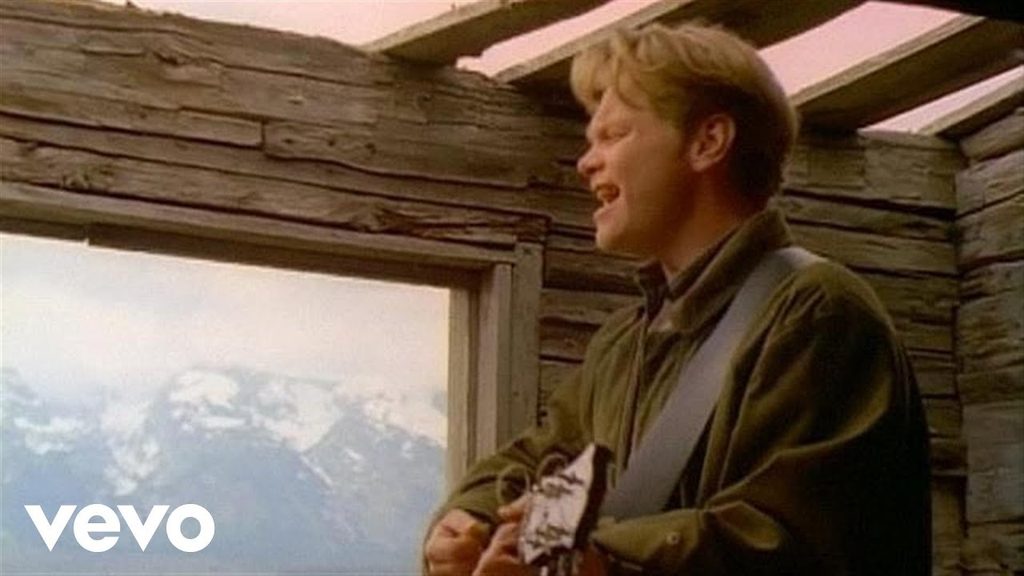
Few songs in contemporary Christian music have touched as many hearts as MercyMe’s “I Can Only Imagine.” First released as a radio single in 2001, this beautiful song invites us to imagine what it will be like to stand in the presence of God, whether we will dance, fall to our knees, or simply stand in awe. More than two decades later, its message of faith, hope, and anticipation of heaven continues to resonate with listeners, making it a truly timeless addition to our Monday Memories. ❤️
“I Can Only Imagine” – MercyMe
Apple Music subscribers: Sign in above to see the complete video.
Apple Music subscribers: Sign in above to hear the full song.
Few songs in contemporary Christian music have touched as many hearts as MercyMe’s “I Can Only Imagine.” First released as a radio single in 2001, this beautiful song invites us to imagine what it will be like to stand in the presence of God. Will we fall to our knees in worship? Will we sing with joy? Or will the wonder of seeing our Savior face to face leave us completely speechless? These simple but profound questions have resonated with listeners for more than two decades, making this one of the most beloved songs in the history of Christian music.
The story behind the song makes it even more meaningful. MercyMe lead singer Bart Millard wrote “I Can Only Imagine” while reflecting on the loss of his father, who died of cancer in 1991. Their relationship had been deeply troubled, marked by years of painful experiences, but his father’s life had changed before his death, and Millard came to understand the transforming power of God’s grace and forgiveness. As he contemplated his father’s passing and the promise of eternity, Millard began imagining what it would be like for someone to finally stand before Jesus. Those thoughts eventually became the lyrics of a song that would reach millions of people who had their own stories of loss, faith, forgiveness, and hope.
Before becoming a worldwide success, “I Can Only Imagine” appeared on MercyMe’s independent album The Worship Project in 1999. When the band signed with a major label, the song was included on Almost There, released in 2001, and began its journey toward becoming a Christian music phenomenon. Its success didn’t happen overnight, but word spread as listeners connected with its heartfelt message. The song eventually crossed over to mainstream radio, reaching people well beyond the traditional Christian music audience. Its extraordinary popularity demonstrated that a song rooted in Christian faith could speak to universal human experiences while remaining unapologetically centered on the hope of heaven.
What makes this song so enduring is its ability to meet people wherever they happen to be in life. For someone grieving the loss of a loved one, it can offer comfort and the promise of reunion in God’s presence. For someone facing uncertainty, it can serve as a reminder that our present struggles are not the end of the story. And for those who simply long to understand more fully what awaits believers in eternity, it gives voice to a question that is both deeply personal and wonderfully hopeful. We cannot fully comprehend what that moment will be like, but we can trust the One who has promised us a place with Him. That’s the beautiful heart of “I Can Only Imagine.”
And perhaps that’s why so many of us have memories attached to this song. Maybe you remember hearing it on Christian radio during your morning commute, singing it at church, or listening to it during a particularly difficult season of life. Perhaps it reminds you of someone you miss dearly, or perhaps it strengthens your faith whenever you hear those familiar opening notes. Songs sometimes become part of our personal stories in ways that even the artists who recorded them could never have anticipated. “I Can Only Imagine” has certainly done that for countless listeners, and its message remains just as powerful today as it was when it first reached the airwaves.
Apple Music subscribers: Sign in above to see the complete video.
There is something especially moving about hearing “I Can Only Imagine” performed live. In this performance from Hawaii, MercyMe brings the beloved song to the stage, offering listeners an opportunity to experience it in a concert setting rather than simply through a studio recording. The familiar melody and Bart Millard’s heartfelt delivery remind us that, although this song began with one man’s deeply personal reflections, it has become something shared by people all over the world. Every listener brings their own experiences, memories, and hopes to the music, and a live performance creates a special opportunity for those individual stories to become part of a collective moment of worship.
One of the remarkable things about a song this familiar is that it never has to sound exactly the same to touch our hearts again. We may know every word and anticipate every musical moment, yet a live performance can help us hear the message with fresh ears. Sometimes we are reminded of a loved one who has gone before us. Sometimes a lyric that once seemed simple suddenly carries a deeper meaning because of something we’ve experienced since the last time we heard it. And sometimes we simply find ourselves caught up in the wonder of the song’s central promise: that one day, faith will give way to sight, and we will stand in the presence of the One we have loved and trusted. What a beautiful thought to carry with us into a new week!
Apple Music subscribers: Sign in above to see the complete video.
In 2018, the story behind this extraordinary song reached movie theaters with the release of I Can Only Imagine. Starring J. Michael Finley as Bart Millard, alongside Dennis Quaid, Trace Adkins, and Madeline Carroll, the film explores Millard’s difficult childhood, his painful relationship with his father, his pursuit of a career in music, and the remarkable journey that ultimately led to the creation of the song. Rather than presenting the hit as an overnight success with a simple backstory, the movie explores the struggles, heartbreak, and personal transformation that helped shape its message. It offers a powerful reminder that the stories behind our favorite songs can be just as moving as the music itself.
At the heart of the movie is the difficult but deeply meaningful subject of forgiveness. Millard’s relationship with his father was complicated by years of abuse and hurt, and healing did not come through pretending those experiences never happened. Instead, the story shows how faith and genuine change can open the door to reconciliation and a different future. The song that emerged from this journey carries that experience into its meditation on eternity. The film also reminds us that God can work through broken circumstances and imperfect people in ways we might never expect. A song written from deeply personal grief became a source of comfort and hope for millions, reaching people whose experiences were entirely different from the man who wrote it.
The movie’s release introduced the story to a new audience and gave longtime fans a deeper appreciation for the song they already knew and loved. For anyone who has ever wondered how “I Can Only Imagine” came to be, the film offers a moving opportunity to explore the human story behind the music. And for those who have already seen it, revisiting the song can bring back the emotions of watching Bart’s journey unfold on screen. The special “Movie Session” version featured in the film’s promotional release adds another opportunity to hear this familiar classic in connection with the story that inspired it.
As we look back on “I Can Only Imagine” for this week’s Monday Memories, we’re reminded that some songs do much more than provide a soundtrack to our lives. They help us express feelings we struggle to put into words, bring comfort when we need it most, and point us toward the hope we find in our faith. MercyMe gave the world a song that encourages us to look beyond the difficulties of today and imagine the glorious promise of eternity with God. More than 25 years after the song first appeared on The Worship Project, that message continues to inspire new listeners and bring longtime fans back to a song that has meant so much to them.
We invite you to keep the music going by visiting our MercyMe artist page here on FishWorship, where you can discover more about the band, explore essential songs and albums, and revisit more of the music that has helped shape contemporary Christian music. And now we’d love to hear from you! Do you remember the first time you heard “I Can Only Imagine”? What memories does this song bring back, and what does it mean to you today? Share your story with us. After all, the best part of Monday Memories is remembering the music together! ❤️
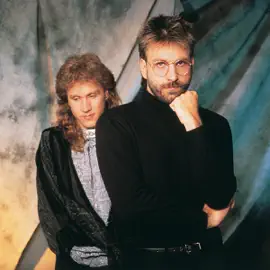
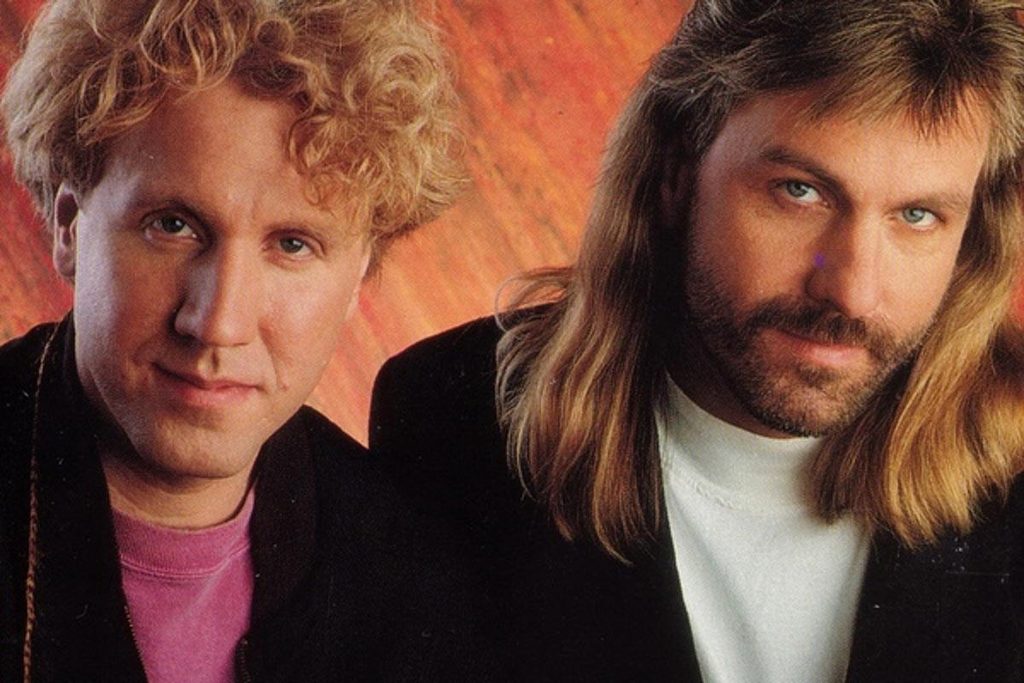
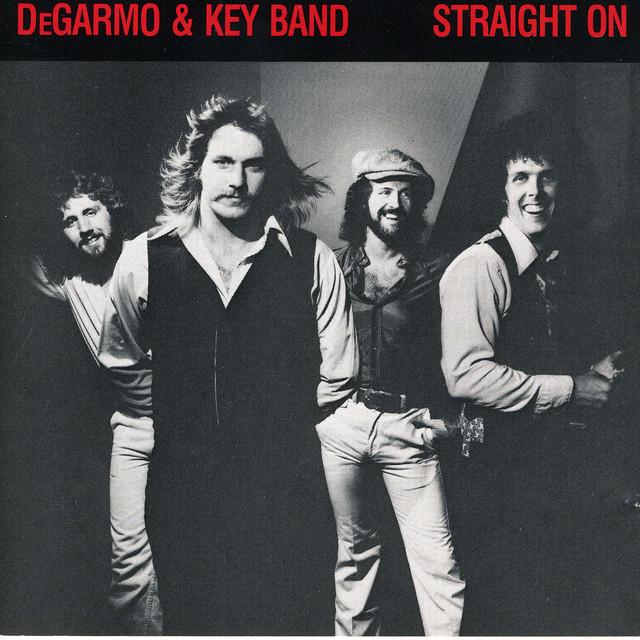
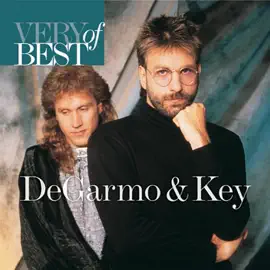
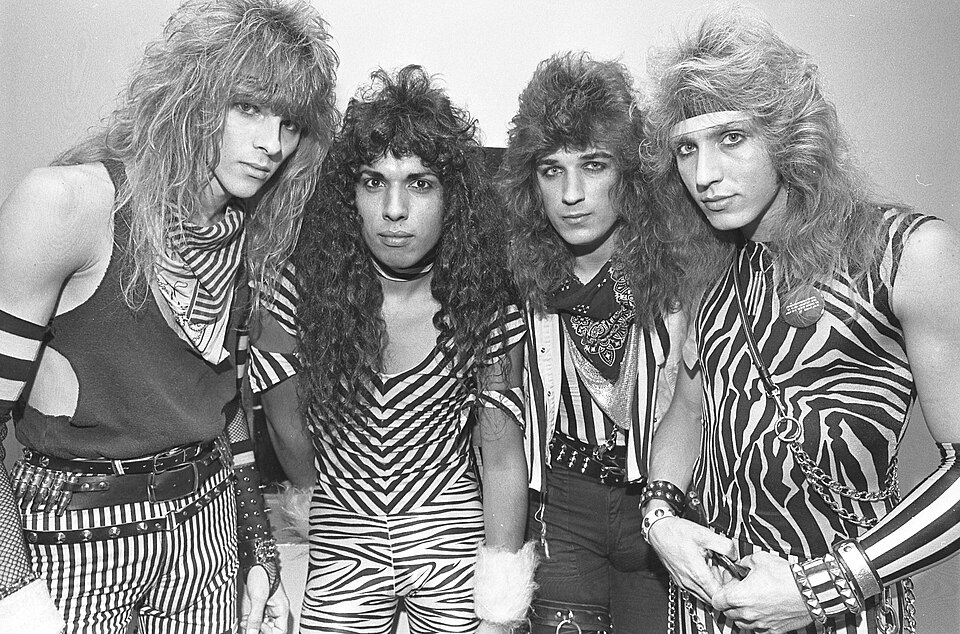
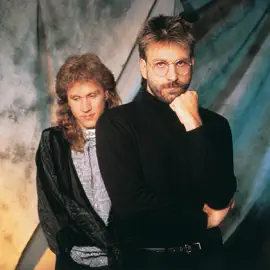
There are some artists who don’t simply give us great music; they help shape an entire era of Christian music. They challenge expectations, push musical boundaries, and remind us that the message of the Gospel doesn’t have to be confined to one particular sound or style. For me, DeGarmo & Key are one of those names that deserve to be remembered, celebrated, and heard by a new generation of listeners.
So, for this edition of Monday Memories, I want to look back at the remarkable story of DeGarmo & Key, a pioneering Christian rock duo whose influence extended far beyond their own recordings. They helped open doors for Christian rock, took some bold steps when the boundaries between Christian and mainstream music were still being fiercely debated, and remained committed to sharing their faith even when doing so could have cost them opportunities in the music business.
And if you remember Christian music in the late 1970s, the 1980s, and the early 1990s, there’s a good chance their music brings back some memories of your own!
Two Friends from Memphis with a Bigger Purpose
The story begins in Memphis, Tennessee, where Eddie DeGarmo and Dana Key first met as children in the first grade. Growing up in the same neighborhood, the two developed a friendship that would eventually become one of the most important partnerships in the history of contemporary Christian rock.
Music was part of their lives from an early age. Eddie gravitated toward keyboards and piano, while Dana developed into an accomplished guitarist and vocalist. They began playing together in their youth, forming bands and pursuing the dream that many young musicians share: making it in the music business.
During their high school years, they played in a secular rock band called Globe, which secured a recording deal with Hi Records. They were young, talented, and surrounded by the musical culture of Memphis, a city with an extraordinary musical heritage.
But their lives were beginning to take a different direction.
Both became involved with Youth for Christ, and their Christian faith began to reshape how they viewed their musical ambitions. Rather than simply pursuing success as rock musicians, they increasingly felt called to use their talents to share the Gospel.
That decision would ultimately change the course of their careers.
Instead of leaving rock music behind altogether, Eddie and Dana began exploring how they could bring their faith directly into the kind of music they loved. Their goal wasn’t to imitate the sounds of traditional church music. They wanted to play real rock and roll, with the energy, musicianship, and production quality of the best music being made at the time, while keeping the message of Jesus Christ at the center.
By the late 1970s, that vision had become DeGarmo & Key.
Their debut album, This Time Thru, arrived in 1978, establishing the foundation for what would become a groundbreaking career. Although the group was built around Eddie and Dana, DeGarmo & Key also featured other musicians throughout its history, developing into a full rock band capable of delivering a powerful live sound.
Their early music was rooted in blues-influenced rock, driven by electric guitars, keyboards, and Dana’s distinctive vocals. They weren’t afraid to sound like a rock band because, well, they were a rock band!
What made them different was the purpose behind the music.
Pioneers in a Changing Christian Music Scene
To appreciate the significance of DeGarmo & Key, it’s worth remembering what the Christian music landscape looked like when they began.
Contemporary Christian music was growing, but the idea of playing hard-edged rock music while openly proclaiming Christian faith was still controversial in many circles. Some listeners embraced it enthusiastically, while others questioned whether electric guitars, loud drums, and rock concert performances belonged in Christian ministry at all.
DeGarmo & Key weren’t interested in watering down their sound to satisfy every critic.
They believed rock music could be a legitimate vehicle for communicating the Gospel, and they set out to demonstrate that Christian musicians could compete musically with artists in the mainstream market without abandoning their convictions.
Their 1980 album, This Ain’t Hollywood, became a landmark release, earning recognition as the first Christian rock album nominated for a Grammy Award. That was a significant milestone for a genre that was still fighting for broader recognition.
The achievement wasn’t simply about an award nomination. It helped demonstrate that Christian rock could be taken seriously as music in its own right.
DeGarmo & Key continued recording and touring, building an audience that appreciated both their musical abilities and their unapologetically Christian message. Their concerts weren’t merely performances designed to entertain. Ministry was central to what they were doing, and Dana frequently spoke directly to audiences about faith, salvation, and the importance of a personal relationship with Jesus Christ. Altar calls were often part of their shows.
In other words, they weren’t just putting Christian words into rock songs. They were using rock music to reach people with a message they believed could change lives.
And they were willing to take that message wherever the music could carry them.
Taking Christian Rock onto MTV
One of the most memorable chapters in the DeGarmo & Key story came during the music-video revolution of the 1980s.
As MTV grew into a major force in popular culture, music videos became an increasingly important way for artists to reach audiences. But Christian musicians faced a particular challenge: Would a mainstream music television network give a Christian rock band a place in its regular rotation?
DeGarmo & Key helped break through that barrier.
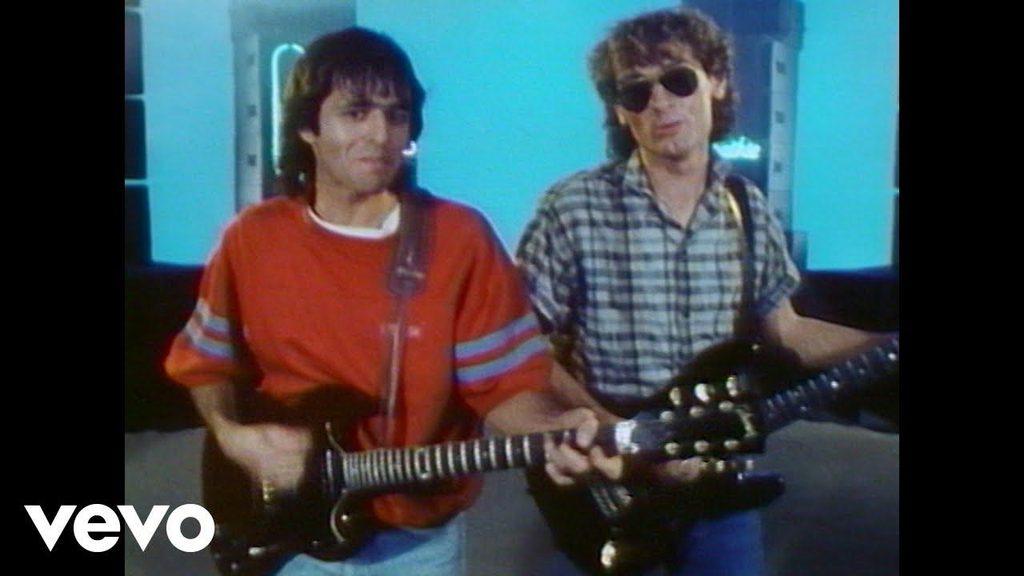
Their song “Six, Six, Six,” from the album Communication, became part of a historic moment when its music video entered MTV’s regular rotation in 1985. The band is widely recognized as the first American Christian group to achieve that distinction.
The story wasn’t entirely smooth. The original video drew controversy and was removed from rotation amid concerns about its content. MTV had also misunderstood the song’s message, which was intended as a warning about evil rather than an endorsement of it. The video was subsequently edited, and the revised version helped secure the band’s place in music-video history.
Think about what that meant at the time.
MTV was one of the most influential cultural platforms of the decade. For a Christian rock band to break into that environment was a major accomplishment, particularly when their music dealt openly with spiritual themes that weren’t always comfortable for mainstream audiences.
DeGarmo & Key demonstrated that Christian rock didn’t have to remain isolated from the broader music world. They could enter that world, play by the musical standards of the day, and still stand firmly behind their message.
And they weren’t finished pushing boundaries.
Changing Sounds, Unchanging Convictions
One of the interesting things about DeGarmo & Key is how their music evolved over the years.
Their early recordings leaned heavily into guitar-driven rock, but as the 1980s progressed, they incorporated more keyboards, synthesizers, and contemporary pop-rock production. The result was a sound that could be more accessible to radio audiences while still retaining the band’s identity.
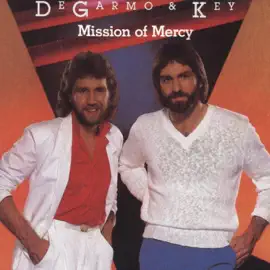
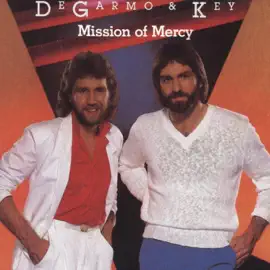
Their 1983 album Mission of Mercy helped mark this period of transition, and the success of “Let the Whole World Sing” brought them greater exposure.
The shift wasn’t without controversy. Some longtime listeners preferred the harder-edged sound of the band’s earlier work, while others welcomed the more polished production and catchy hooks.
But the change reflected a practical reality for working musicians. If they were going to continue supporting themselves and their families through full-time music ministry, they needed to reach audiences and make records that could compete in an increasingly crowded market.
They experimented with different sounds, but their commitment to their Christian message remained consistent.
Albums such as Communication and Commander Sozo and the Charge of the Light Brigade showcased their willingness to embrace the sounds of the decade. Later, with Streetlight in 1986, they returned to a more guitar-forward rock approach.
And that brings us to another revealing chapter in their story.
As the band began attracting interest from the mainstream music industry, they faced opportunities that many artists would have found difficult to resist. A relationship with Capitol Records brought the possibility of reaching an even larger audience.
However, according to the band’s own account of events, that opportunity ultimately ended after executives witnessed the group performing live. Dana continued to preach and give an altar call as he normally did, and the band’s relationship with Capitol was subsequently terminated.
Whether one agrees with every decision involved, the episode illustrates the priority Eddie and Dana placed on their ministry.
They weren’t opposed to reaching a mainstream audience. In fact, they worked hard to do precisely that. But they weren’t willing to separate their music from their faith simply to make themselves more commercially acceptable.
Their position was clear: the music was the vehicle, but the message was the mission.
Songs That Made a Lasting Impression
Throughout their career, DeGarmo & Key gave Christian music listeners an impressive catalog of songs that combined strong melodies, energetic performances, and direct spiritual themes.
“Let the Whole World Sing” celebrated the call to proclaim God’s glory. “Every Moment” offered an encouraging reminder of God’s presence in everyday life. “Casual Christian” challenged believers to examine whether their faith was something they genuinely lived or merely something they claimed. And “Boycott Hell” delivered its message with the kind of boldness that made the band so distinctive.
They could write songs that encouraged, songs that challenged, and songs that rocked. Their music wasn’t limited to a single emotional register or musical approach.
Over the years, they released a succession of albums, toured extensively, and helped establish a foundation upon which later generations of Christian rock musicians could build. Their influence extended beyond their own audience, contributing to the wider acceptance of contemporary Christian rock as a serious musical genre.
Their story also intersected with that of other artists who would become major names in Christian music. DeGarmo & Key toured with artists including Amy Grant, and their experience and willingness to support emerging talent helped connect different generations of musicians. They were part of a growing movement that was expanding the possibilities of what Christian music could sound like and where it could be heard.
In 1989, they released The Pledge, an album associated with a campaign encouraging people to read the New International Version of the Bible. It was another example of the way their music and their ministry extended beyond the recording studio.
By the early 1990s, the music industry was changing, Christian rock was evolving, and the duo was approaching the end of its original run. Their final studio album, To Extremes, arrived in 1994, and Eddie and Dana brought DeGarmo & Key’s regular recording career to a close.
They had spent roughly seventeen years building a legacy that went well beyond album sales or chart positions.
In 2007, the pair reunited for special performances, giving longtime fans an opportunity to celebrate the music again. In 2010, DeGarmo & Key were inducted into the Gospel Music Hall of Fame, a fitting recognition of their lasting contribution to the genre.
Sadly, that same year brought the loss of Dana Key, who died on June 6, 2010, at the age of 56, following a pulmonary embolism. His passing was a tremendous loss to his family, friends, fellow musicians, and the many listeners who had been touched by his music and ministry.
Eddie DeGarmo continued his work in Christian music, carrying forward the broader legacy of what they had helped build together.
And that is one reason I think DeGarmo & Key deserve a place in our Monday Memories.
They weren’t simply a band from the 1980s whose songs bring back memories of another time. They were pioneers who helped change the direction of Christian music, challenged assumptions about how the Gospel could be communicated, and demonstrated that artistic excellence and a strong Christian witness could go hand in hand.
Their music still has something to say.
So, let’s turn back the clock and revisit some of those songs. Some of you may remember exactly where you were when you first heard them. Others may be discovering DeGarmo & Key for the first time.
Either way, I hope you’ll join me as we remember two friends from Memphis who took their musical gifts, their faith, and their message to the world—and left a legacy that continues to echo through Christian music today.
Let’s get the music started! 🎸🎹
“Let the Whole World Sing”
Apple Music subscribers: Sign in above to hear the full song.
“Let the Whole World Sing” is one of DeGarmo & Key’s memorable anthems of praise, capturing the duo’s desire to use rock music to spread the message of Jesus Christ. With its energetic arrangement and uplifting message, the song calls believers to lift their voices and proclaim God’s glory beyond the walls of the church. It reflects the heart of Eddie DeGarmo and Dana Key’s ministry: making Christian music that could rock just as hard as anything on the radio while encouraging listeners to share their faith boldly. It’s a fitting reminder that worship can take many musical forms, but its purpose remains the same—to bring glory to God and point others toward Him.
🐟
“Six, Six, Six”
Apple Music subscribers: Sign in above to see the complete video.
Apple Music subscribers: Sign in above to hear the full song.
“Six, Six, Six” is one of the most significant songs in DeGarmo & Key’s history, not only for its bold Christian message but also for the controversy surrounding its music video. Released on their Communication album, the song warned listeners about evil and the dangers of turning away from God. In 1985, its video became a landmark moment when DeGarmo & Key broke into MTV’s regular rotation, helping open the door for other Christian rock artists to reach mainstream audiences. The original video sparked controversy and was subsequently edited for broadcast, but the band had made its mark. Today, we’re fortunate to have the music video itself to revisit—a fascinating piece of Christian rock history that reminds us how Eddie DeGarmo and Dana Key were willing to push boundaries while standing firmly behind their faith.
🐟
“Casual Christian”
Apple Music subscribers: Sign in above to hear the full song.
“Casual Christian” is one of DeGarmo & Key’s most challenging and memorable songs, delivering a pointed message about the difference between simply claiming to follow Jesus and genuinely living out that faith. With their trademark blend of driving rock and direct, uncompromising lyrics, Eddie DeGarmo and Dana Key challenge listeners not to treat Christianity as a convenient label that can be set aside when it becomes uncomfortable. The song calls believers to move beyond Sunday-morning religion and demonstrate their commitment to Christ in their everyday choices, actions, and relationships. It’s a powerful reminder that following Jesus is more than a name we claim—it’s a life we’re called to live.
🐟
“Every Moment”
Apple Music subscribers: Sign in above to hear the full song.
“Every Moment” showcases the heart behind DeGarmo & Key’s music, reminding listeners that our relationship with God isn’t meant to be limited to Sunday services or moments when life gets difficult. Through their signature Christian rock sound, Eddie DeGarmo and Dana Key encourage believers to recognize the importance of walking with the Lord throughout the ordinary moments of everyday life. It’s a fitting reminder that faith is more than something we profess with our words—it’s something we live out in the choices we make, the love we show, and the trust we place in God. Every moment is an opportunity to draw closer to Him and let our lives reflect His presence.
🐟
“Rock Solid”
Apple Music subscribers: Sign in above to hear the full song.
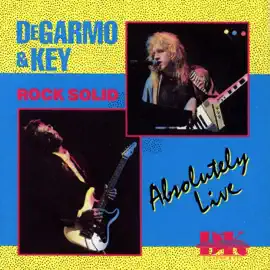
“Rock Solid” is a great example of DeGarmo & Key’s ability to combine energetic Christian rock with a message rooted firmly in biblical truth. The song points listeners toward the unshakable foundation found in Jesus Christ, reminding us that when the world around us changes and life brings unexpected challenges, our faith can stand firm because God never changes. Eddie DeGarmo and Dana Key weren’t afraid to deliver that message with powerful guitars and a hard-driving rock sound, proving that music with a strong Christian message could also bring plenty of rock-and-roll energy. “Rock Solid” remains a fitting reminder to build our lives on the One who will never let us down.
🐟
“Boycott Hell”
Apple Music subscribers: Sign in above to hear the full song.
“Boycott Hell” is one of DeGarmo & Key’s most direct and unapologetic declarations of faith, using an attention-grabbing title and their signature rock sound to deliver a serious message about eternity. Eddie DeGarmo and Dana Key challenge listeners to think about the choices they make and the eternal consequences of rejecting God’s offer of salvation through Jesus Christ. Rather than softening the message to make it more comfortable, the duo delivers it with the boldness and conviction that helped define Christian rock in the 1980s. The song is a reminder that the Gospel is about more than making life better here and now—it’s about the eternal hope we have in Christ and the importance of sharing that hope with others.
🐟
After the Music
After the Music: Two Paths, One Lasting Legacy
When DeGarmo & Key announced their retirement in 1994 after the release of To Extremes, it wasn’t the end of their ministry—it was the beginning of a new chapter. After nearly two decades of making music together, childhood friends Eddie DeGarmo and Dana Key continued serving the Christian music community, each in his own way. And in many respects, their influence was only beginning to grow.
Eddie DeGarmo: Helping the Next Generation Find Its Voice
Eddie moved into the business side of Christian music, helping build ForeFront Records into an influential label. He and his colleagues took chances on emerging artists, helping introduce a new generation of Christian musicians to the world. Among the artists associated with ForeFront were dc Talk, Audio Adrenaline, Rebecca St. James, and Stacie Orrico. Many of those artists would go on to become household names in contemporary Christian music.
After ForeFront was sold to EMI, Eddie continued working in music publishing, establishing Meaux Music before eventually leading EMI’s Christian music publishing operation. He later became president of Capitol CMG Publishing, helping shape the songs and artists heard in churches around the world. He retired from that position in 2014, leaving behind a career that extended far beyond his accomplishments as a performer. Eddie had helped open doors for countless musicians who followed in his footsteps.
Dana Key: From Rock Stages to the Pulpit
Dana’s post-band journey took him in a more pastoral direction, although music remained close to his heart. He released solo projects, including The Journey: Walking with Jesus and Part of the Mystery, and became involved with Ardent Records, continuing to encourage and develop Christian artists. He also completed his seminary education and eventually answered a calling to pastoral ministry.
In 2002, Dana founded The Love of Christ Church in the Memphis area, where he served as pastor. His passion for sharing the Gospel extended beyond music and the pulpit into missions and outreach. For Dana, the message had always mattered more than the medium—and now he had another way to share it directly with people.
Tragically, Dana’s story ended far too soon. On June 6, 2010, he died at just 56 years old from a pulmonary embolism, a sudden and devastating loss for his family, friends, church, and the Christian music community. Eddie lost not only his longtime musical partner but also the friend he had known since childhood. The loss was deeply personal, and it marked the end of any possibility of a full DeGarmo & Key reunion with both original partners.
A Legacy That Lives On
There were still moments when the band members reunited to celebrate what they had accomplished. DeGarmo & Key received recognition for their enduring contributions to Christian music, including an ASCAP Christian music honor in 2007 and induction into the Gospel Music Association Hall of Fame in 2010. Eddie, Dana, and fellow band members also performed together on select occasions after their retirement.
Looking back, I think one of the most remarkable things about DeGarmo & Key is that their legacy cannot be measured by album sales, awards, or even the number of songs we still remember. Their influence continued through the artists they encouraged, the listeners they inspired, and the lives touched by a message they never stopped believing in.
Eddie DeGarmo and Dana Key helped prove that rock music and a serious Christian faith could stand together on the same stage. And even after the final notes of DeGarmo & Key had faded, the music—and the mission behind it—continued.
Welcome to Monday Memories, where we take a look back at the Christian songs, artists, albums, and moments that have helped shape the music we love. From timeless favorites to songs that may have slipped from memory, each week we revisit a piece of Christian music history and remember why it still matters today.
Remembering Carman
🐟
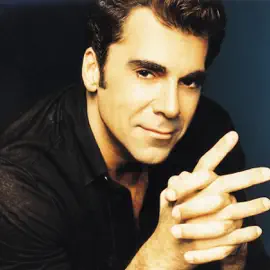
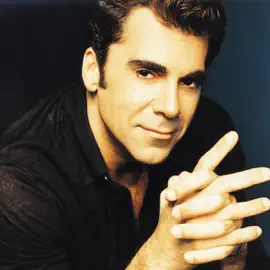
The first time I met Carman was in 1998, at the very first AtlantaFest, held at what was then called Atlanta International Speedway. I would have the opportunity to cross paths with him many times over the years, and eventually I came to know not simply the entertainer who stood on enormous stages in front of enormous crowds, but a very solid Christian who was never afraid to speak his mind. He also respected those who were willing to do the same. But this isn’t really a story about my friendship with Carman, or even about what I may have gained from knowing him. This is a story about Carman himself—the man, the music, and the ministry that made him one of the most remarkable figures Christian music has ever produced.
Carman passed away on February 16, 2021, at the age of 65, following a battle with cancer. By then, the man who had spent decades filling stadiums, challenging the Christian music industry to think bigger, and telling millions of people about Jesus had already left behind a legacy that could not be measured simply in record sales or concert attendance. The official Carman legacy describes him as a man whose greatest achievement was winning souls to Christ—and perhaps that is the most fitting way to remember him. Carman is no longer here to take the stage himself, but the music, the ministry, and the memories remain.
Even his name was uniquely Carman.
His full name was Carman Domenic Licciardello—pronounced, roughly, lee-chee-ar-DEL-lo. But you rarely heard him introduce himself that way. I once heard Carman explain why: “I never tell people my last name because I don’t want people trying to prophesy on my name!” That was Carman—quick with a joke, completely comfortable being himself, and never particularly interested in fitting somebody else’s definition of what a Christian artist was supposed to look or sound like.
And that may be the best place to begin when remembering him.
Carman was never merely a Christian recording artist. He was an event.
Long before Christian music had the enormous infrastructure it has today, Carman understood something that few others seemed to grasp: if you wanted to reach people, you had to go where people were. And so he went everywhere.
He appeared on stages at Christian festivals and concerts, but he also took the Gospel into places where a Christian artist might not have been expected to belong. During Spring Break in Daytona Beach, Carman would set up his ministry right in the middle of one of the most unlikely environments imaginable—between Playboy and MTV. He wasn’t waiting for people to come looking for Christian music. He was taking Christian music to them.
Then there were the stadiums.
Carman became the Christian artist who could fill venues normally associated with the biggest names in popular music. He performed before tens of thousands in Johannesburg, South Africa, and later drew 71,132 people to a free concert at Texas Stadium in 1994. Another Carman event in Chattanooga drew an estimated 80,000 people. His official ministry describes him as holding the world record for the largest audience to see a single Christian artist, while contemporary accounts have likewise described his Texas Stadium event as the largest Christian concert of its time.
And yet, for all the numbers, Carman himself understood that the numbers weren’t the point.
The stadiums were the platform. The songs were the vehicle. The spectacle got people’s attention. But the ministry was about something much bigger: introducing people to Jesus Christ.
Perhaps nowhere was that more evident than in South Africa. In August 1993, more than 50,000 people gathered in Johannesburg for Carman’s Music for Peace crusade. He regarded that event as one of the most significant concerts of his career, and it represented something bigger than simply another entry on an impressive list of attendance records. Carman had taken his particular brand of music, evangelism, drama and celebration halfway around the world—and thousands of people showed up to hear the message.
That was Carman.
He could sing. He could rap. He could preach. He could act. He could make you laugh. He could put on a production unlike anything else happening in Christian music. He could stand before a stadium full of people and command their attention—and then turn that attention toward Christ.
And perhaps more than anything else, Carman refused to apologize for any of it.
To understand why Carman mattered, we have to look beyond the costumes, the choreography, the music videos, the stadiums and the sheer spectacle. We have to go back to where his story began, examine the music he created, and understand the ministry behind the man.
Because Carman wasn’t simply one of the biggest names in Christian music.
For a time, he was Christian music’s biggest stage.
🐟
🎬Featured Videos
“God In America Again”
Apple Music subscribers: Sign in above to hear the full song.
We could have started our remembrance of Carman with any number of songs. There are the songs that filled arenas, the songs that introduced an entire generation to Carman’s unique blend of music and ministry, and the songs that became synonymous with the enormous Christian concerts he created. But we have chosen to begin with “God in America Again” for a very specific reason. This song represents something that remained deeply important to Carman throughout his ministry—and, especially toward the end of his life, one of his most important wishes: that God would once again be elevated to His rightful place in American culture and, more importantly, in the lives of the American people.
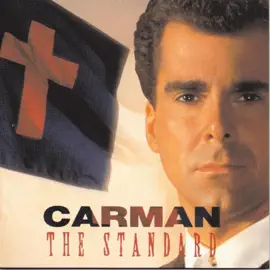
Originally released in 1993 on The Standard, “God in America Again” was unmistakably Carman. It was part song, part sermon, part history lesson and part call to action. Carman looked at what he believed was happening to America and asked a question that became the central message of the song: What happens to a nation when it removes God from the center of its life? The song was never intended to be subtle. Carman rarely was. He believed the Church needed to speak boldly, and he believed the answer to America’s problems was ultimately not political, but spiritual. The song repeatedly points back to Jesus as the only hope for the country.
More than three decades later, Carman’s message remains as direct as it was when he first delivered it: America needs God again. Carman believed that the answer to America’s deepest problems was not found in politics, government or cultural institutions, but in a return to God and, ultimately, to Jesus Christ. He believed that a nation could change when its people changed—that when hearts turned back to God, families could be strengthened, communities could be transformed and America itself could once again recognize God as the foundation upon which it was built. This wasn’t a political campaign for Carman. It was a spiritual call to a nation he loved.
That is why this is the first Carman video we are sharing.
Carman spent his career standing on enormous stages, but the stage was never the destination. The destination was always the message. He wanted people to know Jesus. He wanted Christians to live their faith boldly. And he wanted a nation that, in his view, had pushed God increasingly toward the margins to remember who God is and what it means to place Him back at the center.
So as we remember Carman, we begin with the message he was still carrying near the end of his life: God belongs at the center—not merely of our churches, not merely of our music, but of our lives.
And perhaps there is no better way to begin remembering Carman than by letting Carman say it himself.
🐟
“Sunday School Rock”
Apple Music subscribers: Sign in above to hear the full song.
After beginning our remembrance with the weight and urgency of “God in America Again,” it seems only appropriate that we lighten things up a little. Because if there was one thing Carman understood, it was that sharing the Gospel didn’t mean Christians had to be serious all the time. Carman had a fun side—and he wasn’t afraid to show it.
“Sunday School Rock,” released on Carman’s 1993 album The Standard, may be one of the best examples. The song takes the familiar language of Sunday school and turns it into a full-blown 1950s rock-and-roll production, complete with Carman playing the role of the swaggering teacher and a music video that deliberately looks like an old television dance show.
And that’s what made Carman so entertaining. He could take something as fundamental as teaching people about the Bible, throw it into a completely unexpected musical setting, and somehow make it stick. “Sunday School Rock” moves through everything from Genesis to Revelation, Christian living and spiritual gifts, but the entire lesson keeps coming back to one wonderfully simple declaration: “I love Jesus.”
There was also a little bit of Carman himself in the humor. He could poke fun at his own tough-guy image, ham it up for the camera, dance, gesture and play the character without ever losing sight of what he was actually trying to communicate. A contemporary review of The Standard even noted that Carman had always loved experimenting with different musical forms—rap, rock, pop, R&B and more.
That was part of Carman’s genius. He didn’t believe Christian music had to be boring to be meaningful. He could preach a serious message in one song and then turn around and make an entire audience laugh in the next. He understood that joy is part of the Christian life, too—and sometimes the best way to get someone to remember a lesson is to make sure they have a really good time learning it.
So after “God in America Again” reminded us of the seriousness of Carman’s calling, let’s have a little fun.
Class is in session. Sunday school is throwing down.
🐟
“Awesome God”
Apple Music subscribers: Sign in above to hear the full song.
And perhaps no song captures Carman’s heart for Jesus more simply than “Awesome God.” In this live performance, beyond the spectacle, the energy, and the unmistakable Carman style, what comes through most clearly is his genuine joy in proclaiming who Jesus is. This is Carman at his most worshipful—completely unashamed, completely engaged, and clearly delighted to be telling a stadium full of people about an awesome God.
🐟
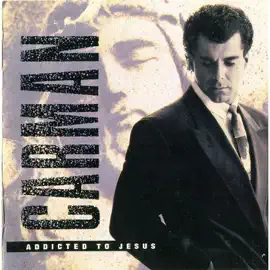
“Addicted to Jesus” – with DC Talk
Apple Music subscribers: Sign in above to hear the full song.
By the 1990s, Carman was already an established superstar in Christian music. But one of the things that makes his legacy so interesting is that he never seemed content to simply repeat what had worked before. He was willing to experiment, to embrace new sounds, and to work with artists who represented the next generation of Christian music. “Addicted to Jesus” is a terrific example of that.
The song features DC Talk, bringing together Carman’s larger-than-life evangelistic style with the energy and hip-hop-influenced sound that was helping redefine contemporary Christian music. Rather than seeing the younger artists as competition, Carman welcomed them onto the same stage. And that says something about the man: he understood that the mission was bigger than any one artist, musical style or generation.
“Addicted to Jesus” also captures something Carman understood exceptionally well—the power of a memorable phrase. The word addicted is deliberately provocative. Carman wasn’t talking about something casual or occasional. He was using the language of addiction to describe an overwhelming desire for Jesus Christ: a life so completely captivated by Christ that following Him becomes more than something we do on Sunday. It becomes who we are.
And then there is the video itself. Carman was always a visual performer, and he understood that a music video could communicate the message in ways that went beyond simply putting a camera in front of a band. Bringing Carman and DC Talk together made the video feel like a meeting of generations—and a reminder that Christian music was changing rapidly while its central message remained the same.
That may be one of the most important things to remember about Carman. He wasn’t afraid of change. He could move from rock and roll to rap, from theatrical productions to contemporary collaborations, and from stadium evangelism to music videos featuring some of the newest names in Christian music. The sound could change. The presentation could change. The audience could change.
But the message didn’t.
Jesus was still the reason.
🐟
“I Love Jesus”
“I Love Jesus” is a great example of how Carman’s performances were about far more than simply standing on a stage and singing songs. He knew how to draw a crowd into the experience, turning the audience from spectators into participants and giving them an opportunity to say, sing, and celebrate the message for themselves. That interaction was a vital part of Carman’s ministry: he wasn’t simply trying to perform a Christian song for the crowd—he was trying to make the message of Jesus resonate with the crowd, until the people in front of him were no longer just hearing the message, but joining in with it.
🐟
“Nothing But The Blood Of Jesus”
While Carman and I may not have agreed on everything, there was one thing on which we agreed 100 percent: hymns deserved to always have a place in modern worship. Carman never wavered on that conviction, and his dedication to these ancestral masterpieces of faith is evident throughout his many recordings of the great hymns of the Church. He didn’t treat them as relics from another generation, but as living expressions of faith that still had something to say to Christians today. In “Nothing But the Blood of Jesus,” Carman brings together a medley of beloved hymns with the same passion and reverence that characterized so much of his ministry. For Carman, moving Christian music forward never meant leaving its musical heritage behind.
🐟
“Happy Birthday Carman!”
Before we bring our musical remembrance of Carman to a close, we wanted to take just a few seconds to remember the man himself. This brief “Happy Birthday Carman” video begins with Carman as a baby and then moves through photographs and images from the many stages of his life, eventually bringing us to the Carman so many of us remember from the stage. It’s only 30 seconds long, but there is something wonderfully fitting about watching an entire life pass before us in moments. Behind the costumes, the concerts, the music videos, the stadiums and the ministry was simply a man who was born, grew up, found his calling, and spent his life trying to tell people about Jesus. Before we move into “1955” and Carman’s hope for revival, let’s take a moment to simply say: Happy birthday, Carman.
🐟
“1955”
Apple Music subscribers: Sign in above to hear the full song.
For our final Carman video, we return to a subject that was at the very heart of his ministry: revival.
“1955” is more than a song about a particular year. In Carman’s telling, 1955 represents a time when revival was breaking out, when churches were filled, when people were hungry for God, and when the Gospel seemed to be woven into the fabric of everyday American life. But rather than simply sing about those days, Carman turned the song into a story—and the music video brings that story to life.
We watch as Carman comes into town and encounters the pastor of the church where a revival is being held. From there, the story unfolds, taking us into the heart of the revival itself. It’s classic Carman: part music video, part short film, part evangelistic presentation. He wasn’t content simply to stand in front of a microphone and sing about revival. He wanted us to see it.
And there is something particularly fitting about ending our musical remembrance of Carman here. Through these videos, we’ve tried to show more than simply the entertainer who could command a stadium. From Carman’s passionate plea in “God in America Again” to his recollection of revival in “1955,” Carman truly had a heart for turning this country toward Christ. Throughout his ministry, Carman was constantly asking the same question: could revival happen again in America? Carman believed it could. Along the way, these videos have given us glimpses of the many sides of Carman’s ministry—his passion, his creativity, his sense of humor, his willingness to embrace new generations, his love for the musical heritage of the Church, and the man behind it all. Now, with “1955,” we come full circle—looking back toward a time of revival while asking a question that Carman never seemed willing to stop asking: could it happen again?
Carman believed it could.
That belief was woven through virtually everything he did. He believed people could still be reached. He believed churches could still be filled. He believed Christians could still be bold. And he believed that revival wasn’t merely something to read about in the history books—it was something worth praying for, working toward and expecting God to do again.
Perhaps that’s what makes “1955” such an appropriate final chapter in our remembrance of Carman. He wasn’t simply looking backward. He was looking forward. He remembered what revival had looked like because he wanted to see it happen again.
And maybe that’s the greatest thing Carman leaves us with.
Not simply memories of the concerts, the costumes, the songs, the stadiums or the music videos.
Monday Memories is where we take a look back at the people, music, moments and memories that have helped shape our musical lives. Sometimes that means revisiting a favorite song or artist, while other times it means telling a story from our own past. This week, I’d like to do the latter and share a part of my own musical journey — a story that surprisingly few people know, because my focus has always been on the music itself and the message it carries—nothing more.
Evolution of The Piano Man
My Friend’s Piano
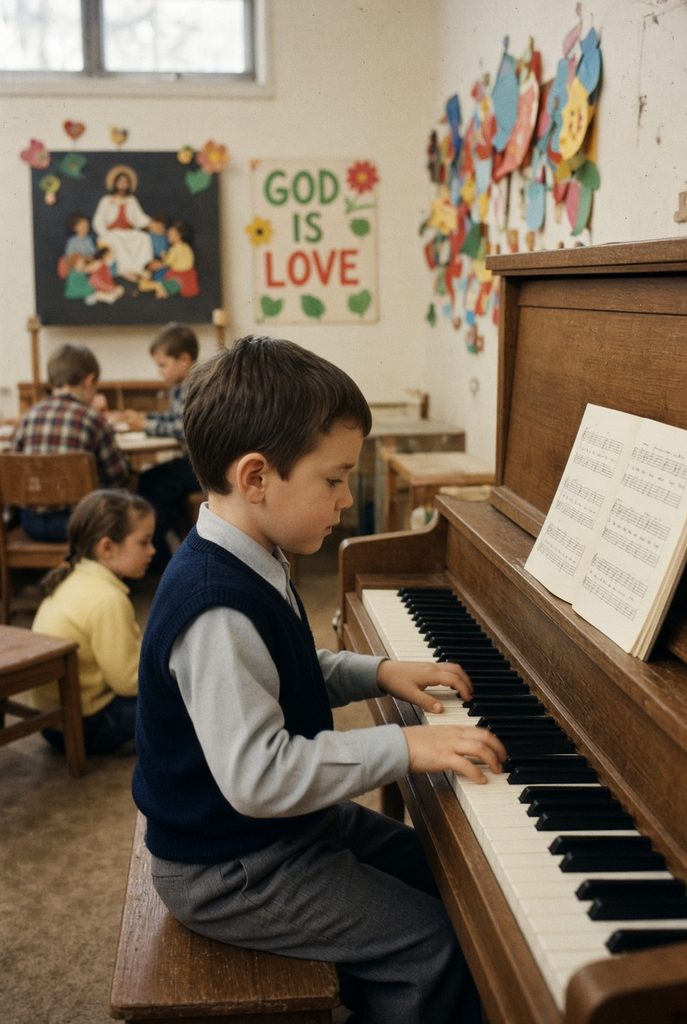
When I look back at my musical journey, it’s almost hard to believe how far it took me — from sitting at a piano as a child and playing This Little Light of Mine in Children’s Church, to eventually performing live on keyboards alongside Grammy-winning artists. In between those two moments were decades of church music, hymns, gospel songs, contemporary Christian music, countless hours at the piano, and eventually the discovery of what I could do with synthesizers, sequencers and programmable keyboards. It was a journey of discovering not only the music I loved, but also the instruments through which I could best express it.
The First Performance
“This Little Light of Mine”
My first “public performance” actually happened when I was just four years old, when I played This Little Light of Mine in Children’s Church. I shared a little more about that experience in a previous Monday Memories post. Needless to say, my four-year-old rendition was considerably less elaborate than the version you’re about to hear! Mark Burnell’s arrangement is a little more fancy than what I was playing back then. 😄 But in its own little way, that simple song at a Children’s Church piano was the beginning of a musical journey that would eventually take me from playing hymns to programming keyboards and performing live alongside Grammy-winning artists.
Apple Music subscribers: Sign in above to hear the full song.
🐟
The Hymn Years
My childhood and early teenage years were largely spent at the piano playing the great hymns of the church. As my playing developed, I began adding more dynamics, flourishes and dramatic touches, eventually developing the kind of big, expressive style that I loved hearing from piano virtuoso Dino Kartsonakis. Before long, I was patterning some of my own arrangements after his style and trying to recreate that same sense of excitement at the piano. Those fortunate enough to hear me perform during those years would have heard arrangements not too unlike these:
Apple Music subscribers: Sign in above to hear the full song.
Apple Music subscribers: Sign in above to hear the full song.
Apple Music subscribers: Sign in above to hear the full song.
During those hymn-playing years, I also started becoming friends with people connected to the Gaither world, which opened up another musical influence for me. Some of the songs associated with the Gaithers and the Southern Gospel tradition were showing up in the hymnals, too — songs like Soon and Very Soon. That gave me a wonderfully convenient rule for expanding my repertoire: if the newer music was also in the hymnal, then it was fair game! So I began incorporating some of those newer gospel songs alongside the traditional hymns I had been playing, gradually broadening my musical vocabulary without straying too far from the music I already knew and loved. As was often the case, my arrangement was heavily influenced by Dino’s.
Apple Music subscribers: Sign in above to hear the full song.
🐟
Breaking Out of the Hymnal
Then, at age 16, I finally broke the rules — at least my own rules! I added How Majestic Is Your Name to my piano repertoire. Written by Michael W. Smith and recorded by Sandi Patty, the song was something completely different from the hymns and gospel songs that had made up most of my performance repertoire to that point. And unlike Soon and Very Soon, it wasn’t something I had discovered because I found it in a hymnal. This time, I was deliberately reaching beyond the hymnal.
How Majestic Is Your Name was the very first “non-hymn” song I added to the set list for my piano performances, and in retrospect, it was a pretty significant moment in my musical development. I was beginning to realize that Christian music didn’t have to fit neatly between the covers of a hymnal for me to want to play it. There was a whole new world of contemporary Christian music emerging, and I was ready to start exploring it.
As my musical style continued to develop, some of my pastor friends would occasionally introduce me with a description that always made me smile: “A cross between Dino Kartsonakis and Michael W. Smith.” Looking back, that’s actually a pretty good description of the two musical worlds I was bringing together — Dino’s influence on my instrumental playing and arranging, and Michael W. Smith’s influence on the contemporary Christian music I was beginning to incorporate into my repertoire.
At 16, of course, I wasn’t thinking about any of that. I simply heard a song I loved, learned how to play it, and put it on my set list. Looking back now, I can see that I had just opened the door to an entirely new chapter.
Here’s Dino’s take—surprisingly similar to my own—on Michael W. Smith’s song.
Apple Music subscribers: Sign in above to hear the full song.
🐟
The Piano Goes International
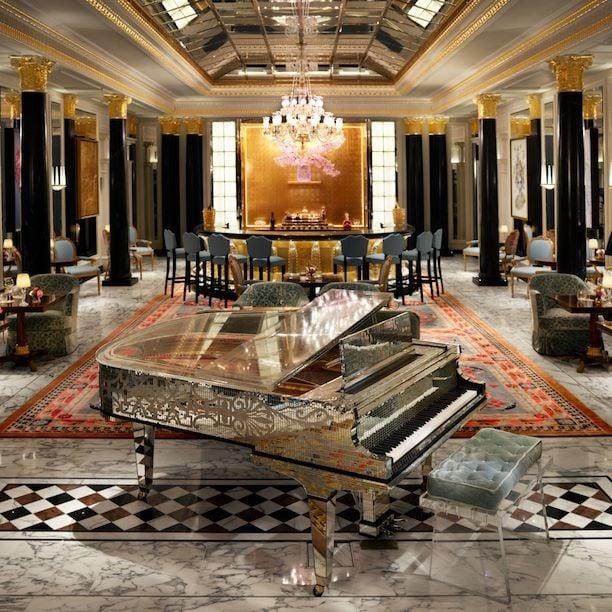
Piano Bar – Dorchester Hotel – London England
There was another rather unexpected chapter in my musical journey that happened while I was still in high school. One summer, when I was seventeen, I took a family trip to the United Kingdom, and that trip turned into an opportunity to do something I certainly never expected to be doing as a teenager: I ended up playing at the piano bars of several hotels in England and Scotland.
Here is Moscow’s own Gamazda performing piano versions of a few of the songs that became favorites of mine that summer as I played in those piano bars.
Apple Music subscribers: Sign in above to hear the full song.
Apple Music subscribers: Sign in above to hear the full song.
Apple Music subscribers: Sign in above to hear the full song.
Of course, me being me, I would always make sure to work a few songs into the evening that gave everyone a little idea of the kind of music I usually played. I would introduce that part of the evening by saying something like, “Let me share the kind of stuff I usually play,” and then, “This is currently a really big hit back home.” The first song I would start with was Amy Grant’s “Sing Your Praise to the Lord,” which had reached #1 on the Christian music charts. I would then launch into my own piano version, including that great opening piano passage that always gave me a chance to really play. Some people in the room were familiar with it, while others clearly weren’t, but it was always well received—and it was a little way of bringing a piece of the music that meant so much to me into that piano-bar setting. My version is long gone, of course, so for the sake of this post, I’ll let Amy Grant herself provide the soundtrack. The original recording brings back exactly what I was trying to share with those audiences all those years ago.
Apple Music subscribers: Sign in above to hear the full song.
I also often took the opportunity to share what I called “the first song I ever performed in public” and play a somewhat elaborate version of “This Little Light of Mine.” By this time, my performance of the song had evolved into something very much like the version I present today through Mark Burnell. As I recall, once people recognized what I was playing, the song was always well received, and many would sing along.
Apple Music subscribers: Sign in above to hear the full song.
The Carlton Highland Hotel – Edinburgh, Scotland
One of the places where I played was the Carlton Highland Hotel in Edinburgh, Scotland. At the time, it was known as the Carlton Highland, and being able to sit down at a piano and play in a hotel in Edinburgh was a pretty remarkable experience for a kid who had grown up playing hymns in church.
It was a completely different musical environment from what I was accustomed to back home. I wasn’t sitting at my church piano playing hymns or contemporary Christian songs; I was suddenly playing in piano bars in another country, adapting to the setting and entertaining people who had no idea who I was or where I had come from.
Looking back, that experience was another little glimpse of where music would eventually take me. I was still years away from the sophisticated keyboard programming and sequencing that would become such a big part of my musical life, but I was already discovering that a piano could open doors to places I never expected to go.
And as it turned out, that wouldn’t be the last time music would take me around the world.
🐟
Bringing Bible Study to the Piano
Once I had taken that first step beyond the hymnal with How Majestic Is Your Name, I began to realize that there was a lot more music from my own church experiences that could become part of my piano repertoire. Some of that music came from my years of attending various Bible studies, where I heard songs that were very different from the traditional hymns I had grown up playing.
I began adding some of those songs to my piano performances. I had heard these songs so many times in Bible Study that I already knew the music well. Now I was taking those familiar songs and finding ways to turn them into piano arrangements of my own.
There was something especially enjoyable about that process. I wasn’t simply playing the songs the way I had heard them at Bible Study; I was beginning to think more like an arranger. I would listen to the instrumental parts and rhythms I had heard, figure out what worked at the piano, and then try to recreate some of that musical energy with two hands and a piano.
Looking back, this was another important step in the evolution of my musical style. How Majestic Is Your Name had opened the door to contemporary Christian music, and these Bible Study songs helped push that door a little farther open. My repertoire was no longer limited to the traditional hymns I had grown up playing. I was discovering that the music I was hearing around me — in church, at Bible Study, and through the Christian artists I admired — could all find a place in my piano performances.
Here are a few examples of those Bible Study songs, as performed by Dino, that I incorporated into my piano playing during that era:
Apple Music subscribers: Sign in above to hear the full song.
Apple Music subscribers: Sign in above to hear the full song.
Apple Music subscribers: Sign in above to hear the full song.
🐟
When the Piano Became the Keyboard
Korg M1 – The Keyboard That Changed Everything
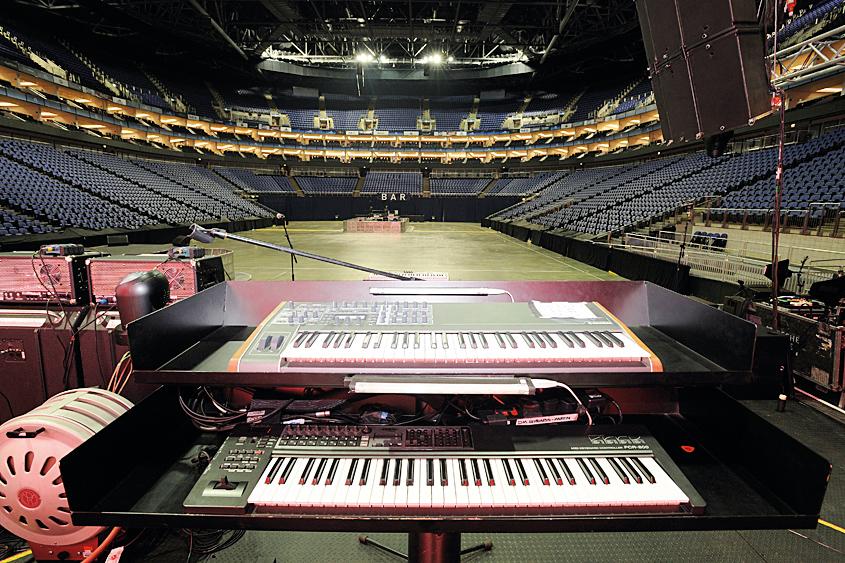
As my musical repertoire continued to expand beyond traditional hymns into contemporary Christian music and other music that was popular in the church, my instrument began to change as well. I moved from simply playing the piano to programming keyboards, and that opened up an entirely new world of possibilities. Instead of playing a song with just two hands and a piano, I could program an entire arrangement — strings, brass, synthesizers, drums, bass and other instrumental parts — and then leave myself a piano or keyboard part to perform live. My piano performances gradually migrated into keyboard performances, and I found myself spending as much time creating the arrangement as I did learning how to play it.
This was where I really began to develop my own instrumental prowess. I became fascinated with the process of taking a piece of music and figuring out how to recreate an entire orchestration on a keyboard. Each instrument had to have its own part, its own entrance and its own place in the arrangement, while I still had to have something meaningful to play myself. The keyboard wasn’t just an instrument anymore; it had become an entire band and orchestra under my fingertips.
Here’s a good example of the kind of music I was programming during this period. I had heard arrangements by Dino Kartsonakis that inspired me, and I began developing my own versions using the same basic philosophy: take a familiar melody, surround it with a much larger instrumental arrangement, and turn it into something that could be performed by one person on a keyboard. This was the point where I was no longer simply trying to sound like a piano player. I was becoming a keyboard arranger and programmer.
Here is a perfect example. I took Dino’s dynamic, fully orchestrated version of this American classic and recreated every instrument, every note, and every nuance on a single keyboard. And I had an absolute blast doing it!
Apple Music subscribers: Sign in above to hear the full song.
What started with a Korg M1 keyboard all those years ago has progressed exponentially as both keyboard technology and my own skillsets have grown. These days, my keyboard of choice is a Korg XE20 88-key powerhouse, complete with piano-weighted keys, amazing piano sounds, and hundreds of exceptional instrument and drum sounds. Unless I’m playing someone else’s keyboard or piano, of course!
🐟
The Joy of Sandi Patty
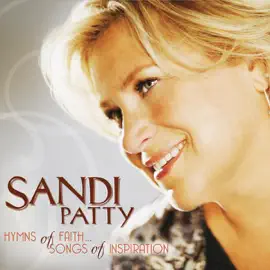
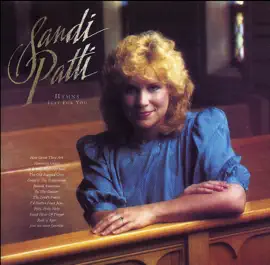
Another important musical influence came through a dear friend who loved performing Sandi Patty songs. Through that friendship, I began discovering just how much of Sandi’s repertoire could lend itself to the kind of keyboard arrangements I was developing. Before long, I was adding some of those songs to my own set lists.
Songs like Majesty and Let There Be Praise gave me another opportunity to stretch what I could do with the keyboard. Sandi’s music had the kind of sweeping melodies and dramatic arrangements that gave me plenty of room to build something substantial around them. I could program the orchestration, create the instrumental layers and then sit down at the keyboard and become the live performer within the arrangement.
Looking back, I realize how much my repertoire had changed by this point. I had started with the traditional hymns I knew as a child, cautiously ventured beyond the hymnal with How Majestic Is Your Name, and then discovered that the possibilities were almost limitless once I had a keyboard capable of becoming an entire ensemble. Sandi Patty’s music became another important piece of that musical evolution — and a reminder that sometimes the people we meet along the way introduce us to music that becomes part of our own story.
Here again is Dino, performing three Sandi Patty songs in arrangements that I replicated on the keyboard.
Apple Music subscribers: Sign in above to hear the full song.
Apple Music subscribers: Sign in above to hear the full song.
Apple Music subscribers: Sign in above to hear the full song.
🐟
Taking the Keys to the Next Level
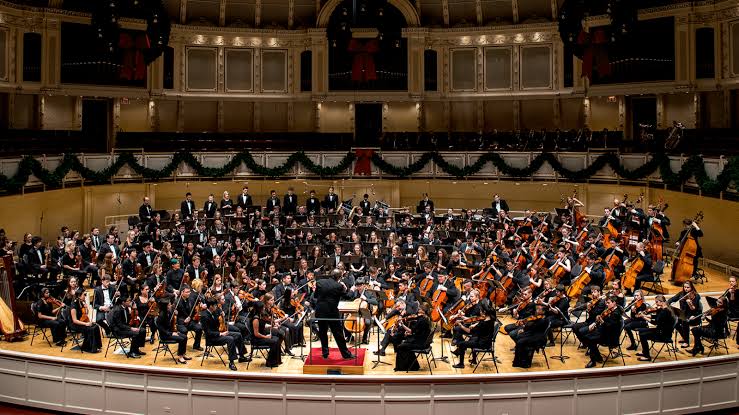
The Orchestra Behind the Keyboard
As my programming, arranging and sequencing skills continued to develop, the music I was creating kept reaching higher and higher levels of complexity. This was the period when I began programming and arranging some of the most impressive Christian arrangements I had ever attempted, but my work with the keyboard wasn’t limited to Christian music. I also began working with Top 40 cover bands in the Atlanta area, arranging, sequencing and programming music for those bands as well. The same skills I had developed recreating elaborate Christian arrangements suddenly had an entirely different application: I could take the music people were hearing on the radio and build the keyboard parts and sequences needed to reproduce it on stage.
That became something of a recurring theme throughout my musical life. Over the years, I was fortunate to encounter more and more opportunities to arrange, program, and sequence keyboard music for increasingly high-profile musical projects, spanning a wide range of artists, styles and musical settings. It seemed that just about every year brought another opportunity to learn something new, tackle more complicated arrangements, or find another way to make a keyboard sound like an entire musical ensemble.
But during my Christian performance years, there were two particular arrangements that represented just how far I had come in trying to emulate my greatest keyboard influence, Dino Kartsonakis: How Excellent Is Thy Name and Proclaim The Glory Of The Lord. These were among the arrangements where I really felt like I had captured the Dino sound I had been chasing for years.
As with so many of Dino’s recordings that inspired me, my goal wasn’t simply to play the melody or approximate the arrangement. I wanted to recreate the entire production on the keyboard — programming and sequencing the individual instrumental parts so that, when I performed the songs live, the result sounded like the recording I had studied so carefully. People who saw me perform during the late 1980s or early-to-mid 1990s would have heard arrangements like these. In many ways, these two songs represent the culmination of the musical journey that began with a little boy playing hymns at the piano and eventually led me to becoming a keyboard programmer and arranger.
Apple Music subscribers: Sign in above to hear the full song.
Apple Music subscribers: Sign in above to hear the full song.
🐟
International Recording Artist
My Music Circling the Globe
By the early 1990s, the programming, arranging, and sequencing work I had been doing had reached a point where it took on a life of its own. A pastor friend of mine organized a very special project in which I recorded an instrumental Christian keyboard album featuring dynamic, fully orchestrated versions of the kinds of songs I had been developing over the years.
What made the project especially memorable was what happened with the finished album. A copy was sent to every missionary serving with the Southern Baptist Foreign Mission Board at the time. The albums contained a dozen praise songs that could easily be sung along with in a worship service, so these weren’t simply recordings to listen to—they could actually be used as part of worship. Those albums went out all over the world, finding their way into the hands of missionaries serving in countries and places I would never have imagined reaching with my music. The thought that something I had recorded in my own home could become part of a worship service somewhere halfway around the world was pretty amazing.
And that is how I became an “international recording artist.” 😄 The album may have been recorded on my keyboards in the early 1990s, but thanks to those missionary copies, the music really did make its way around the world. And these missionaries weren’t just listening to the songs—they were actually using those praise songs in their worship services. So somewhere out there, people were singing songs I had recorded as part of their worship. That, at least in my book, definitely qualifies as international.
There was something pretty amazing about knowing that the music I had spent so many hours arranging, sequencing and recording had traveled far beyond the places where I had personally performed it. In a very real sense, the keyboard had allowed me to make music that could go places I couldn’t.
🐟
From the Keys to the Stage
Over the years, my continued work with programming and sequencing opened the door to some of the most amazing opportunities of my life: actually performing live on stage with professional artists. I can tell you that the opportunity to stand on those stages and contribute musically to performances by artists I had admired for years has been one of the great privileges of my life.
And music has often given me a reason to travel. I’ve had the opportunity to combine the two things I love — seeing the world and making music. I’ve played in London, England; Edinburgh, Scotland; Dublin, Ireland; and several other cities around the world, as well as here in Nashville and a number of cities here in the United States.
When I think about that list, it still amazes me a little. The journey that began with a four-year-old sitting at a piano in Children’s Church eventually took me to stages and musical settings thousands of miles from home.
And in many ways, those experiences brought the whole journey full circle. The little boy who started by playing hymns eventually discovered contemporary Christian music, learned to arrange and sequence entire instrumental productions, and spent years studying the sounds of musicians like Dino Kartsonakis. All of that time behind the keyboard ultimately became preparation for stepping onto a stage and actually performing live with Grammy-winning artists.
Even today, the journey isn’t over. I continue to arrange and sequence music for high-profile projects whenever the opportunity comes along, and whenever time permits, I still love the opportunity to step onto a stage and play. The technology has changed, the music has changed, and my own musical journey has taken me places I never could have imagined as that four-year-old at the piano. But the basic joy is still the same: sitting behind the keys and making music.
From This Little Light of Mine in Children’s Church to performing live alongside professional artists — and eventually taking those same keys around the world — it’s been quite a ride. And when I look back at all those years, I realize that the piano wasn’t simply an instrument I learned to play. The keyboard became the way I found my musical voice.
I was raised on Southern Gospel music. My mother once sang in a Southern Gospel quartet that actually received radio airplay in Atlanta, and several of my friends grew up as part of what became known as the Gaither music world. So I suppose Southern Gospel has always had a special place in my heart. But as I look back at some of those songs today, I realize they were doing more than providing a soundtrack to our lives. Many of them were quietly teaching us something about God, about faith, about eternity—and sometimes, about ourselves. So for this Monday Memories, I’d like to revisit a few of those Southern Gospel songs and the lessons they still have to teach us.
“God’s Got A Bigger Thing Going On”
Greater Vision
Apple Music subscribers: Sign in above to hear the full song.
“God’s Got a Bigger Thing Going On” by Greater Vision is one of those songs that seems to get more meaningful the more times I hear it. Its message is a powerful reminder that I’m usually seeing only a small piece of the picture, while God sees the whole thing. When circumstances don’t make sense, when my plans don’t work out the way I expected, or when I simply can’t understand what God is doing, I can remember that He always has a plan—and He always knows best. That’s why I’ve adopted this song as one of the FishWorship Theme Songs. I want it to be a reminder, for me and for FishWorship, that even when we can’t see what’s ahead, God can.
🐟
“Daddy Sang Bass”
Gaither & Dailey & Vincent
Apple Music subscribers: Sign in above to hear the full song.
“Daddy Sang Bass,” as performed by Gaither & Dailey & Vincent, reminds me of something that can be easy to overlook when we talk about Christian music: there is something almost magical about people singing together. A song can bring generations together, turn a room full of people into a community, and somehow make us feel like we belong to something bigger than ourselves. There’s just something special about hearing voices blend together—especially when those voices are singing about things that matter. That’s one of the reasons I love Southern Gospel music. It doesn’t just give us songs to listen to; it gives us songs to sing together. And sometimes, there may be no better way to experience the wonder of music than to hear a whole room full of people singing the same words, at the same time, with the same joy.
🐟
“The Old Gospel Ship”
Gaither Vocal Band, Russ Taff, & Vestal Goodman
Apple Music subscribers: Sign in above to hear the full song.
“The Old Gospel Ship,” as performed by the Gaither Vocal Band, Russ Taff and Vestal Goodman, is a classic Southern Gospel gem that brings a smile to my face while delivering a message that is anything but small. Beneath all the energy and joy of this performance is a simple reminder of the hope we have in salvation. The imagery of climbing aboard that old Gospel ship points us toward a destination far beyond this life—a reminder that, as Christians, our journey has a destination and our hope rests in something much bigger than the circumstances we see around us. Songs like this are one of the reasons Southern Gospel has endured for generations: they can make you smile, make you want to sing along, and at the same time remind you of what matters most.
🐟
“Turn Your Radio On”
Gaither & Ben Spear
Apple Music subscribers: Sign in above to hear the full song.
“Turn Your Radio On,” performed here by Gaither and Ben Speer, is one of those songs that takes me right back to the simple joy of making music. I’ve performed this song many times myself, so it has a particularly special place in my memories. There’s something wonderful about the idea that we can simply “turn our radio on” and be reminded of the music of Heaven—the kind of music that lifts our spirits, brings us together and points our hearts toward God. To me, this song is a celebration of the incredible gift of music itself and the way God can use a song to reach places that words alone sometimes cannot. And perhaps that’s one of the great wonders of Christian music: sometimes all it takes is a song.
🐟
“Jesus Is Coming Soon”
Gaither featuring Buddy Mullins
Apple Music subscribers: Sign in above to hear the full song.
“Jesus Is Coming Soon” is another Southern Gospel classic that carries a message Christians have been singing for generations: our story doesn’t end here. In the middle of all the uncertainty and troubles of this world, this song points us toward the hope of our Savior’s return. I love the way Southern Gospel can take a truth that is both profound and eternal and turn it into something we can sing together with joy. We don’t know when that day will come, but we do know the promise—and songs like this one remind me to keep looking up, keep trusting God, and keep living with the hope that Jesus is coming again.
🐟
“I Saw The Light”
Gaither featuring Russ Taff, Jessie Dixon & Stephen Hill
Apple Music subscribers: Sign in above to hear the full song.
“I Saw the Light” is a Hank Williams classic that has become a Southern Gospel staple, and it’s another song that has a particularly special place in my heart because I’ve performed it many times myself. But there’s a reason I’ve also adopted it as one of the FishWorship Theme Songs. At its heart, this song is about what happens when we move from darkness into the light of Jesus—and that is really what FishWorship is all about. Everything we do here, all the artists, songs, albums, stories and music we share, is ultimately an invitation. Maybe someone will find their way to FishWorship looking for a song, listen to something they’ve never heard before, and somewhere along the way discover something much more important: the love of God. If even one person comes to know and follow our loving God because they found their way here, then everything we do is worthwhile. Maybe they’ll come looking for music, and maybe they’ll leave having seen the light.
🐟
“I’ll Fly Away”
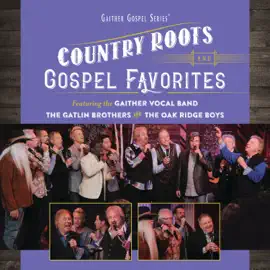
Gaither Vocal Band, The Oak Ridge Boys & The Gatlin Brothers
Apple Music subscribers: Sign in above to hear the full song.
“I’ll Fly Away” is another Southern Gospel staple that has been sung by generations of Christians, and for me, it has always been a joyful reminder of the hope we have in our eternal salvation. There’s something wonderfully uplifting about the way this song looks beyond this life and toward the day when we will finally be home with our Savior. I’ve always loved pairing it with “I Saw the Light”—in fact, whenever I’ve performed “I Saw the Light,” I’ve always followed it with “I’ll Fly Away.” It just seems like the perfect combination: first we see the light, and then we look forward to the day when we’ll fly away. Together, these two songs capture so much of what I love about Southern Gospel music: simple words, joyful music and a message of eternal hope.
🐟
“Family of God”
Gaither Worship & Maranatha! Music
Apple Music subscribers: Sign in above to hear the full song.
“Family of God” seems like the perfect song to bring these Southern Gospel lessons to a close. There is something wonderfully simple and beautiful about the idea that, through Jesus, we become part of a family that reaches far beyond the people we know or the places we call home. I love the warmth and joy in this song, because that is what I hope people will find when they come to FishWorship—not just great Christian music, but the love, hope and joy that come from knowing Jesus and being part of the Family of God. That is my hope and my prayer: that somewhere along the way, through a song or a story or simply something they discover here, someone will come to know the love of our Savior and experience the joy of being welcomed into His family.
There are certain Christian artists who have been part of my musical life for so long that it is hard to remember a time when I didn’t know their music. NewSong is one of those groups.
I first met the guys from NewSong at the very first AtlantaFest in 1987, which was held at what was then called Atlanta International Raceway. That first AtlantaFest, held June 17–20, 1987, was a pretty big deal in the Christian music world, and for me it became one of those events that I would remember for the rest of my life.
It wasn’t just because of the big-name artists who were there. My friends Sonny and Randy, who did the music at Metro Bible Study, were providing the fill-in music throughout the day between the major acts. So I got to see friends of mine involved in the festival while also meeting and hearing some of the Christian artists whose music I had been enjoying. NewSong was one of those groups, and it was also there that I met Carman for the first time.
Over the years, I ended up performing several NewSong songs myself. There were quite a few of their songs that I enjoyed playing, but my favorite has always been “Say Yes.” I performed that song a number of times, and it became more than just a song I liked listening to. It became a song that was part of my own musical life.
Apple Music subscribers: Sign in above to hear the full song.
And “Say Yes” eventually led to another interesting connection in my musical journey. A keyboardist friend of mine, who knew Mark Aramian, introduced me to him. Mark had produced the Say Yes album, and I ended up spending several sessions at his home studio working on keyboard music with him. I always thought that was pretty special. Here was a song I had come to love and perform, and that song ultimately led to me meeting and working with the very person who had produced the album it came from. Music has a funny way of connecting people who might otherwise never have crossed paths.
Then, several years later, I had another NewSong memory that has stayed with me. In the mid-1990s, I was on a singles retreat in Gulf Shores, Alabama, and Eddie Middleton was there doing the music. Eddie was one of the original members of NewSong, so seeing him there brought another personal connection to a group whose music had been part of my life for years. By then, NewSong was already woven into a number of my own musical memories, and this was yet another unexpected place where those paths crossed.
Eddie passed away in 2021, so that Gulf Shores memory means even more to me now. Sometimes we don’t realize how significant an encounter is when it happens. It is only years later, when we look back, that we realize we were sharing a moment with someone who had been an important part of our own musical memories.
And if you want to see the NewSong I remember from those early years, take a look at this 1987 performance of “Arise, My Love.” There is something special about seeing these guys as they looked and sounded back then. For me, it is like opening a little window back into that era of Christian music.
NewSong has continued on through the years, even as the faces and lineup have changed. Eddie Carswell and Billy Goodwin have remained important parts of the group’s history, and NewSong has continued recording, performing and ministering to audiences. The group is still active today, carrying that NewSong legacy forward for a new generation.
When I think about NewSong, though, I don’t just think about a band whose records I listened to. I think about meeting them at that very first AtlantaFest and seeing them many times during those years. I think about standing on stage myself and singing their songs, especially “Say Yes.” I think about Cheryl introducing me to Mark Aramian and the time I spent working with him at his home studio. And I think about unexpectedly running into Eddie Middleton years later on a singles retreat in Gulf Shores.
Some musical memories are really memories of songs. Others become memories of people. With NewSong, I got both.
Every Monday here at FishWorship, I take a little journey into the past. In Monday Memories, I dive into some of my most cherished memories connected to Christian music—songs, artists, concerts, churches, Bible studies, and the people who helped make those musical memories such an important part of my life. Some of these memories go back decades, but I’ve discovered that the music has a remarkable way of bringing those moments right back to life.
Today’s memory takes me back to Metro Bible Study in Atlanta. For me, Metro was far more than a weekly Bible study. It was a place where I grew spiritually, made lifelong friendships, discovered and experienced Christian music, and became part of a community of young believers who were trying to figure out what it meant to follow Jesus.
The history of Metro Bible Study actually goes back well before my own involvement. The ministry began with Charles “Dad” Ellis, who started a small interdenominational Bible study in his basement. As word spread, that little gathering outgrew the basement and moved to Griffin Middle School. By the late 1970s, hundreds of teenagers and young adults were gathering every Tuesday night. The music was an important part of the experience, with groups such as the Pat Terry Group providing contemporary Christian music. Eventually, Metro moved to First Baptist Church of Smyrna, where attendance grew to roughly 1,200 people.
One of the great teachers in those early years was Dan DeHaan. Dan had a tremendous gift for communicating the Gospel to young people, and Metro continued to grow under his leadership. Tragically, in the summer of 1982, Dan was killed when the airplane he was flying crashed near Paint Rock in North Alabama. When Dan went missing, Dad Ellis and several men from Metro Bible Study traveled from Atlanta to North Alabama and joined the search. They eventually found the crash site and Dan’s body. It is one of those heartbreaking chapters in Metro’s history that I think is important to remember, because it reminds me that Metro wasn’t simply an organization—it was a community of people who cared deeply about one another.
After Dan’s death, John Riley became the teacher of Metro Bible Study. It was during John’s years teaching Metro that I became involved. By then, Metro had become a huge gathering of young people, eventually moving to Mt. Paran Church of God as attendance continued to grow. Some accounts put the attendance under John’s leadership at around 1,500, while others who were involved in the music ministry remember the weekly attendance eventually reaching several thousand.
Mt. Paran North — a place that brings back so many Metro memories.
My involvement during the John Riley years became much more than simply showing up on Tuesday nights. I became an integral part of the Metro Bible Study leadership, and some of my closest friendships came from those years. I quickly became friends with Sonny and Randy, who were part of the music ministry, as well as Cheryl, one of our keyboard players. The music was such an important part of Metro, and being around those people gave me the opportunity to experience Christian music not merely as something I listened to, but as something I could participate in.
I also took responsibility for leading the official singles group at Metro. We called ourselves Metro Singles, and there was always something going on. On Tuesday nights after Bible study, I would organize activities for the group. Sometimes restaurants would actually invite us to come and host our group after the Bible study, which made those Tuesday nights continue long after the teaching and music were finished.
Our activities weren’t limited to Tuesday nights, either. I organized weekend activities for Metro Singles, including basketball and volleyball at the facilities of Mt. Paran during the colder months. When the weather warmed up, we moved outside for softball. Those activities became another important part of the Metro experience for me. We weren’t just people who met once a week—we were friends who spent time together, played together, ate together, laughed together, and encouraged one another in our faith.
And every now and then, I even had the opportunity to perform music myself at Metro Bible Study. Several of my friends did the same. That was another special part of Metro for me: music wasn’t something happening somewhere far away on a stage. It was something that many of us could participate in. We sang it, played it, shared it, and experienced it together.
Looking back now, I realize just how special those Tuesday nights were. Metro Bible Study brought together teaching, friendship, fellowship and some of the most memorable Christian music of that era. The songs became part of the soundtrack of my life, and decades later, hearing some of them can still take me right back to those Tuesday nights in Atlanta.
So for today’s Monday Memories, I want to share some of those songs with you. These are ten of the praise and Christian songs that help me remember what made Metro Bible Study such a special part of my life.
Michael W. Smith – “Great Is The Lord”
Apple Music subscribers: Sign in above to hear the full song.
“Great Is the Lord” is one of the songs I remember singing the most during my years at Metro Bible Study. There were so many songs that were part of the music at Metro, but some of them just seemed to become part of the fabric of our Tuesday nights, and this was definitely one of them. Whenever I hear it today, I can almost picture myself back there with all those people singing together.
What I remember most isn’t simply the song itself, but the way it sounded when a large group of young people sang it together. There was something powerful about being surrounded by hundreds of other college-age and young adults, all singing the same words and lifting our voices in praise. It wasn’t a concert where we were watching someone else worship—it was something we were all participating in together.
Looking back, “Great Is the Lord” is one of those songs that reminds me why the music at Metro was so important to me. The songs gave us a common language for our faith, and they helped create an atmosphere that made those Tuesday nights so memorable. Decades later, this is still one of the first songs that comes to mind when I think about singing at Metro Bible Study.
🐟
Terry Clark – “He Has Made Me Glad (I Will Enter His Gates)”
Apple Music subscribers: Sign in above to hear the full song.
I always loved it when Sonny would fire up the drum machine for the rhythm accompaniment as he and Randy led the music at Metro. And when the drums and that familiar intro to “He Has Made Me Glad (I Will Enter His Gates)” started, you could feel the excitement build. This was one of those songs that everybody seemed to know and love, and it was just plain fun to sing. You knew right away that we were in for an energetic few minutes of praise, and I can still remember how much I enjoyed those moments.
🐟
Maranatha! Music – “I Will Call Upon The Lord”
Apple Music subscribers: Sign in above to hear the full song.
“I Will Call Upon the Lord” was another one of those songs that was just so much fun to sing at Metro Bible Study. It had that energetic, almost infectious quality that made it hard not to get caught up in it when everyone around you was singing along. These were the kinds of songs that could get a room full of young people really engaged in the music, and I remember how much I enjoyed being part of it. Looking back, songs like this are a big part of what made the music at Metro so memorable for me.
🐟
Angel Smythe – “We Bring the Sacrifice of Praise”
Apple Music subscribers: Sign in above to hear the full song.
“We Bring the Sacrifice of Praise” was another one of those upbeat songs that was just a lot of fun to sing at Metro Bible Study. It had a great energy to it, and when we started singing it together, you couldn’t help but get caught up in the excitement. I remember how much fun we had with songs like this—there was a genuine joy in the room as we sang, and it was another great example of how the music at Metro could bring all of us together in praise.
🐟
Twila Paris – “We Will Glorify”
Apple Music subscribers: Sign in above to hear the full song.
“We Will Glorify” is another song that takes me right back to my years at Metro Bible Study. Twila Paris wrote several of the songs that we experienced regularly at Metro, and her music became an important part of the Christian music landscape during those years. There was something especially meaningful about hearing these songs sung by a large group of young people week after week, as they became familiar parts of our worship together.
For this one, I’ve chosen to present Twila Paris’s own recording of “We Will Glorify” rather than a version performed by a praise team. I think there’s something special about hearing the songwriter sing her own song, and Twila’s recording gives us a chance to hear the song in the way she originally envisioned it. For me, though, the words will always carry me back to those Tuesday nights at Metro and the many times we sang them together.
🐟
Maranatha! Praise Band – “He Is Exalted”
Apple Music subscribers: Sign in above to hear the full song.
“He Is Exalted” was another very popular praise song that we sang many times on those Tuesday nights at Metro Bible Study. By that point, songs like this had become so familiar to us that the opening notes could immediately bring everyone into the music. I remember the sense of unity we had as we sang these songs together week after week. Looking back, “He Is Exalted” is another one of those songs that is forever connected in my mind with the music, fellowship, and worship that made Metro such a special part of my life.
🐟
Maranatha! Music – “In Moments Like These”
Apple Music subscribers: Sign in above to hear the full song.
“In Moments Like These” was one of those songs that could completely change the atmosphere at Metro Bible Study. As we sang it, I remember seeing the crowd gently swaying back and forth, with many of us raising our hands toward Heaven and simply embracing the moment. The energy and excitement of the upbeat praise songs would give way to something much quieter and more reflective.
It was during moments like these that we often felt the Holy Spirit moving most strongly among us. There was no need for a lot of activity or excitement. We could simply stand together, sing, worship, and focus our hearts on the Lord. Those quiet moments of worship are some of my most cherished memories of Metro Bible Study, and “In Moments Like These” will always be connected to them in my mind.
🐟
Maranatha! Music – “Father, I Adore You”
Apple Music subscribers: Sign in above to hear the full song.
“Father, I Adore You” was another beautiful, worshipful song that became part of those special quiet moments at Metro Bible Study. It was the kind of song that encouraged all of us to sing along, close our eyes, and simply take in the warmth of the Holy Spirit’s presence. There was something very intimate about standing together in a large crowd and yet feeling as though, for those few moments, we were each having our own personal time of worship with the Lord.
Those are the moments I remember so fondly. The room would become quiet and reflective, and we could put aside everything else for a little while and just focus our hearts on God. Songs like “Father, I Adore You” helped make those moments some of the most meaningful and memorable parts of my Metro Bible Study experience.
🐟
Maranatha! Vocal Band – “Jesus Name Above All Names”
Apple Music subscribers: Sign in above to hear the full song.
“Jesus Name Above All Names” was another worshipful song that invited us to move beyond simply singing and into a time of prayer and reflection. I remember how many of us would raise our hands, close our eyes, and just let ourselves be fully immersed in the moment. There was something very peaceful about standing there with so many other people worshiping together.
Those moments seemed to invite us to slow down and focus completely on Jesus. We weren’t concerned about what was happening around us; we were simply worshiping. I remember feeling the warmth of the Holy Spirit washing over us as we sang, and those quiet times remain among my most cherished memories of Metro Bible Study.
🐟
Maranatha! Music – “I Love You Lord”
Apple Music subscribers: Sign in above to hear the full song.
I have chosen “I Love You Lord” as the final song in this collection, not because it is the least important, but because it is, in many ways, the most important. Our love for Jesus is what drives us, fills us, guides us, and frees us. It is through Him that we find salvation, hope, and the promise of a life transformed by His love.
I remember this song being sung on many occasions at Metro Bible Study, and it always seemed to draw us a little closer to God. As we sang those simple words, we were reminded of why we were there in the first place. We weren’t simply gathering together to hear a Bible study or to sing some good Christian music. We were there because we loved Jesus and wanted to know Him more deeply.
For me, “I Love You Lord” represents so much of what made those Tuesday nights special. It brings back memories of a room full of young people worshiping together, drawing closer to God, closer to His love, and closer to His message for our lives. And after all these years, that is still what I hear when I hear this song: a simple declaration of love for Jesus that never grows old.
Monday Memories gives me a chance to look back at the music and moments that have been part of my journey. Today’s Monday Memories is especially meaningful as I revisit the song I played for my very first public performance—a song that takes me all the way back to where my musical journey began.
I started playing piano as a young child. By the age of 4, my parents had me taking piano lessons, and my very first “public performance” came when I was just 4½ years old. I was in Children’s Church when I walked over to the piano and started playing “This Little Light of Mine.” It wasn’t fancy, but it was well received, and I knew from that moment that I was on to something special.
(AI-created recapture of the moment)
This song—and its glorious meaning—has stayed with me throughout the years. It has always been a part of me, and I have always tried to do anything and everything I could to let my light shine. It was with me through high school and college, as I played piano and keyboards and performed music in church and Christian settings whenever I could. It was with me as I served in church staff positions as Worship Leader, Music Minister, and Music/Youth Pastor. It was even with me during my “heathen years,” when I was engineering Top 40 cover bands and programming and sequencing music for party and dance bands. And it remains with me today. So, for this Monday Memories, I want to take a look back at some of the more notable performances of this timeless song: “This Little Light of Mine.”
Caleb & Kelsey – “This Little Light of Mine”
Caleb & Kelsey bring a beautiful and deeply personal feel to “This Little Light of Mine.” Sitting together in an intimate setting, they strip the song down to its heart, allowing their voices and the simple message to take center stage. There’s something especially powerful about hearing this familiar childhood song performed with such sincerity and warmth. Their performance is a wonderful reminder that the message of letting our light shine never really grows old—it simply takes on new meaning as we grow older.
Apple Music subscribers: Sign in above to hear the full song.
🐟
One Night in Dublin
The next performance takes “This Little Light of Mine” in a completely different direction. This is Bruce Springsteen and the Sessions Band performing the song live at The Pointe Theater in Dublin, Ireland. Bruce is certainly not who most people would expect to find performing a song that has its roots so deeply embedded in Christian faith, but that is precisely part of what makes this performance so fascinating to me. I have spent much of my life around music in all kinds of settings, and I don’t believe a song’s significance is diminished simply because it crosses musical or cultural boundaries. In fact, sometimes hearing a familiar song in an unexpected setting can make its message stand out even more clearly.
And make no mistake—this is the most electrifying performance of “This Little Light of Mine” that I have ever seen. The energy is absolutely incredible, and the audience is swept up in it from beginning to end. But beyond the music itself, I take great joy in something else: if only for a brief moment on a Sunday night at The Pointe Theater in Dublin, Ireland, the full attention of that room was turned toward a song that exists purely to honor God. Whatever else was happening that night, whatever brought those people through the doors, for those few minutes they were singing along with a song whose simple message has been shining for generations. And I find something genuinely beautiful about that.
Apple Music subscribers: Sign in above to hear the full song.
🐟
AI-Created 90s Rock Ballad
And now, just for fun, I wanted to imagine what “This Little Light of Mine” might have sounded like as a ’90s rock ballad. This AI-created version takes the familiar song and gives it a completely different musical identity, with soaring guitars, big drums, and the kind of emotional intensity that defined many of the great rock ballads of that era. It may be a long way from the little boy sitting at a piano in Children’s Church, but the message remains exactly the same: this little light is still meant to shine.
🐟
What about a TikTok Dance?
What if you made a TikTok dance out of “This Little Light of Mine”? Well, folks, this is about as close as you can get! Steve Fee took the basic idea of the classic song and turned it into a brand-new song called “This Little Light,” complete with an energetic, contemporary sound and choreography that feels tailor-made for the TikTok generation. It may not be the traditional version I grew up with, but the spirit of the original is unmistakable – and watching this, I can’t help but think that my four-year-old self would have loved it!
🐟
Thanks for taking this walk down memory lane with me and spending a little time with one of the most important songs of my life. From a four-year-old boy sitting down at a piano in Children’s Church to the many places, people, performances, and seasons of life that followed, “This Little Light of Mine” has been there through it all. After all these years, its message remains as simple—and as powerful—as ever: let your light shine!
Monday Memories is our chance each week to look back at a song, artist, album, or moment in Christian music history that still has something to say to us today. Sometimes a great song is simply a great memory; other times, its message suddenly feels remarkably relevant to where we are right now. For the first edition of Monday Memories, we’re looking back at two songs whose messages seem almost tailor-made for the adventure FishWorship is beginning.
“The Great Adventure” by Steven Curtis Chapman is a particularly fitting place to start. Released in 1992, the song is an exuberant invitation to step beyond the familiar and follow God into whatever comes next. Its sense of anticipation, movement, and willingness to embrace the unknown makes it feel almost like a musical mission statement for anyone beginning something new with a sense of purpose.
That’s certainly how we hear it at FishWorship. Building a Christian music website from the ground up is, in its own way, an adventure. We don’t know exactly where this project will take us, how many people will discover it, which artists and songs will become part of its story, or what opportunities may appear along the way. But that’s part of the fun. The goal isn’t to have every mile of the road mapped out before we begin; it’s to start moving, keep our eyes on the destination, and be willing to see what God does with the journey.
For the FishWorship founder, “The Great Adventure” is more than a nostalgic favorite from another era of Christian music. It is a reminder to approach this project with enthusiasm rather than hesitation—to build, explore, discover, and keep going even when the road takes an unexpected turn. FishWorship may be a website, but the hope behind it is much bigger: to create a place where people can discover Christian music, rediscover old favorites, encounter artists they haven’t heard before, and perhaps find a song that means something completely new to them.
So as we begin this particular adventure, we’ll gladly borrow a little inspiration from Steven Curtis Chapman. We may not know exactly where the road leads, but that’s no reason not to take the next step. The adventure is the point.
The Great Adventure – Steven Curtis Chapman
🐟
Shake Heaven – Montel Jordan & Beckah Shae
“Shake Heaven” is a particularly fitting song for the first Monday Memories because its story is almost as unexpected as the sound of the song itself. Montell Jordan had already established a major career in mainstream R&B before making a dramatic turn toward Christian ministry, eventually serving as a worship pastor at Victory World Church and helping lead the church’s Victory World Music project. Beckah Shae, meanwhile, had been developing her own distinctive blend of pop, R&B, and worship, bringing an energetic, genre-crossing sound to Christian music. Their paths came together on the title track of Shake Heaven, released by Victory World Music in 2011.
The collaboration makes even more sense when you know the story behind it. Jordan had come to the conviction that he was being called away from his mainstream music career and into full-time ministry. He wanted to take the musical skills and energy that had once been used to make people dance and celebrate and redirect them toward the worship of God. His meeting with Beckah and her husband, producer Jack Shocklee, helped shape that new direction, and “Shake Heaven” became the kind of energetic Christian anthem Jordan had envisioned—music that could cross generations and cultures without sounding like it had to apologize for being contemporary.
That’s a big part of why this song speaks to us at FishWorship. “Shake Heaven” is ultimately about making some noise, gathering people together, and using music to get God’s attention and give Him glory. That sounds like a pretty good mission statement for a Christian music website, too. FishWorship isn’t trying merely to catalog songs—we want to create something energetic enough to make people stop, look, listen, discover, remember, and perhaps find themselves wanting to share the music with someone else.
And there’s something especially appropriate about beginning our Monday Memories journey with a song born from a musical career changing direction and a new ministry taking shape. Montell Jordan and Beckah Shae weren’t simply making another record; they were taking the gifts and experiences they already possessed and asking how those gifts could be used for something bigger. That’s an idea we can certainly get behind as we build FishWorship. We’re on our own little musical mission, and we’re hoping that the songs, stories, artists, and discoveries collected here will make a joyful noise of their own.
Monday Memories takes a look back at the music and musicians who have left a lasting mark on our lives.
🐟
Monday Memories is our opportunity to look back at the music, musicians, and moments of the past and share how they shaped our walk with Christ.
🔍Notable Memories
A few of our Monday Memories posts are particularly notable, in our opinion, and we’ve highlighted them below for you to explore.
Monday Memories – August 17, 2026 On August 17, we shared two songs that beautifully capture the heart of our mission: “The Great Adventure” and “Shake Heaven.”
🐟
Monday Memories – September 28, 2026 Our FishWorship founder takes us back through his own musical journey, from playing piano and performing live to recording music that reached around the world and ultimately led to ongoing opportunities to play live with Grammy-winning artists.
🐟
Below you’ll find our growing collection of Monday Memories, with each selection linked to its full FishWorship feature. Take a look through the list, revisit an old favorite, or discover a song you may have missed. You never know what musical memory might be waiting for you.
Monday Memories
Monday Memories – October 19, 2026 This week on Monday Memories, we’re revisiting MercyMe’s timeless classic “I Can Only Imagine,” one of the most beloved songs in contemporary Christian music. Discover the moving story behind its creation, enjoy a live performance from Hawaii, and explore the inspiring true story that became a hit motion picture. More than two decades later, this powerful song continues to remind us of the hope, grace, and wonder of one day standing in the presence of God.
🐟
Monday Memories – October 12, 2026 This week on Monday Memories, we’re revisiting DeGarmo & Key, the pioneering Christian rock duo of Eddie DeGarmo and Dana Key who helped break barriers for Christian music in the 1980s. From hard-hitting songs like “Six, Six, Six,” “Casual Christian,” and “Boycott Hell” to their lasting influence on the artists who followed, discover how these two musicians combined an unmistakable rock sound with an uncompromising message of faith. We’ll also explore what happened after the band retired and how their impact on Christian music continued long after their final performances. 🎸✝️
🐟
Monday Memories – October 5, 2026 In this Monday Memories feature, we remember Carman—a Christian music pioneer whose bold performances, creativity, humor, and unmistakable passion for Jesus reached millions of people. Through a selection of memorable songs and live performances, we look back at the many sides of Carman’s ministry and the message he never stopped sharing: that Jesus can change lives and that revival is always worth believing in.
🐟
Monday Memories – September 28, 2026 This week’s Monday Memories takes us on a very personal musical journey — from a four-year-old playing This Little Light of Mine in Children’s Church to years of playing hymns, discovering contemporary Christian music, programming and sequencing keyboards, and eventually performing on stages around the world. It’s a story that surprisingly few people know, and one that I’ve been looking forward to sharing.
🐟
Monday Memories – September 21, 2026 Explore Southern Gospel lessons through classic songs performed by Gaither, Greater Vision, and others—songs about faith, salvation, Heaven, and God’s love.
🐟
Monday Memories – September 14, 2026 Remembering the day I first met NewSong—and the unexpected journey that followed. What began with meeting the band at AtlantaFest turned into much more than a memorable encounter, eventually leading to friendships, keyboard sessions in the studio, and much more. It’s a story I never could have imagined when I first walked up and introduced myself to the band.
🐟
Monday Memories – September 7, 2026 Our FishWorship founder looks back on his years as part of Metro Bible Study in Atlanta, remembering the friendships, fellowship, leadership, and especially the Christian music that made those Tuesday nights so meaningful. From the years when John Riley taught the weekly Bible study to his leadership of Metro Singles and his friendships with members of the music team, these memories offer a personal glimpse into a remarkable chapter of his life—and the praise songs that helped make Metro so special.
🐟
Monday Memories – August 31, 2026 “This Little Light of Mine” is more than just a familiar childhood song to me—it is a song that has been woven into my life for as long as I can remember. From the very first time I sat down at a piano in Children’s Church at the age of 4½, through my years of playing music in churches and Christian settings, serving in ministry, performing with bands, and eventually finding my way through many different seasons of life, its simple message has remained with me: let your light shine. For this Monday Memories, I take a look back at some of the memorable ways this timeless song has been performed and reflect on why its message still means so much to me today.
🐟
Monday Memories – August 24, 2026 Today’s recollection takes us back to one of those performances that still makes me smile—Mark Lowry singing “Don’t Rain on My Parade.” I’ve always enjoyed the way Mark could bring his own personality, humor, and unmistakable energy to a song, and this performance is a wonderful example of that. While “Don’t Rain on My Parade” may not be the song most people would immediately associate with Christian music, Mark makes it feel right at home in his repertoire. For me, moments like this are part of what makes looking back at the music I’ve loved over the years so much fun—and a reminder of why the people and music in the Christian music community have meant so much to me.
🐟
Monday Memories – August 17, 2026 Today’s recollection brought together two very different songs with a surprisingly similar message: Steven Curtis Chapman’s “The Great Adventure” and Montell Jordan and Beckah Shae’s “Shake Heaven.” Both songs have the kind of uplifting, forward-looking spirit that could almost be turned into a motivational poster and hung on the wall here at FishWorship. One reminds us to step boldly into the adventure God has placed before us, while the other encourages us to believe that our faith and our actions can make a difference. Different eras, different sounds, and very different artists—but both are great reminders that Christian music can do more than entertain us; sometimes, it can inspire us to get up, get moving, and make a difference.